If your feet feel sore or develop hot spots before you reach the halfway point, your socks may be part of the problem. Choosing the best hiking socks to prevent blisters becomes especially important on long hikes, where hours of movement inside stiff boots can turn minor friction into painful irritation. The right combination of fabric, cushioning, and fit can help prevent these problems before they start.
Why Hiking Boots Cause Blisters on Long Hikes
Before choosing a pair, it helps to understand what happens inside your boots during a long hike. Once you know what causes blisters, it becomes easier to see which sock features can help prevent them.
Friction and Moisture Are the Real Triggers
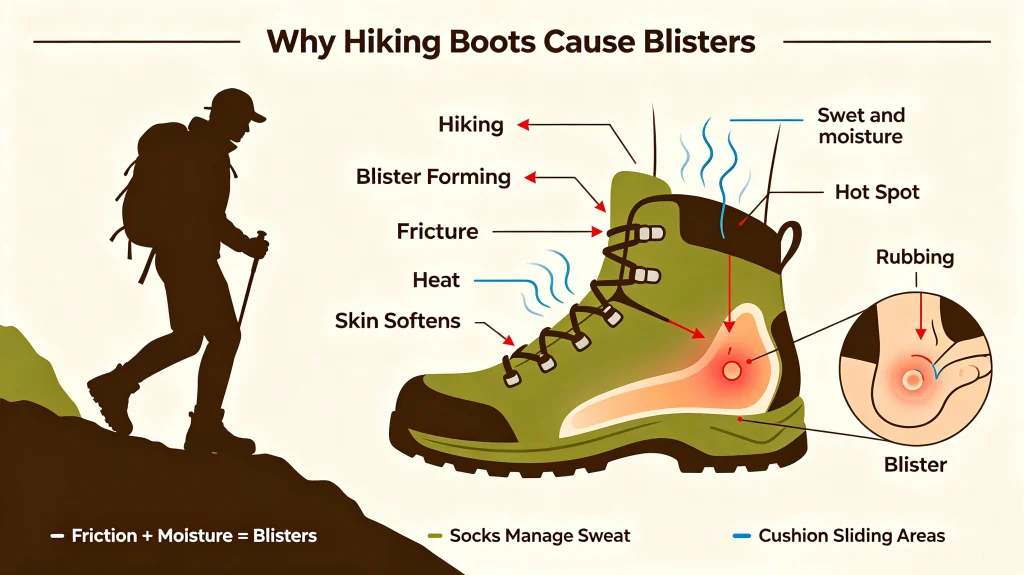
A blister forms when repeated rubbing causes the layers of skin to separate. As sweat builds up inside the boot, heat and moisture soften the skin, making it more vulnerable to friction and damage with every step. Stiff hiking boots can make this worse by limiting airflow and trapping heat and moisture. This type of injury is known as a friction blister, and it is a common result of prolonged friction on the trail.
The Right Hiking Socks Change the Outcome
Effective hiking socks need to manage both moisture and friction. Moisture-wicking fibers help keep skin drier, while cushioning protects areas where the foot moves inside the boot. This combination can help reduce hot spots, even when wearing the same boots.
Best Fabrics for Blister-Prevention Hiking Socks
Fabric plays an important role in blister prevention, especially in how well a sock manages sweat during a full day on the trail. Here’s how the main options compare.
Merino Wool Hiking Socks for Moisture Control
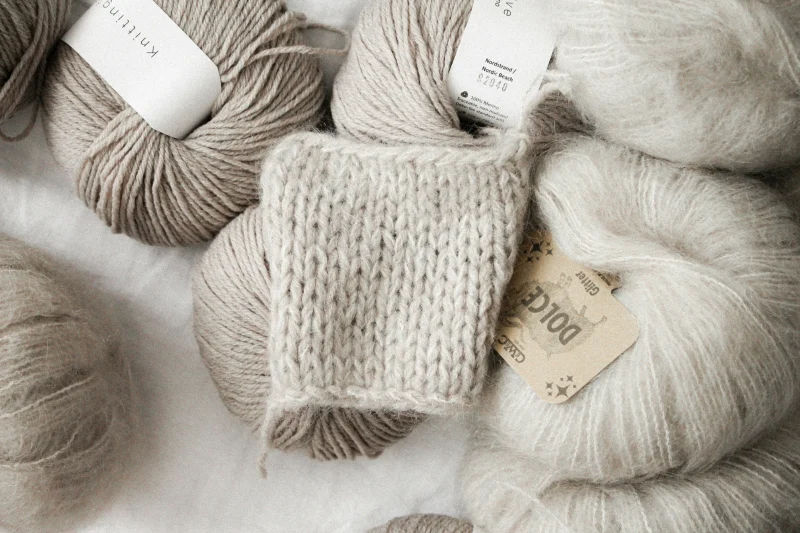
Merino wool naturally manages moisture while staying breathable, helping keep feet comfortable over long distances. It also resists odor, making it a practical choice for multi-day treks. For blister prevention, its performance can vary by climate and sock construction, so it’s worth comparing merino wool with synthetic fibers before choosing a pair.
Alpaca Wool Compression Socks for Cushioning and Warmth
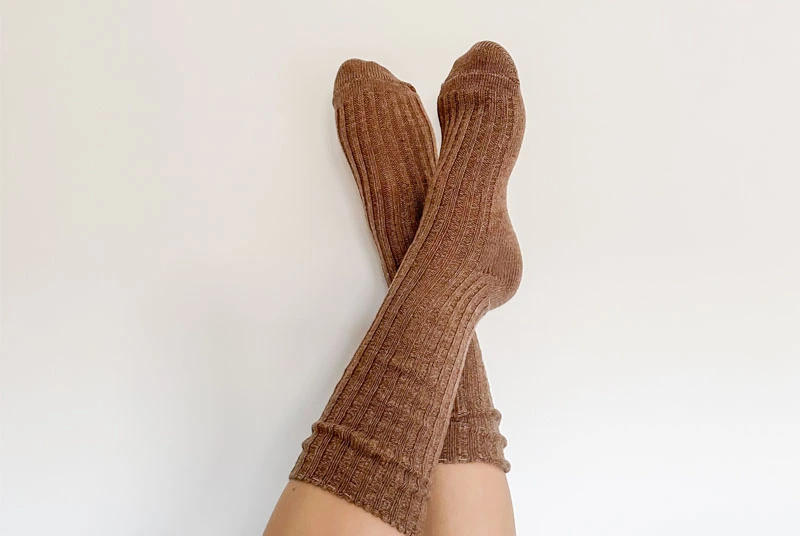
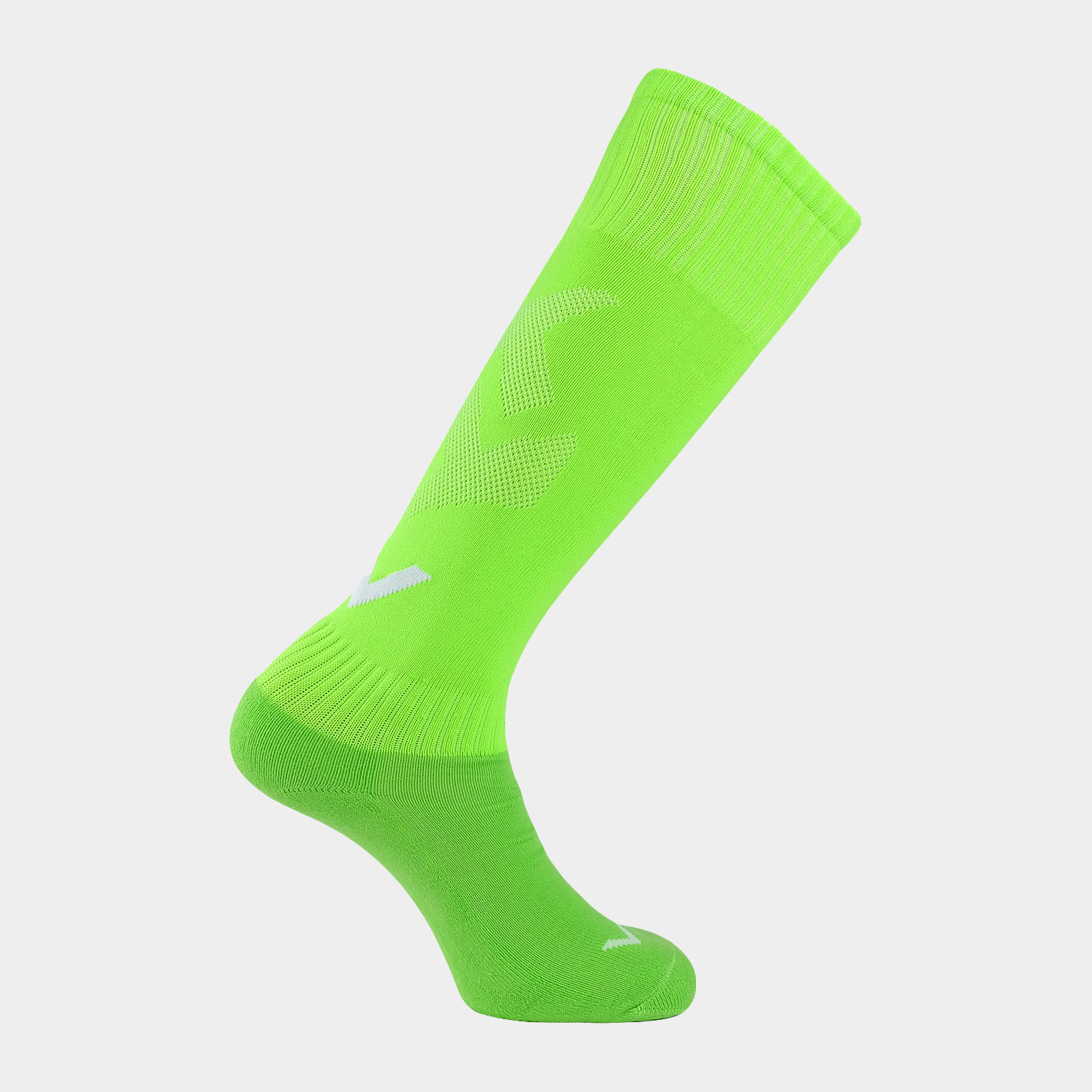
Alpaca fiber is less well known but worth considering. Alpaca wool compression socks combine soft, hollow-core fibers with graduated compression to provide warmth and cushioning without the bulk of thicker wool blends. The compression may also help improve comfort during long descents, while alpaca fiber retains warmth even when damp. This makes alpaca compression socks particularly suited to cold-weather hikes and multi-day trips.
Coolmax and Synthetic Blends for Fast Drying
For hot-weather hikes, synthetic blends dry faster than many natural fibers, which is especially useful when crossing streams or hiking in humid conditions. They provide less insulation, but they’re a solid choice when quick drying matters more than warmth.
Sock Styles That Cut Down Rubbing Inside Boots
Fabric solves the moisture half of the equation; construction solves the friction half. The style of sock you choose changes how much your foot actually moves inside the boot:
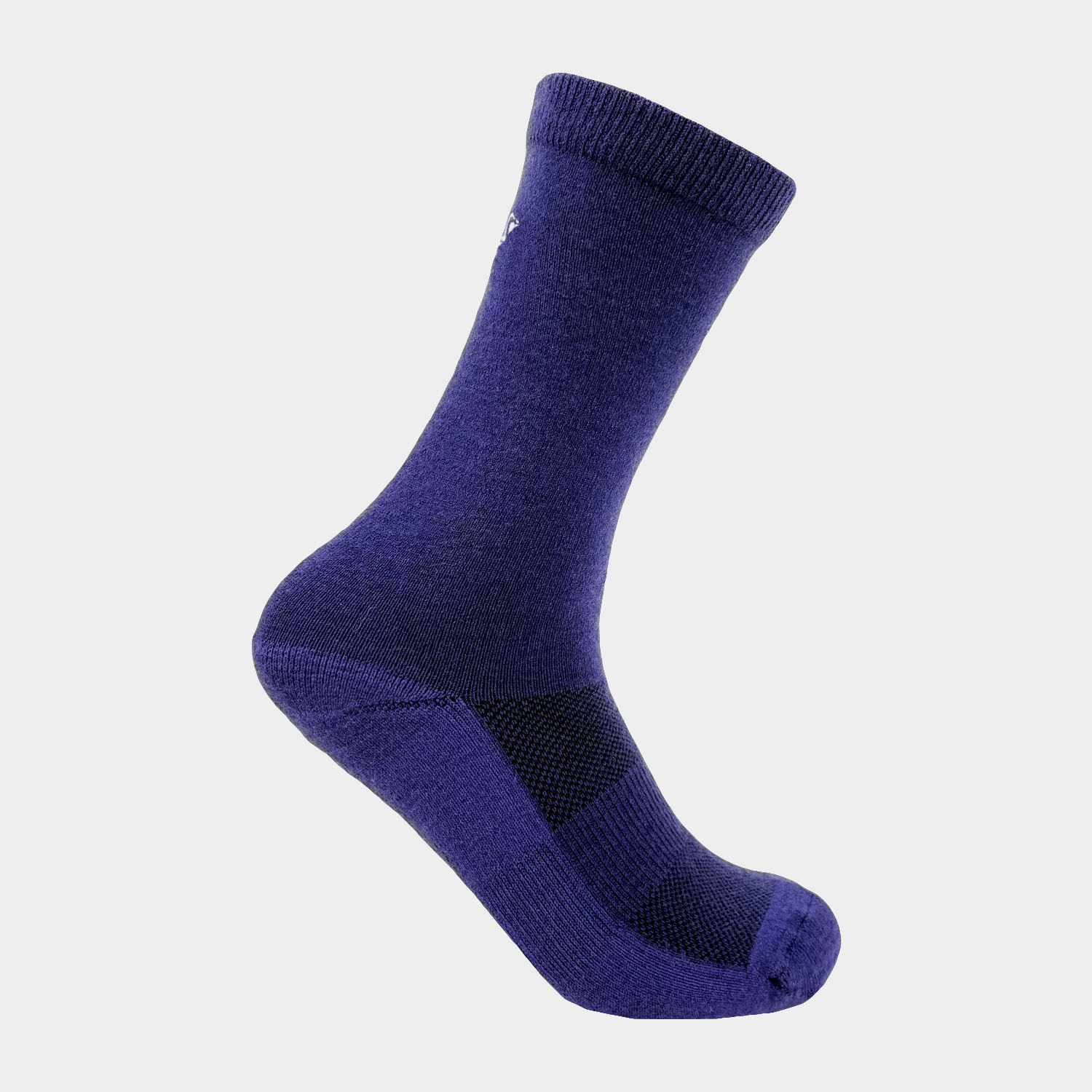
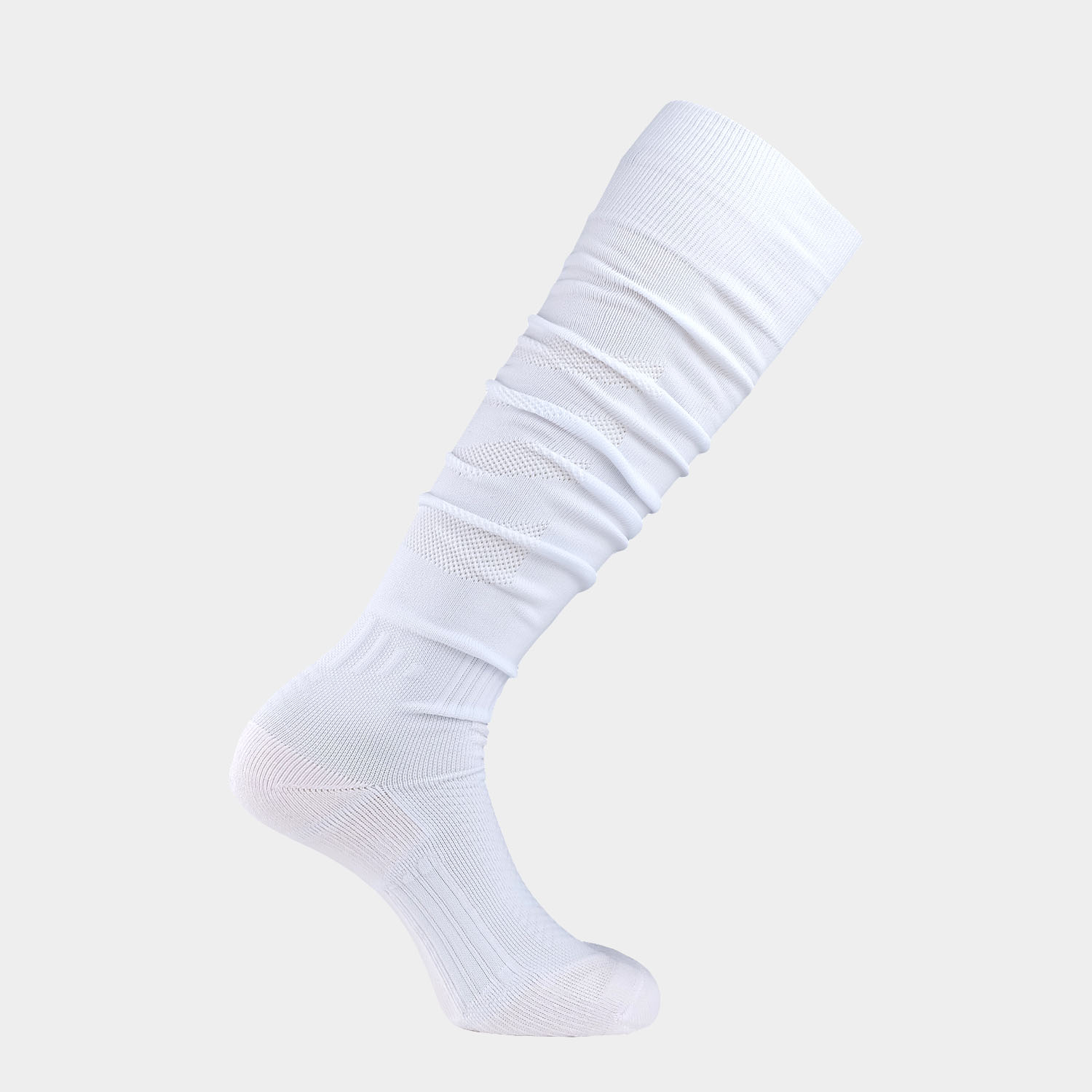
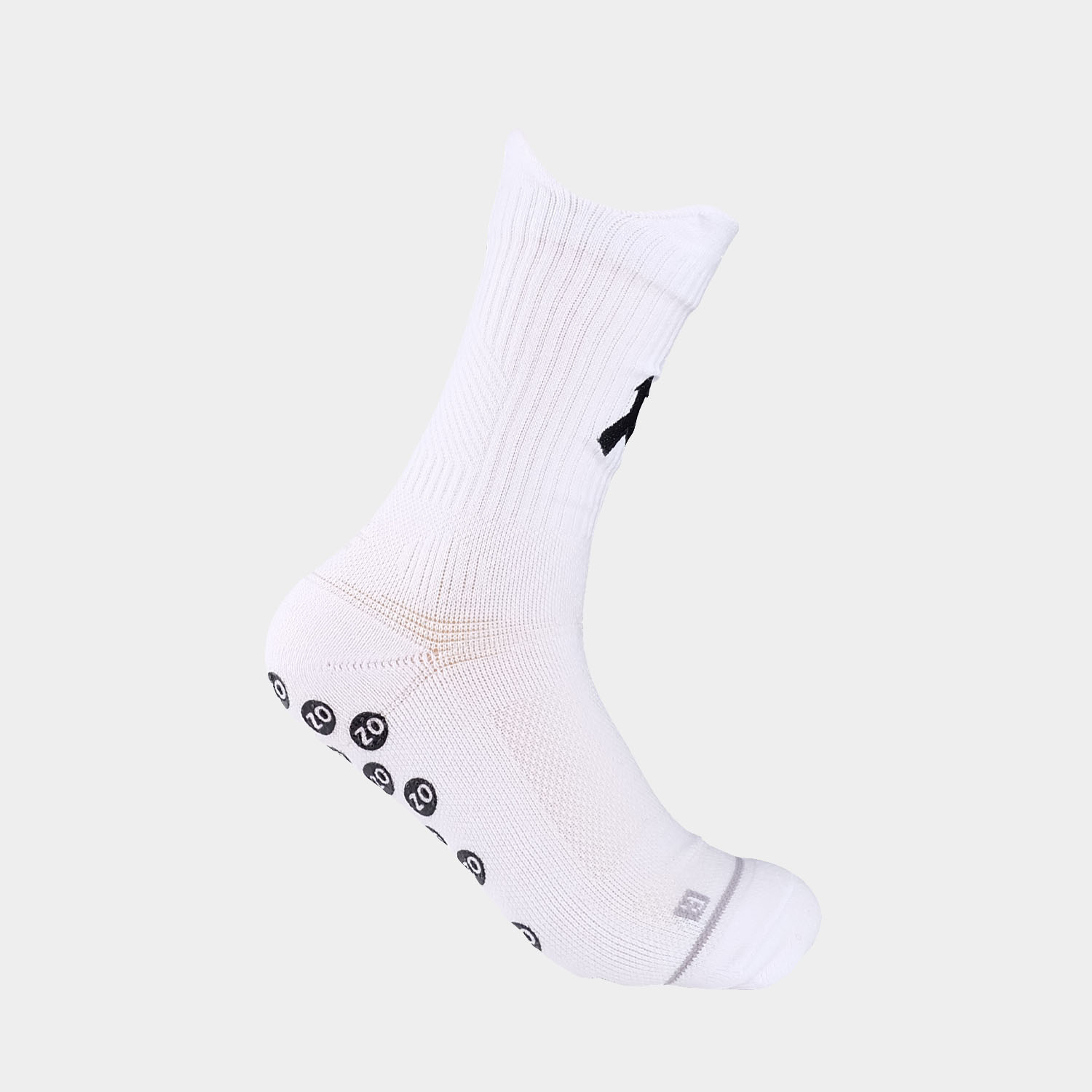
- Cushioned Crew and Boot Socks: Taller socks with targeted cushioning at the heel and ball of the foot help absorb impact and reduce rubbing inside hiking boots. The higher shaft works well with mid- or high-cut boots, while heavyweight Merino crew socks offer extra padding for cold-weather hiking.
- Liner and Double-Layer Sock Systems: Wearing a thin liner under a thicker hiking sock allows the layers to move against each other, helping reduce friction against the skin. This setup is especially useful for multi-day backpacking trips where blister prevention is a priority.
- Toe Socks to Stop Skin-on-Skin Friction: Individual toe sleeves separate the toes and help reduce skin-on-skin rubbing, which can contribute to blisters during long descents. This style may be especially useful for hikers who experience friction between their toes.
Choosing the Right Weight and Fit for Your Trail
Even the best fabric and construction won’t help if the weight or fit is wrong for your trip. These two factors decide how the sock performs once you’re actually moving.
Match Sock Weight to Season and Terrain
Lightweight socks suit warm-weather day hikes where breathability matters most, while midweight and heavyweight options add cushioning for rocky terrain or cold conditions. Checking a hiking sock collection organized by activity makes it easier to match weight to the specific trail you’re planning.
Get the Fit Right to Stop Bunching
Fit matters just as much as the sock’s material. Loose socks can bunch up and create pressure points, while overly tight ones may restrict circulation and trap heat. Always choose hiking socks based on your actual foot measurement rather than your shoe size, and try them on with the boots you’ll wear on the trail.
Extra Habits That Keep Feet Blister-Free
- Change Wet Socks: Replace socks if they become soaked through, as wet fabric can increase friction and discomfort.
- Trim Toenails: Keep toenails trimmed before a hike to prevent extra pressure and rubbing inside the toe box.
- Break In New Boots: Wear new hiking boots on shorter walks before taking them on a full-day trek. This helps identify fit or pressure issues early.
- Apply the Same Principles to Running: Runners face similar blister risks on pavement. Moisture management, friction control, proper construction, and a secure fit are just as important for long-distance running.
FAQ
Q1. Do compression socks help prevent blisters on long hikes?
Yes. Graduated compression reduces foot swelling and shifting inside the boot, which lowers friction. Alpaca wool compression socks in particular add cushioning on top of that support, making them a solid pick for descents where swelling is common.
Q2. Are alpaca compression socks worth it for hiking?
For cold-weather or multi-day trips, most hikers find alpaca compression socks are worth it because the fiber stays warm even when slightly damp and resists odor over several days of wear.
Q3. How often should I change hiking socks on a multi-day trek?
Change socks as soon as they feel damp, and always carry at least one dry backup pair per day. Rotating socks lets each pair fully dry, which protects both the fabric and your skin.
Q4. Can the wrong sock size cause blisters even with good material?
Yes. A sock that’s too loose or too tight undoes the benefit of good fabric, since bunching or restricted circulation both increase friction and heat buildup inside the boot.
Conclusion
Preventing blisters on long hikes comes down to three choices: a moisture-managing fabric like merino or alpaca wool, a construction that reduces friction where you actually feel it, and a fit that matches your foot and your boots. Get those three right, and stiff hiking boots stop being the enemy.