Ever struggled with slipping feet, unstable movements, or losing grip during a Pilates class? What are Pilates socks, and why do so many instructors recommend them? This guide explains how they work, their key features, and why they can make Pilates sessions safer and more comfortable.
What Are Pilates Socks
Before looking at their features, it helps to understand what makes Pilates socks different from regular socks and why they are designed specifically for studio movement.
A Non Slip Sock for Studio Movement
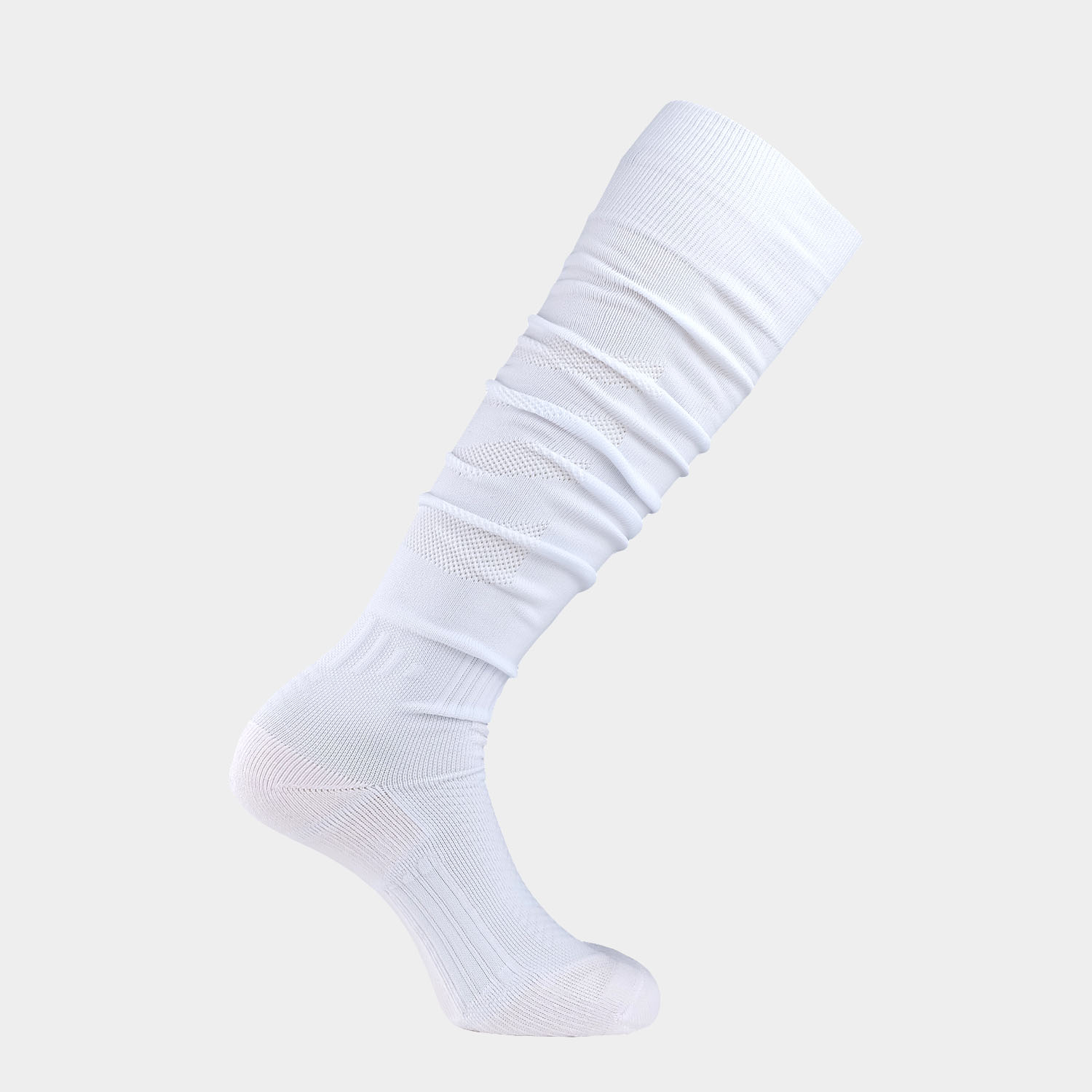
A Pilates sock is a close-fitting sock designed with grip features on the sole. Bare feet may slip on sweaty surfaces, while regular cotton socks can slide easily across smooth floors, reformer carriages, and other studio equipment. The added grip helps create a more stable and hygienic base, allowing for better control during movement.
Why Grip Socks Became Popular
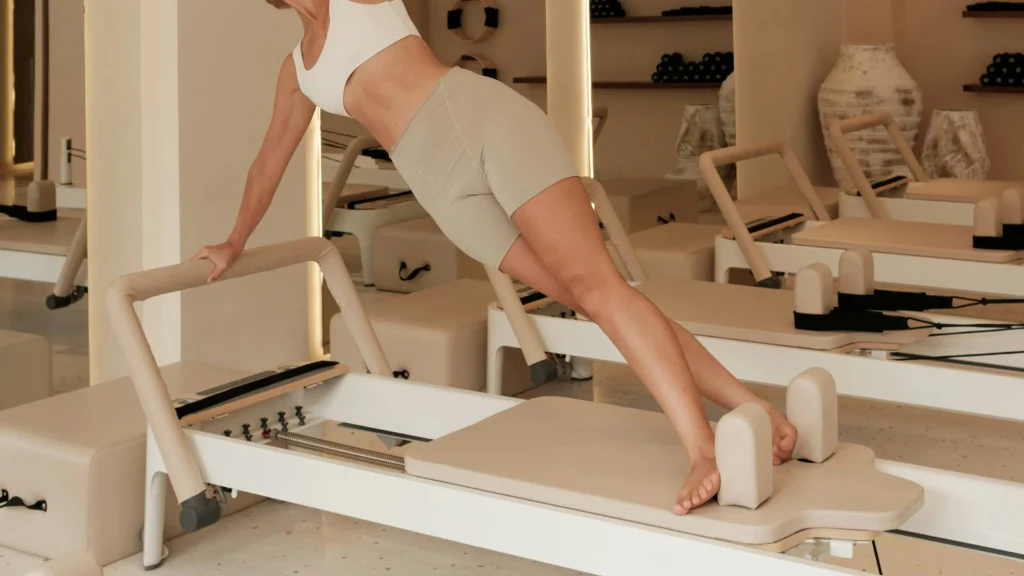
Reformer-based Pilates training relies on constant, precise foot contact with a moving footbar and sliding carriage, which is a very different demand than static yoga poses. As reformer studios grew more popular over the past decade, grip socks shifted from a niche hygiene item into standard studio gear, and many facilities now sell or require them at the front desk.
Key Features of Pilates Socks
Understanding the main challenge makes the design features easier to appreciate. Each element is created to improve stability, comfort, or hygiene during a Pilates session.
Non Slip Grip Patterns
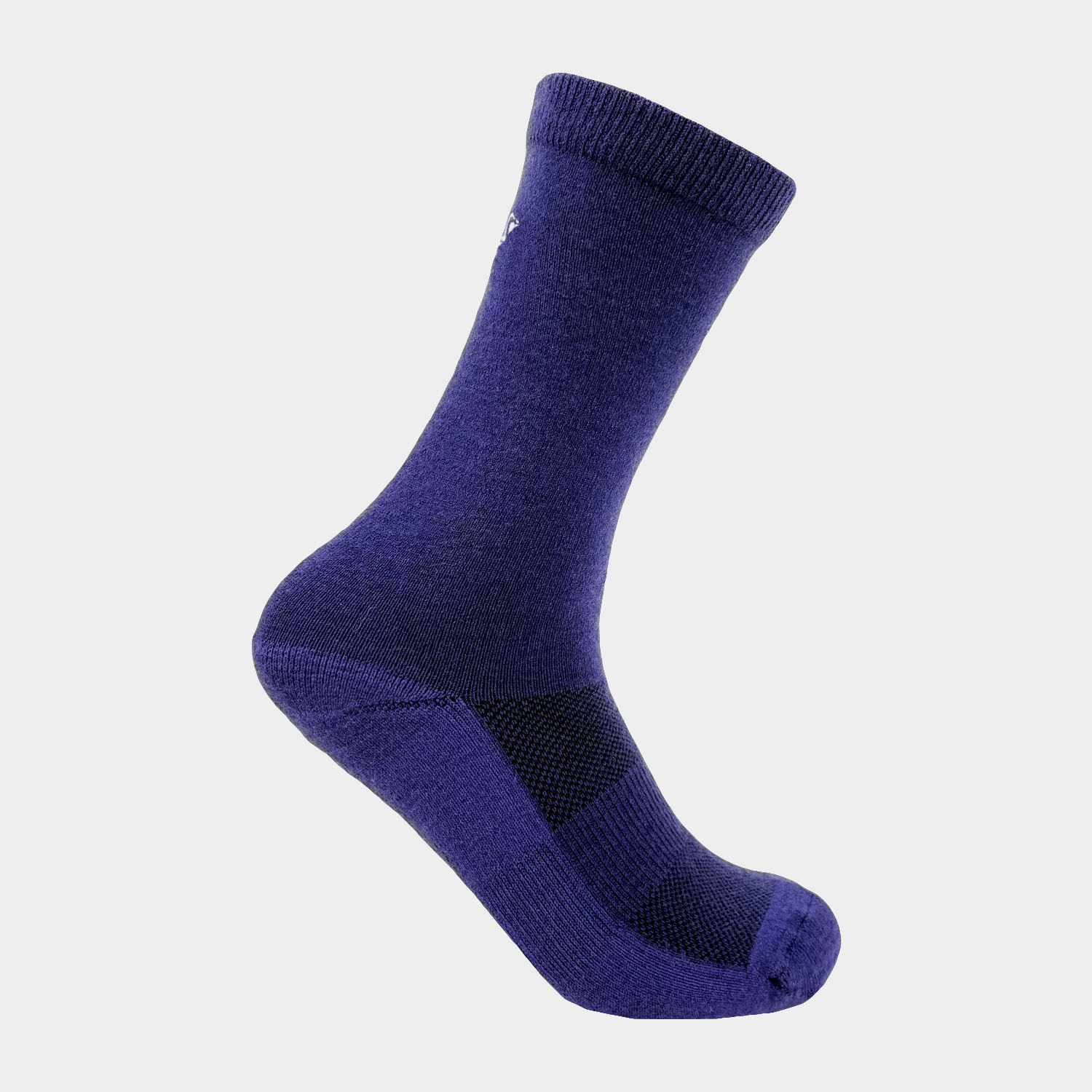
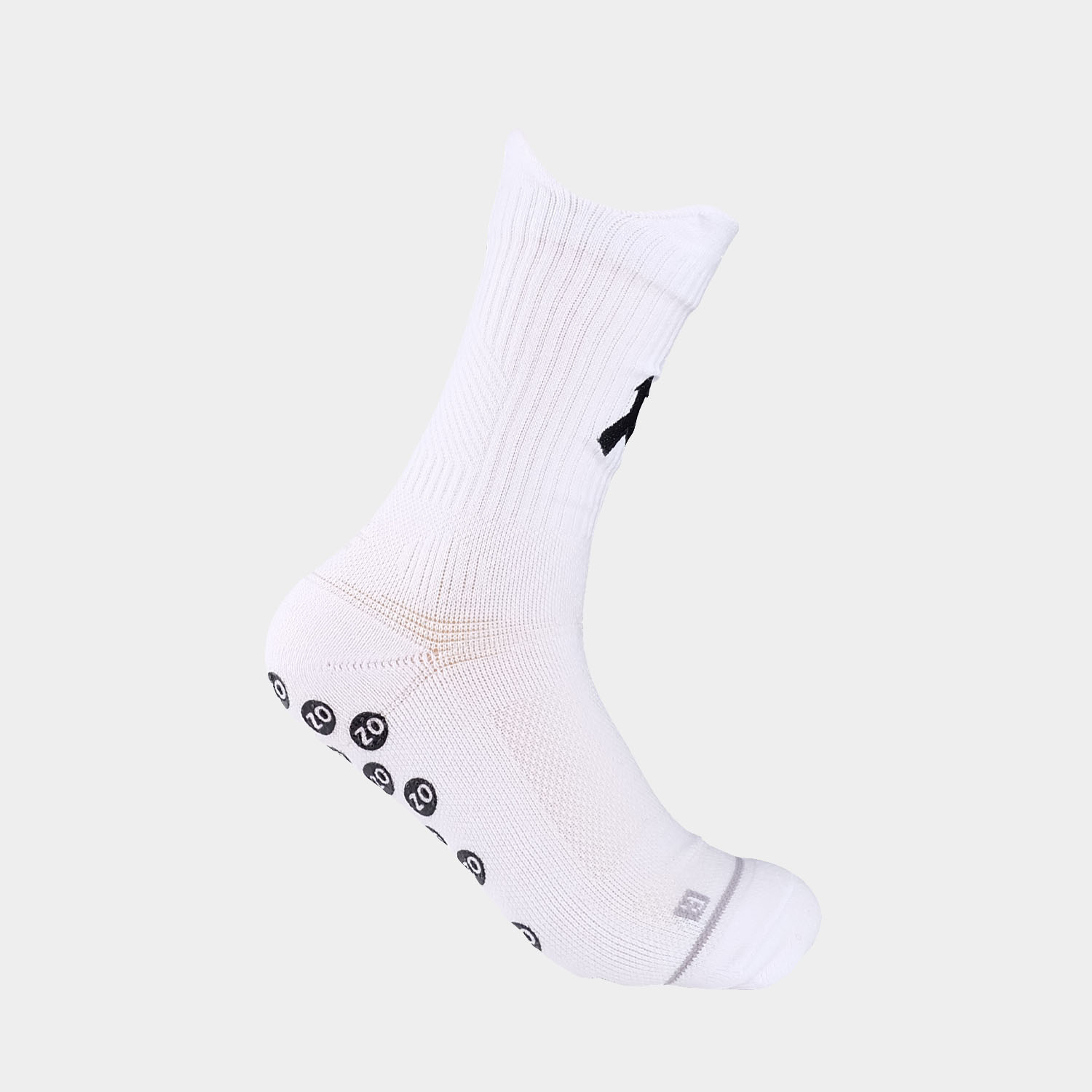
The main feature of Pilates socks is the silicone or rubber grip added to the sole. It may appear as small dots, strips, or full-sole coverage. The placement of these grips also matters, with extra coverage under the heel, ball of the foot, and toes to support stability during movements like lunges, planks, and footwork.
Arch Bands and a Snug Fit
An elastic band around the midfoot helps keep the sock secure, preventing it from twisting or bunching during quick transitions between positions. A proper fit is essential because loose fabric can move under the foot and reduce the effectiveness of the grip pattern.
Breathable Moisture Wicking Fabrics
Common material choices include cotton blends, merino wool, and nylon-spandex combinations, each selected for comfort, stretch, and moisture management. Keeping feet dry also helps the silicone grip maintain better contact, which is why breathability and traction are more closely connected than they may seem.
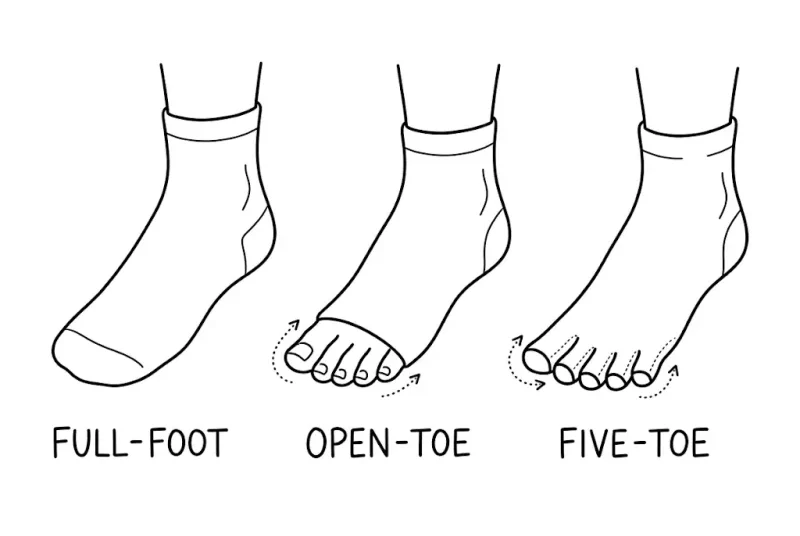
Toe Styles: Full-Foot, Open-Toe, and Five-Toe
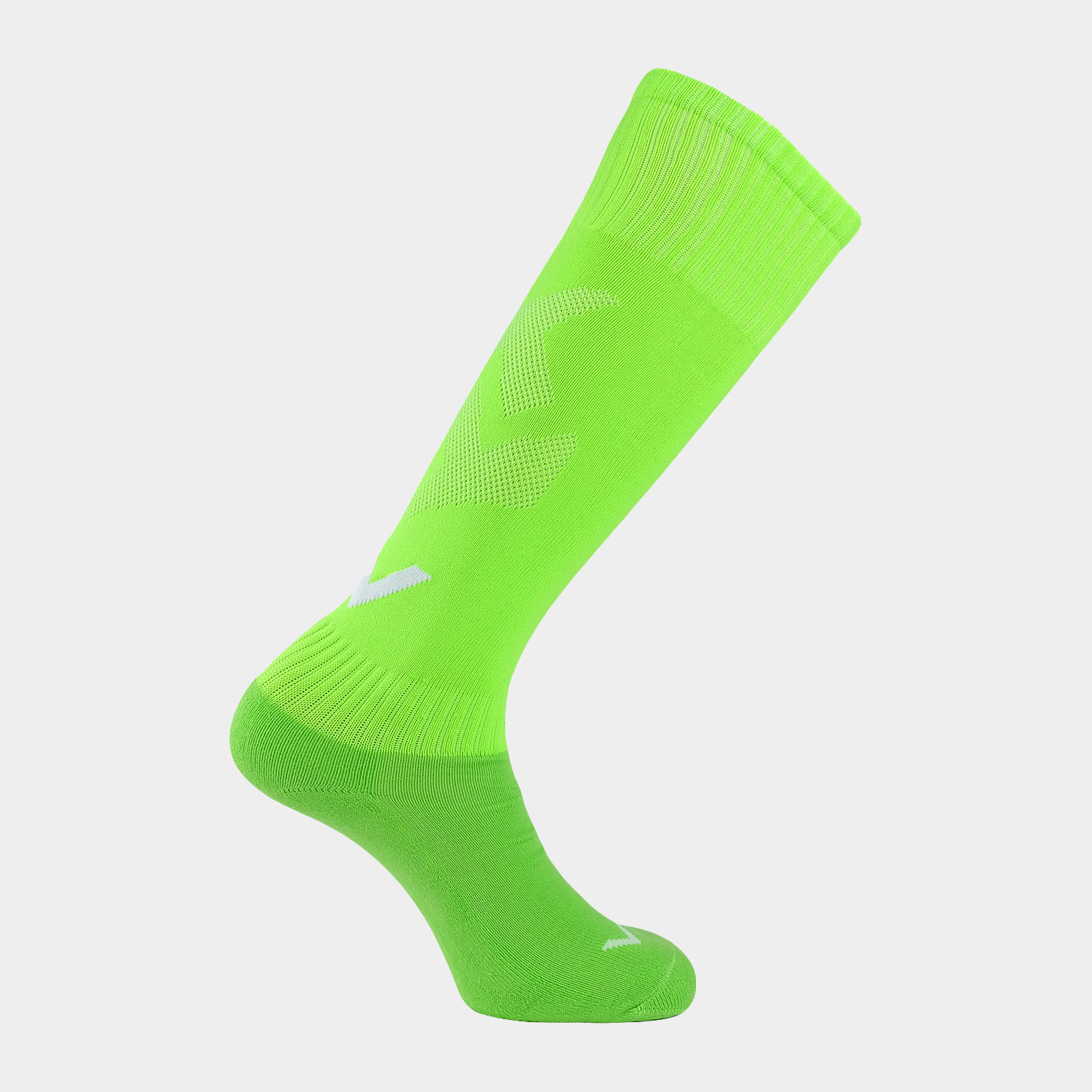
- Full-Foot Designs: Cover the entire foot for maximum coverage and hygiene, making them a common choice for general Pilates use.
- Open-Toe Styles: Leave the toes exposed, allowing more tactile feedback and natural toe movement during exercises.
- Five-Toe Designs: Separate each toe individually, allowing independent movement that some practitioners find helpful for balance-focused work.
How Grip Design Improves Pilates Performance
Now that the key features are clear, it’s easier to understand why grip plays such an important role in Pilates movements.
Reducing Slips on Reformers and Mats
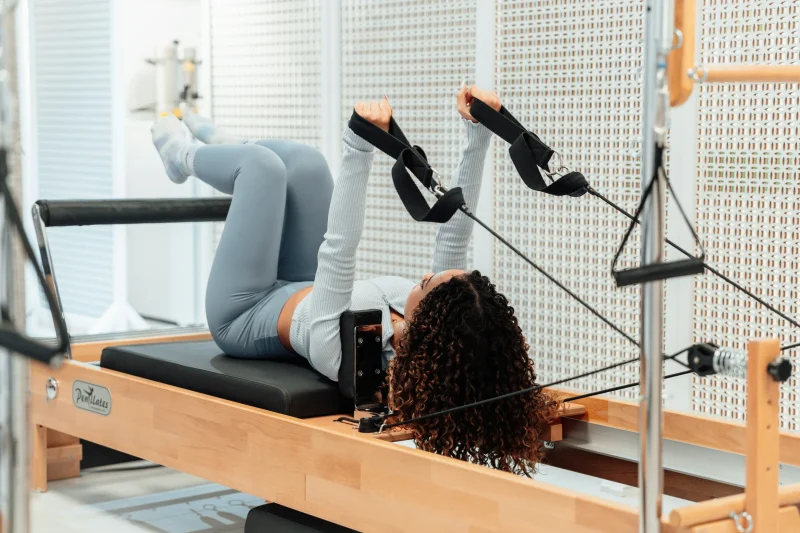
A reformer carriage moves along rails while supporting body weight, so even a small amount of foot movement during a push-off can affect balance and control. Non-slip Pilates socks add traction at the points where the foot contacts the equipment, helping reduce unexpected slipping and providing a more stable foundation for each movement.
Supporting Stability and Control
Pilates Socks vs Regular Socks vs Yoga Socks
The difference between Pilates socks and regular socks is not always obvious at first glance. Looking closer at their design helps explain why they perform differently during a workout.
| Feature | Pilates Socks | Regular Socks | Yoga Socks |
|---|---|---|---|
| Sole grip | Full or targeted silicone pattern | None | Often lighter, partial pattern |
| Fit | Snug, arch-banded | Looser, general fit | Snug, often open-toe |
| Toe coverage | Full-foot or open-toe options | Full-foot | Frequently open-toe |
| Best suited for | Reformer, mat, barre studios | Everyday wear | Static poses, floor work |
Regular socks typically lack traction, and smooth fabric can slide more easily than bare skin on polished floors and equipment. Yoga socks also provide grip, but they are generally designed for stationary, floor-based exercises rather than the sliding, dynamic footwork required on a reformer. For a broader look at how length and style affect fit across different sock categories, see our guide to different types of socks.
Best Situations to Wear Pilates Socks
Understanding where Pilates socks are used helps determine which style and grip design works best for each setting.
Reformer and Mat Pilates Classes
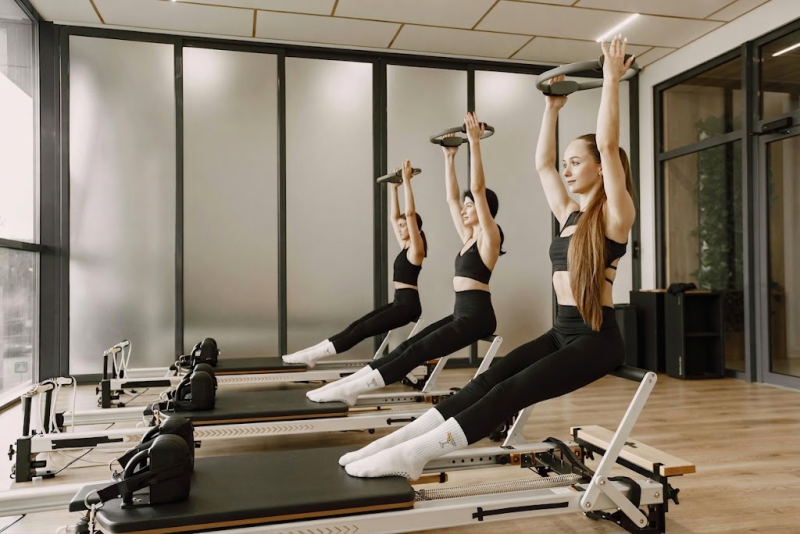
Reformer sessions are the main use case, as the moving carriage requires reliable foot grip for stability and control. Mat classes also benefit from the same traction, especially on smooth surfaces such as hardwood or laminate studio floors.
Barre Dance and Fitness Classes
Studios and Shared Equipment Spaces
How Studios and Brands Source Pilates Socks
Individual practitioners may only need one or two pairs, but studios and activewear brands ordering Pilates socks in bulk need to consider factors such as grip performance, branding options, and long-term supply reliability. Choosing the right manufacturing partner plays an important role in maintaining consistent quality across repeat orders.
Choosing Grip Patterns Materials and Designs
Working With an OEM Pilates Socks Manufacturer
FAQ
Q1. What are pilates socks made of?
Most styles blend cotton, merino wool, or nylon-spandex fibers with a silicone or rubber grip layer on the sole, balancing breathability, stretch, and traction.
Q2. Do you really need special socks for pilates?
Grip socks are often recommended or required by studios because bare feet and regular socks can slip on smooth reformer surfaces and studio floors, making it harder to maintain stable footing.
Q3.How long do pilates socks typically last?
A well-made pair can typically last several months to about a year with regular studio use before the grip pattern begins to show noticeable wear.
Q4. Can studios order custom pilates socks with their own logo?
Yes. OEM production allows brands to customize details such as logo placement, grip patterns, fabric blends, and toe styles, with a minimum order quantity usually required for each design.
Conclusion
In practice, Pilates socks are purpose-built non-slip socks designed to address unstable footing on reformers and studio floors. Grip patterns, arch bands, and breathable fabrics work together to provide better traction, stability, and comfort during movement. Whether you’re choosing a pair for your first reformer class or sourcing a branded batch for your studio, the Pilates and yoga grip socks collection offers a practical way to compare styles and specifications before making a decision.