If you’ve ever found wool itchy, you may wonder, are alpaca socks itchy too? Usually not. Alpaca fiber is naturally soft and often feels smoother than sheep’s wool. Still, the fiber quality and sock construction can affect how they feel. This guide explains why alpaca socks are rarely itchy and what to look for in a soft pair.
What Makes Alpaca Socks Soft
Before comparing alpaca to other fibers, it helps to understand what gives the fiber its reputation for comfort in the first place.
Fine Fiber Diameter
The single biggest factor behind how a fiber feels against skin is its diameter, measured in microns. Thinner strands flex and bend rather than press into the skin, which reads as soft rather than sharp. Alpaca fiber, particularly from a first shearing, tends to run fine enough that most wearers notice little to no prickling on contact.
Low Lanolin Content
Sheep’s wool contains lanolin, a natural oil that may cause mild sensitivity in some people and is sometimes mistaken for a reaction to the wool itself. Alpaca fiber contains much less lanolin, which may explain why people who find some wool garments uncomfortable often find alpaca more comfortable against the skin.
Smooth Fiber Surface
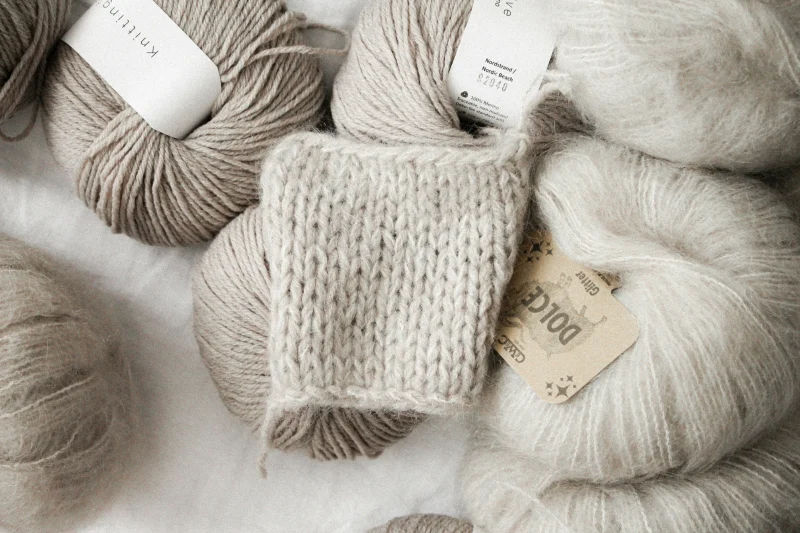
Fiber surface texture plays a role too. Coarser wool has a raised, overlapping scale pattern that can catch on skin, while alpaca’s surface is flatter and smoother — closer in hand-feel to cashmere than to a typical wool sock.
Are Alpaca Socks Itchy for Sensitive Skin
People with eczema, wool allergies, or generally sensitive skin are often the most cautious shoppers in this category, and for good reason. When your feet are sensitive, small differences in fiber softness and construction can make a big difference in comfort.
Baby Alpaca vs Standard Alpaca Softness
“Baby alpaca” doesn’t refer to the animal’s age. Instead, it generally refers to fiber from the first shearing, which tends to be finer and softer. For sensitive skin, baby alpaca socks can be a good choice because of their low lanolin content and fine micron count.
Fiber Diameter Matters More Than the Label
A sock marketed simply as “alpaca” doesn’t tell the full story. Two products can both say “alpaca” on the tag and feel completely different, depending on whether the fiber used falls into a fine or coarse grade. Checking for a stated micron range, where available, is more reliable than the material name on its own.
Blend Composition
Pure alpaca isn’t always the softest or most practical choice. Blending alpaca with merino, nylon, polyester, or elastane can improve stretch, shape retention, and durability, and a thoughtfully balanced blend often outperforms 100% alpaca on everyday comfort and fit.
Alpaca Socks vs Merino Wool Socks
Softness and Itch Potential
Merino is bred for fine fibers, so high-quality merino socks rarely feel scratchy either. Alpaca tends to feel softer overall, but the difference between a premium merino sock and a standard alpaca sock may be smaller than you’d expect.
Warmth and Moisture Control
Alpaca’s hollow fibers trap air efficiently, giving it an excellent warmth-to-weight ratio. Merino, on the other hand, can absorb a significant amount of moisture while still feeling relatively dry against the skin, which makes it useful for high-output activities.
Durability and Everyday Comfort
Frequent wear and washing can put performance socks to the test. Merino has a long track record in this category and generally holds up well over time, while alpaca resists pilling and retains its shape, making it a practical choice for socks designed for regular use.
| Feature | Alpaca Socks | Merino Wool Socks |
|---|---|---|
| Softness | Very high, consistent | High, varies by grade |
| Itch potential | Low | Low to moderate |
| Warmth | Higher warmth-to-weight | Strong, well-balanced |
| Moisture management | Good, faster drying | Excellent absorption |
| Durability | Good, resists pilling | Very good, proven track record |
| Best suited for | Cold weather, premium comfort | Everyday and performance use |
For a deeper breakdown of cost, positioning, and use cases, see our full alpaca vs merino wool socks comparison.
How to Choose Alpaca Socks That Feel Soft
With the fiber-level differences clear, the practical question becomes what to actually check before adding a pair to your cart.
Check the Fiber Grade
Look past the word “alpaca” and check for fiber grade or micron information where it’s listed. Products from a dedicated custom alpaca socks collection typically specify this detail, which makes comparing options far easier than guessing from the name alone.
Consider the Blend
A higher alpaca percentage isn’t automatically the right call. For daily wear, a moderate blend with stretch fibers often holds its shape better over time than a near-100% alpaca sock.
Check the Fit and Construction
Even a soft yarn can feel irritating if the toe seam is bulky or the cuff is too tight. Flat-knit seams and a properly proportioned fit reduce friction points that fiber quality alone can’t fix.
Match the Sock to Your Use
The right pick also depends on how the sock will be worn — everyday errands, hiking, cold-weather work, travel, or long hours on your feet. For colder conditions specifically, our alpaca boot socks use a denser alpaca knit built for insulation without sacrificing the fiber’s natural softness.
How Brands Can Source Comfortable Alpaca Socks
If individual buyers need to check fiber grade and blend, brands developing a product line need to control for these factors before production even starts.
Specify Fiber Diameter
Rather than ordering “alpaca socks” as a generic spec, a tech pack should state a target micron range and alpaca percentage. This one detail has more effect on the finished sock’s feel than almost any other production variable.
Choose the Right Blend
The ideal blend of alpaca, merino, nylon, polyester, or elastane depends on the target market and intended use. A premium lifestyle line may need a different fiber mix than a rugged outdoor product.
Test Samples Before Bulk Production
A spec sheet only goes so far. Pre-production samples should be worn and evaluated for softness, seam comfort, fit, and stretch before a bulk order is approved, catching issues while they’re still cheap to fix.
Work With an Experienced Manufacturer
Yarn selection, knitting tension, and finishing all interact to shape the final hand-feel, which is why manufacturing experience with alpaca specifically matters. Sockcn works with certified alpaca and merino suppliers and supports flexible MOQs for pilot runs — start a custom alpaca socks inquiry to discuss fiber grade and blend for your line.
FAQ
Q1. Are alpaca socks less itchy than wool socks?
Generally yes, especially compared to coarse, non-merino wool. Alpaca’s finer fiber diameter and low lanolin content make irritation less common, though quality still varies by grade.
Q2. Does alpaca fiber get softer after washing?
Alpaca socks typically maintain their softness rather than becoming noticeably softer over time, provided they’re washed gently and not exposed to high heat, which can have the opposite effect.
Q3. What is the softest alpaca fiber grade?
Baby alpaca, sourced from the first shearing, is considered the softest widely available grade due to its especially fine diameter.
Q4. What alpaca blend is best for socks?
It depends on use case: higher alpaca content suits premium warmth and softness, while blends with nylon or elastane add durability and stretch for everyday or performance wear.
Conclusion
Alpaca socks are generally soft and can be a comfortable option for people who find coarse wool irritating, but their feel depends on fiber diameter, grade, blend, construction, and fit. For brands, these factors also matter during custom alpaca sock development and sampling. Working with a dedicated alpaca sock manufacturer can help fine-tune the right specifications before moving into full production.