Many hikers face the same question when choosing hiking socks:
- In hot weather, feet sweat easily and need socks that dry quickly.
- During long-distance hikes, moisture management becomes important to reduce discomfort and blister risks.
- In cold weather, hikers need better warmth and odor control.
So which performs better for hiking socks: Merino wool or synthetic fibers?
The answer depends on the hiking environment, performance priorities, and the needs of your target customers.
Quick Overview
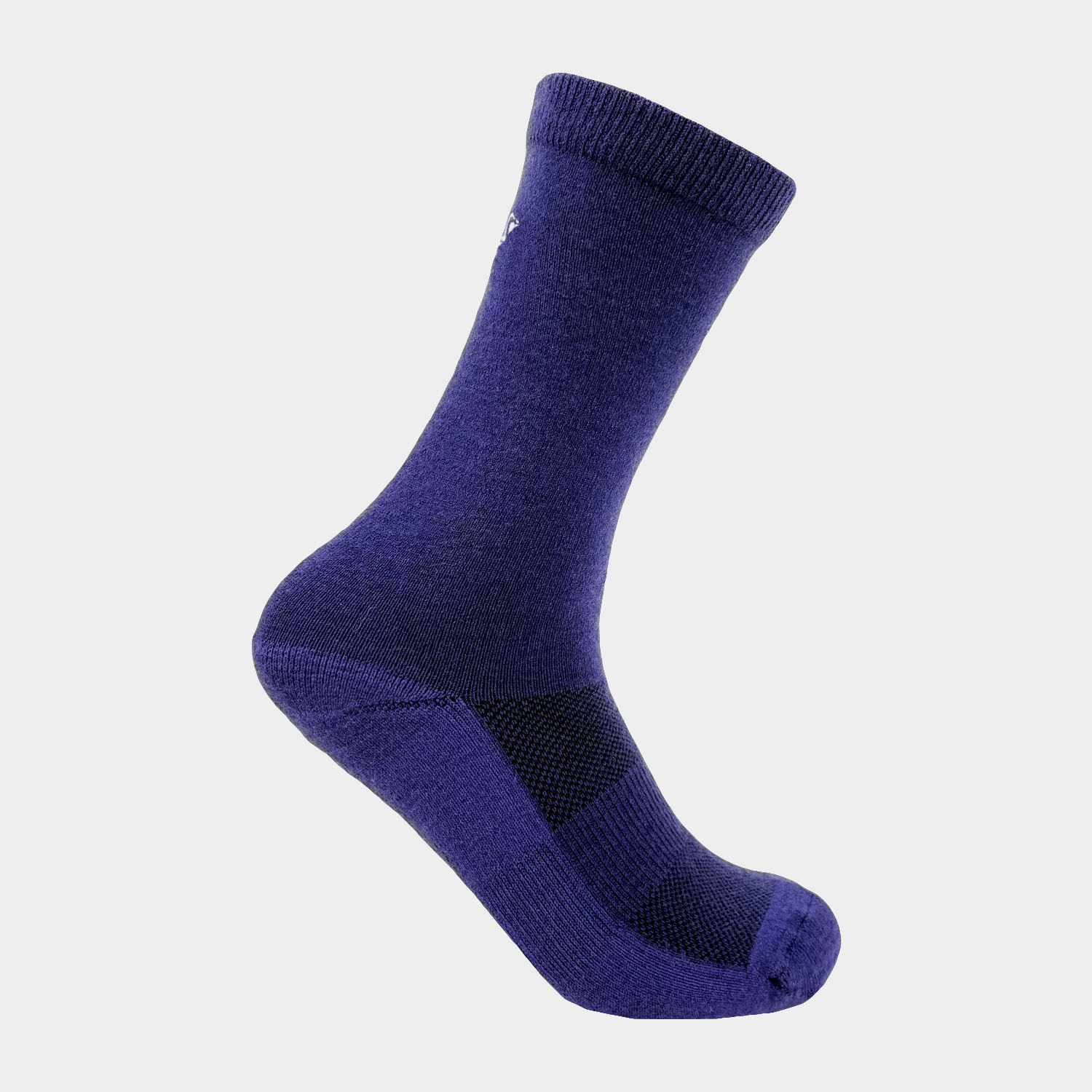
Merino wool hiking socks are valued for natural odor control, temperature regulation, and long-term comfort. They are commonly used for cold weather hiking, multi-day trips, and outdoor activities where extended wear is required.
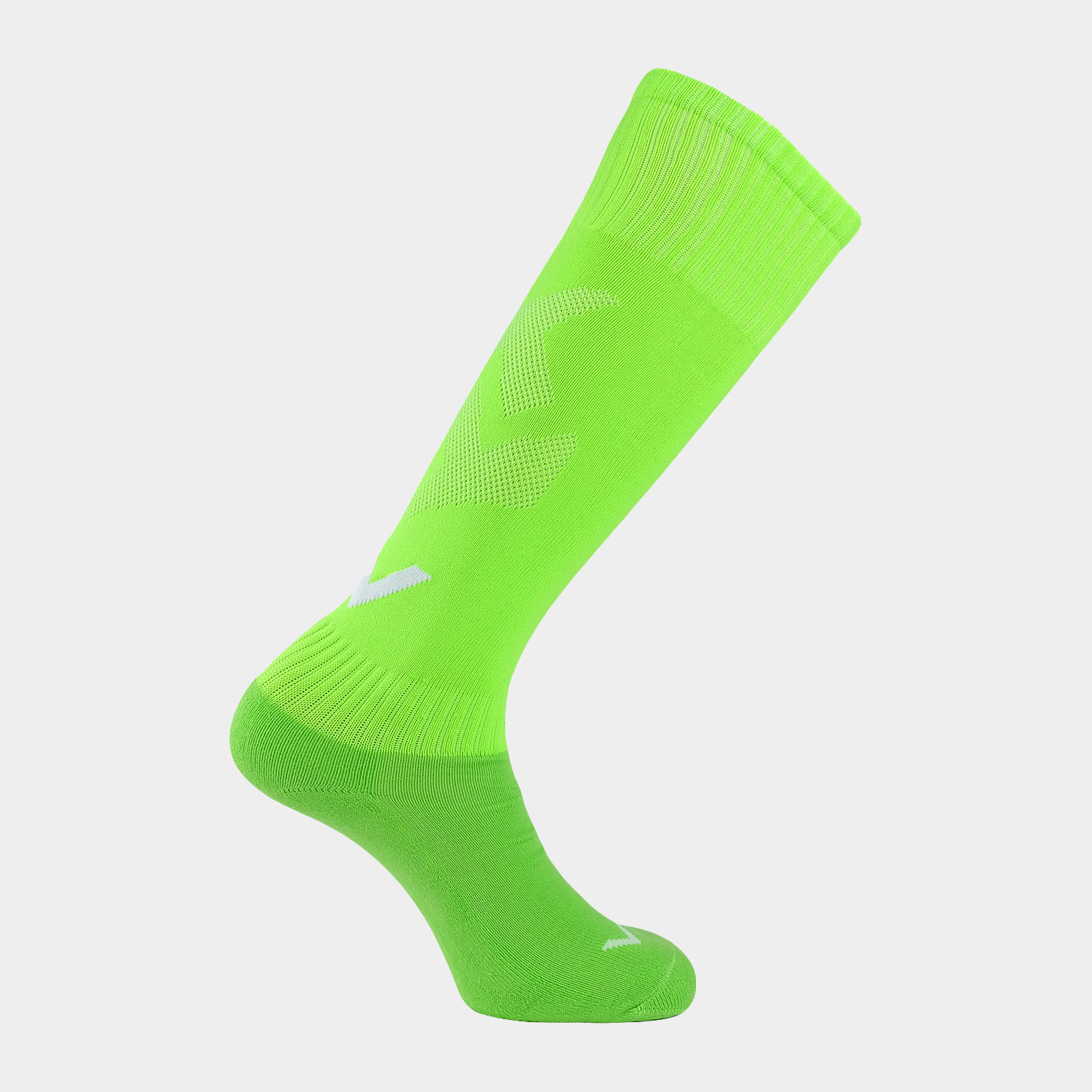
Synthetic hiking socks focus on fast drying, durability, and lightweight performance. They are suitable for hot and humid environments, high-intensity activities, and situations where quick moisture removal is a priority.
For hiking sock materials, the better choice depends on climate, activity level, product positioning, and customer expectations. Outdoor brands may choose Merino wool blends, synthetic blends, or customized material combinations based on their target market and performance goals.
Why Do Hikers Compare Merino Wool and Synthetic Socks?
When choosing hiking socks, many hikers compare Merino wool and synthetic fibers because each material offers different performance advantages. The best hiking sock material depends on factors such as climate, hiking duration, moisture management needs, and personal comfort preferences.
Unlike everyday socks, hiking socks need to handle sweat, moisture, friction, and changing temperatures during long hours outdoors. This is why material selection plays an important role in hiking performance.
Hiking Creates Different Challenges for Your Feet
During hiking, feet commonly face several challenges:
- Sweat and moisture: Excess moisture can create discomfort and increase friction.
- Temperature changes: Outdoor conditions require socks to help maintain a comfortable foot environment.
- Friction during long walks: Repeated movement can increase the risk of irritation and blisters.
Why Do Blisters Happen During Hiking?
Blisters are often caused by the combination of moisture and friction. When feet become sweaty, the skin becomes softer and more vulnerable to irritation.
Therefore, hiking socks need to do more than provide warmth. They should help manage moisture, improve comfort, and support long-distance performance.
Merino Wool Hiking Socks: What Makes Them Different?
Merino wool hiking socks are made from wool fibers produced by Merino sheep.
Compared with traditional wool, Merino wool fibers are finer and softer, making them more suitable for next-to-skin products such as hiking socks.
In outdoor applications, Merino wool is widely used not simply because it provides warmth, but because the fiber offers unique performance benefits in moisture management, temperature regulation, and long-term comfort.

Natural Odor Control for Multi-Day Hiking
For hikers who spend several days outdoors, odor can become a practical concern.
During long-distance hikes or multi-day trips, feet continue to sweat, while socks may be worn for extended periods without frequent washing.
Merino wool has natural odor-resistant properties, which can help reduce unpleasant smells during long periods of wear.
This is why Merino wool hiking socks are commonly used for:
- backpacking;
- multi-day hiking;
- extended outdoor activities.
For outdoor brands targeting the premium market, odor control is also one of the key reasons customers choose Merino wool products.
Temperature Regulation in Changing Weather
Temperature changes are common during outdoor activities.
A single day of hiking may include:
- cold conditions in the morning;
- warmer temperatures as activity increases;
- cooler weather later in the day.
The fiber structure of Merino wool helps regulate foot temperature, providing warmth in colder conditions while maintaining comfort when activity levels increase.
Because of this, Merino wool socks are commonly used for:
- cold weather hiking;
- mountain trekking;
- four-season outdoor activities.
Moisture Management During Long-Distance Hiking
Sweaty feet are one of the most common challenges during long-distance hiking.
When moisture builds up inside footwear, it can reduce comfort and increase irritation caused by friction.
Merino wool fibers can absorb moisture vapor and help regulate the environment around the foot, allowing hikers to stay more comfortable during extended wear.
However, it is important to note that Merino wool is not the fastest-drying hiking sock material. In hot and humid conditions, synthetic fibers usually have an advantage in moisture transport and drying speed.
The strength of Merino wool lies in its balance between moisture management, temperature regulation, and softness during long periods of use.
Comfort and Blister Prevention
Blisters are a common problem during long-distance hiking.
They are usually related to two main factors:
- repeated friction;
- moisture that softens the skin.
No sock material can completely prevent blisters, but better moisture management can help reduce discomfort caused by prolonged exposure to a damp environment.
Because Merino wool offers softness and moisture-regulating properties, many hikers choose it for long-distance activities where comfort over many hours is a priority.
Synthetic Hiking Socks: Why Many Hikers Still Choose Them
Synthetic hiking socks are made from man-made fibers, including polyester, nylon, polypropylene, and elastane.
Unlike natural fibers such as Merino wool, synthetic fibers are engineered to achieve specific performance characteristics. Different synthetic materials can provide advantages in areas such as moisture transport, drying speed, durability, and weight control.
Because of their functional performance and production flexibility, synthetic fibers remain one of the most commonly used materials in hiking socks.

Faster Drying Performance
Synthetic fibers are widely used in hiking socks because they can move moisture away from the skin and dry quickly.
Compared with Merino wool, synthetic materials generally have a faster drying speed, which makes them suitable for hot and humid environments or activities where socks may become wet.
For example, polyester and polypropylene are commonly used in performance socks because they help reduce the feeling of wetness during high-intensity activities.
Higher Abrasion Resistance and Durability
Synthetic fibers, especially nylon, are widely recognized for their abrasion resistance and durability, which is why they are commonly used in hiking socks designed for frequent outdoor use.
However, durability is not only determined by fiber type. Material blends and product engineering also influence the final performance of hiking socks.
For example, Sockcn’s Merino wool socks use Merino blend construction and are tested for abrasion resistance, achieving over 100,000 cycles in durability testing.
For brands developing hiking socks, material selection requires a balance between comfort, durability, and target market expectations.
Lightweight Options for Hot Weather Hiking
Synthetic fibers are also commonly used in lightweight hiking socks.
By adjusting fiber type and fabric weight, manufacturers can develop thinner socks that provide moisture-wicking performance without adding unnecessary bulk.
This makes synthetic materials suitable for:
- hot weather hiking;
- summer outdoor activities;
- trail running.
Merino Wool vs Synthetic Hiking Socks Comparison Table
Feature | Merino Wool Hiking Socks | Synthetic Hiking Socks |
Odor Control | Excellent | Moderate |
Moisture Management | Excellent | Excellent |
Drying Speed | Good | Excellent |
Temperature Regulation | Excellent | Good |
Hot Weather Performance | Good | Excellent |
Cold Weather Performance | Excellent | Good |
Durability | Good | Excellent |
Softness | Excellent | Good |
Multi-Day Hiking | Excellent | Good |
Price | Higher | Lower |
Real-World Scenarios: How Use Cases Dictate Material Choice
Merino wool and synthetic hiking socks each have their own advantages. The right material choice depends on the environment, activity level, and product positioning.
Summer & Hot Climate Hiking: Synthetic Advantages
In hot and humid environments, keeping feet dry becomes a priority.
Synthetic hiking socks are preferred in these conditions because they dry quickly and can handle high moisture output during intense activities.
For summer hiking products, trail running socks, or outdoor socks designed for warm climates, synthetic fibers are chosen for their lightweight and fast-drying performance.
Cold Weather & Multi-Day Treks: Where Merino Wool Excels
In cold conditions or long-duration outdoor activities, performance is not only about warmth but also about comfort during extended wear.
When hikers spend many hours outdoors in the same pair of socks, Merino wool’s ability to manage moisture, regulate temperature, and control odor can improve the overall wearing experience.
This is why many premium outdoor sock products include Merino wool as part of their material selection.
Hiking Socks for Sweaty Feet: Synthetic vs Merino Options
For hikers with sweaty feet, the better material depends on the specific use case.
If the priority is:
- hot weather performance;
- faster drying;
- quick recovery after high-intensity activities;
synthetic hiking socks are a better fit.
If the focus is:
- comfort during extended wear;
- maintaining a better foot environment during long hikes;
Merino wool or Merino blend socks can be a suitable choice.
For performance hiking socks, material selection is not simply about deciding whether Merino wool or synthetic fibers are better. It is about adjusting material combinations based on the target market and the intended use of the product.
How Sock Manufacturers Choose Materials for Hiking Socks

Hiking sock materials are selected based on the target market, climate conditions, price point, and expected product performance.
For example, brands developing premium outdoor socks may choose Merino wool blend materials to create products focused on comfort and outdoor performance. Products designed for hot climates or high-intensity activities may use Coolmax or polyester blends for lightweight and quick-drying performance. Wholesale hiking socks programs need to balance product performance with cost requirements.
The right material combination depends on the market the product is designed for. Different customer groups, climates, and price levels require different material solutions.
Sockcn provides custom hiking socks development with options including Merino wool socks, alpaca hiking socks, synthetic hiking socks, and blended materials, helping brands create products based on their specific market requirements.
FAQ
Are wool socks good for hiking?
Yes. Wool socks, especially Merino wool socks, are a popular choice for hiking because they provide comfort, moisture management, and odor control during long outdoor activities.
Are merino wool socks good for summer hiking?
Yes, lightweight Merino wool socks can work well for summer hiking, especially in dry climates or long-distance activities. However, synthetic socks may perform better in hot and humid conditions where faster drying is the priority.
Are synthetic socks better than wool socks?
Synthetic socks are not always better, but they have advantages in areas such as quick drying and durability. Merino wool performs better when odor control and long-term comfort are more important.
What is the best material for hiking socks?
The best hiking sock material depends on the environment and product needs. Merino wool works well for comfort and multi-day hiking, while synthetic fibers are suitable for fast drying and high-performance use.
Should hiking socks be thick or thin?
The right thickness depends on the hiking environment, footwear, and activity level. Thick socks provide more cushioning and warmth, while thin socks offer lighter weight and faster drying.