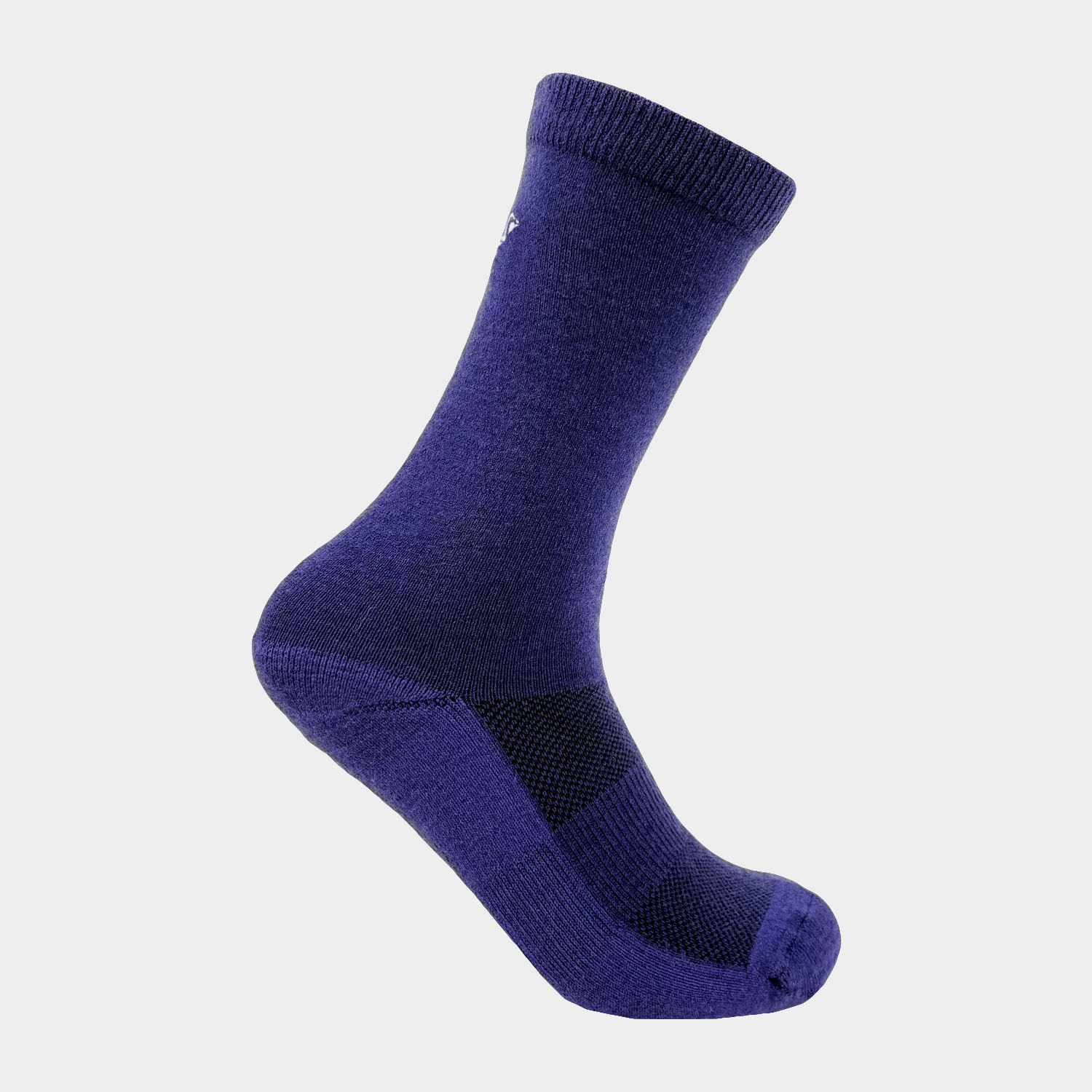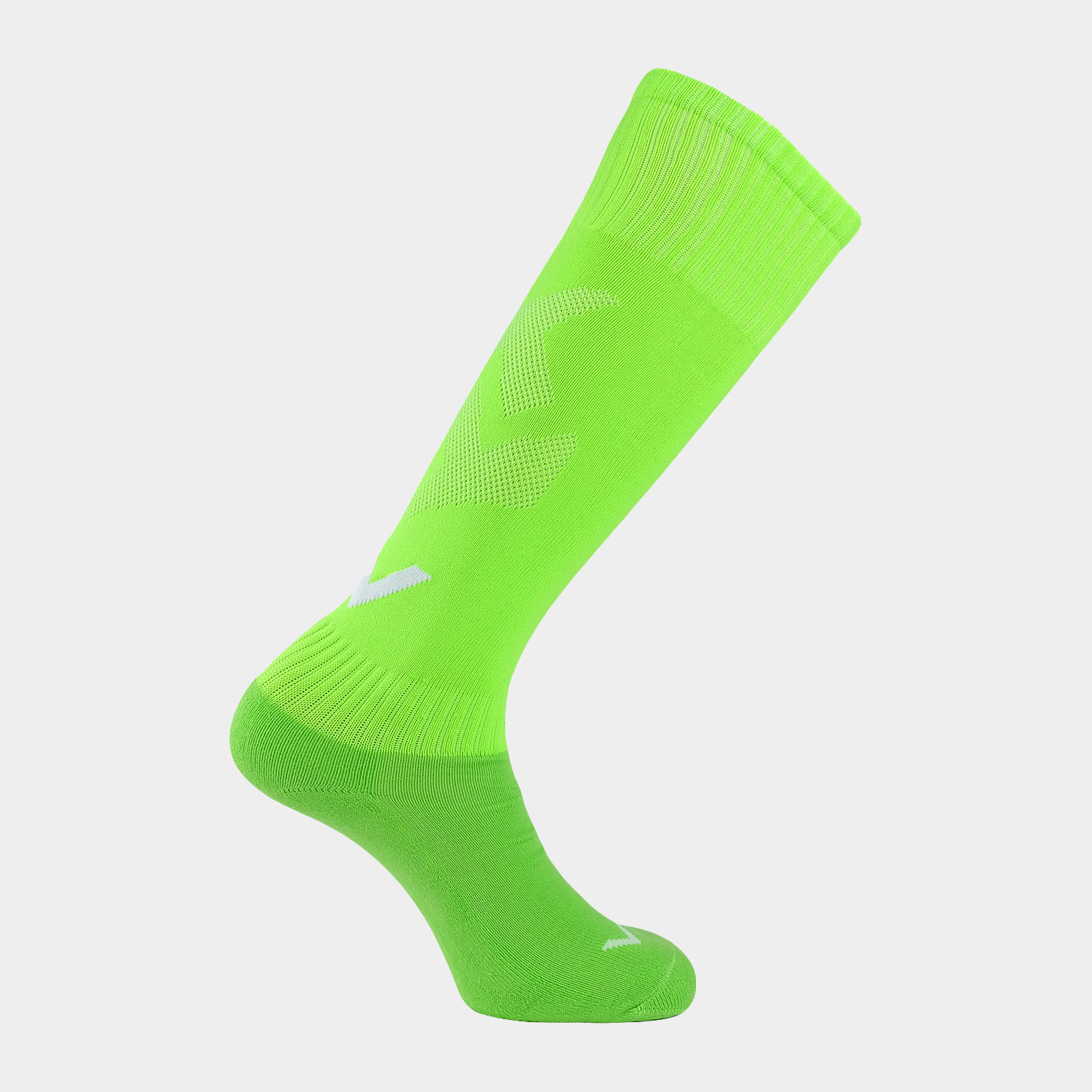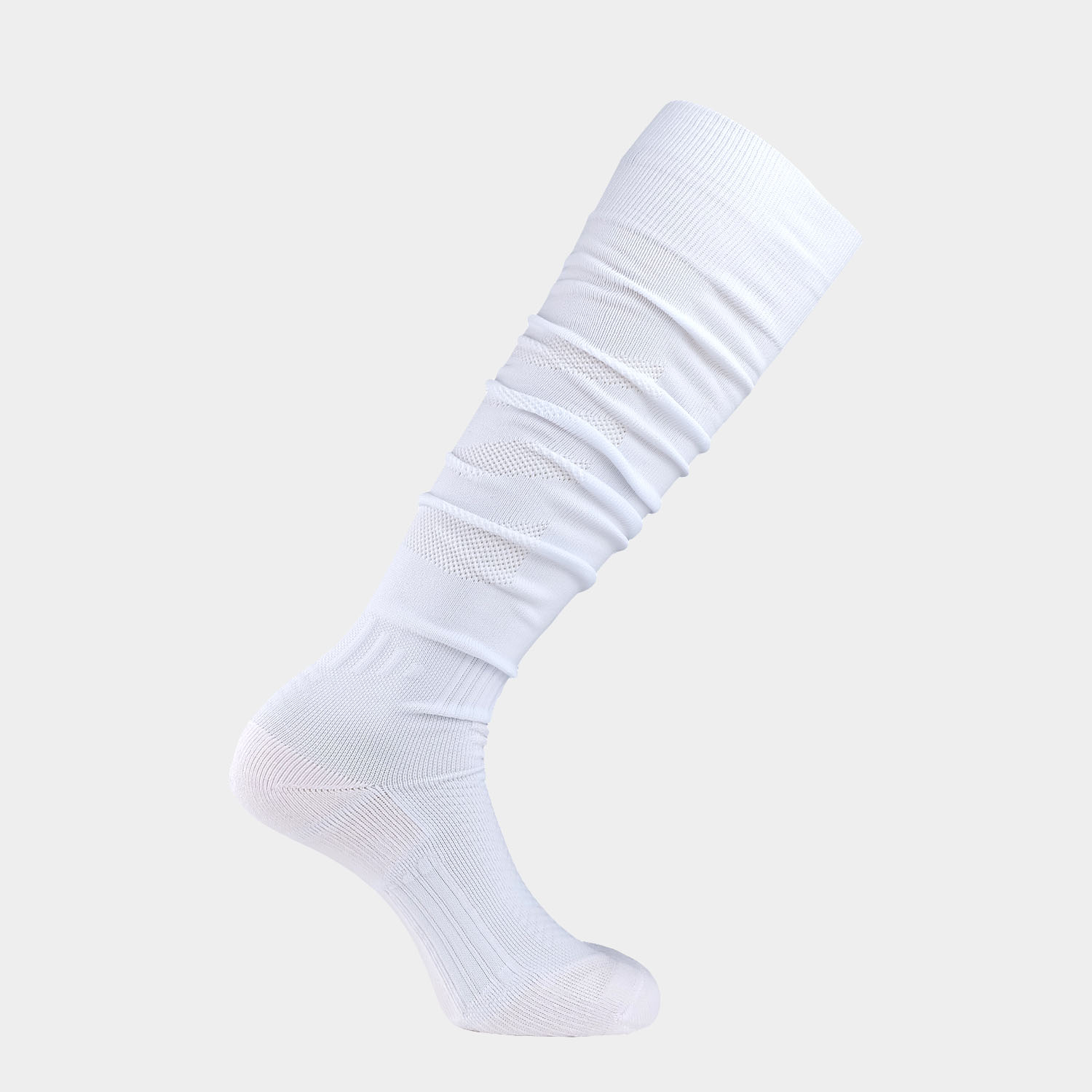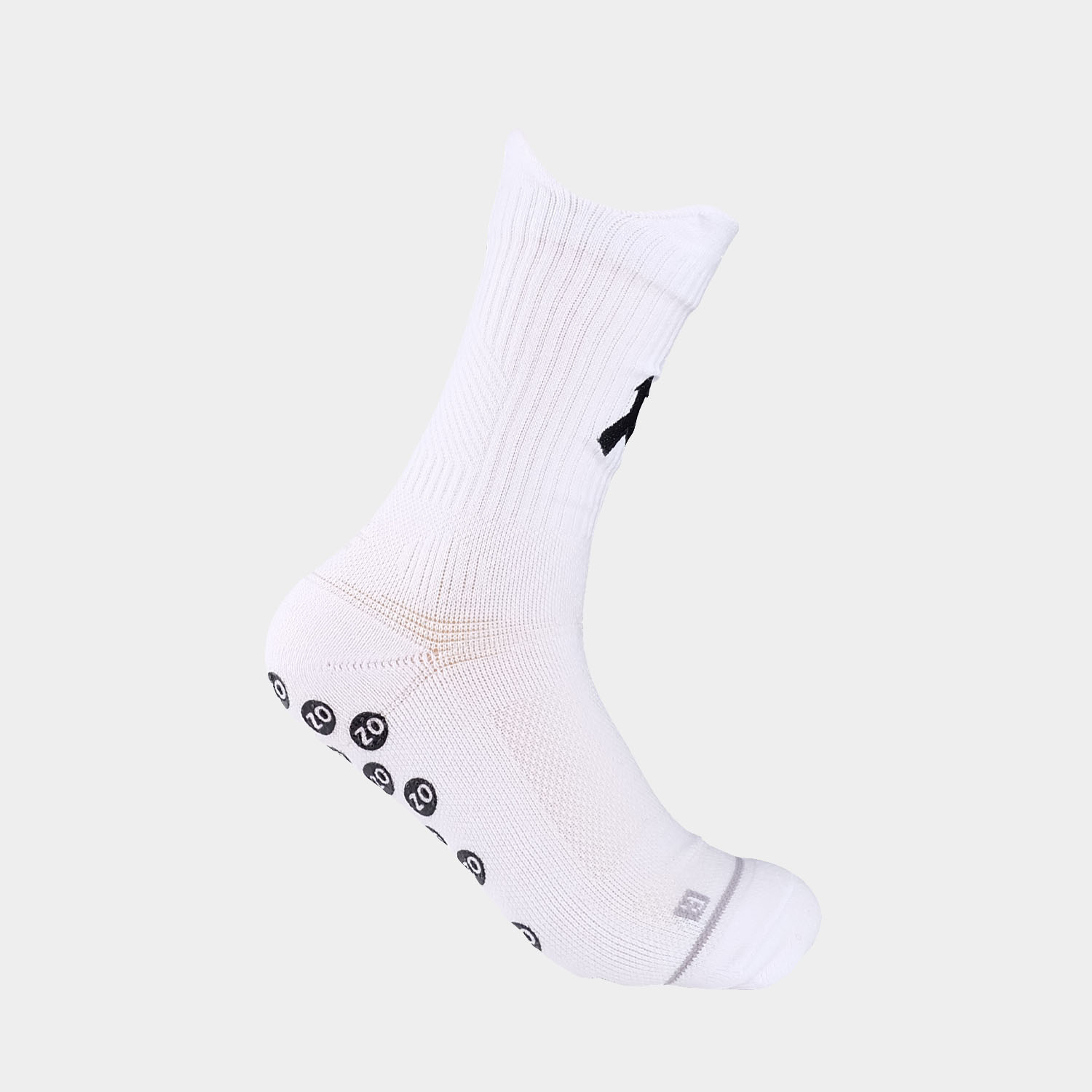
When choosing socks for running, hiking, or long-distance activities, many people wonder whether merino wool or synthetic socks are better for blister prevention. The better choice depends on how each material handles moisture, friction, heat, and comfort. This guide compares both options to help you find the right fit for your activity.
Quick Overview
- Material matters: Merino wool and synthetic socks manage moisture, friction, and temperature differently, affecting blister risk during long activities.
- Merino wool socks: Best for hiking, cold weather, and multi-day trips with soft comfort, temperature regulation, and odor control.
- Synthetic socks: Ideal for running and high-sweat activities with fast drying, lightweight performance, and durability.
- Blended socks: Combine merino wool comfort with synthetic strength, making them a versatile option for changing conditions.
- Choose by activity: The best blister prevention socks depend on your environment, moisture levels, fit, cushioning, and overall sock construction.
Why Sock Material Matters for Blister Prevention
Blisters usually develop when friction, moisture, and heat combine to irritate the skin. During repeated movement, friction between the foot, sock, and shoe creates shear forces that can damage skin layers and lead to fluid-filled blisters.
Sock material affects how well moisture is managed, how dry the foot stays, and how comfortable the sock feels during long activities. A good blister prevention sock should help control moisture, reduce irritation, and provide a secure fit.
That is why runners and hikers often compare different sock materials to find the option that best suits their activity and needs.

Merino Wool vs Synthetic Socks: Key Differences
Both materials can help prevent blisters, but they offer different benefits. Merino wool provides comfort, moisture management, and temperature regulation, while synthetic fibers offer quick drying, durability, and lightweight performance.
Merino Wool Socks
Known for its soft, fine fibers and natural temperature regulation, Merino wool is widely used in hiking and outdoor socks. Its fibers are finer than traditional wool, making them softer against the skin and more comfortable for long periods of wear.
Advantages:
Helps manage moisture by absorbing and releasing humidity over time.
Provides insulation in cold conditions while staying breathable in warmer weather.
Naturally helps control odor, making it suitable for multi-day trips.
Soft fibers can reduce irritation for sensitive skin.
Limitations:
- Usually dries slower than synthetic materials.
- Can be less abrasion resistant without reinforcement.
- Typically costs more than synthetic socks.
Merino wool socks are a popular choice for hiking and backpacking, especially when long-term comfort matters more than fast drying.
Synthetic Socks
Polyester, nylon, polypropylene, and engineered fibers such as Coolmax are widely used in performance socks. These materials are designed to move moisture quickly while providing the durability needed for high-intensity activities.
Advantages:
- Fast moisture wicking and quick drying.
- High abrasion resistance for running and technical outdoor use.
- Lightweight and easy to design with targeted cushioning zones.
- More affordable for frequent replacement.
Limitations:
- Some synthetic fibers may feel less soft than Merino wool.
- Odor control often requires additional treatments.
- Offer less natural temperature regulation than wool.
Synthetic socks work especially well for running, hot-weather training, and high-sweat activities where quick drying and moisture management are important.
| Feature | Merino Wool Socks | Synthetic Socks |
|---|---|---|
| Moisture Management | Absorbs and buffers moisture | Moves moisture quickly and dries fast |
| Comfort | Soft and gentle on skin | Smooth and performance-focused |
| Temperature Control | Excellent in changing temperatures | Better for warm and high-output activities |
| Durability | Good but may need reinforcement | High abrasion resistance |
| Odor Control | Natural odor resistance | Usually requires treatment |
| Drying Speed | Moderate | Fast |
| Best For | Hiking, backpacking, cold weather | Running, hot weather, wet conditions |
| Cost | Higher | More affordable |
Choosing the Right Socks for Different Activities
The right blister prevention socks should suit the conditions you’ll be facing. A material that works well for a winter hike may not be the best choice for a summer run.
Merino Wool Socks for Hiking and Long Outdoor Trips
Merino wool socks are a strong choice for:
- Long-distance hiking
- Backpacking trips
- Cold-weather outdoor activities
- Multi-day adventures
The main benefit is long-lasting comfort. Merino wool helps regulate temperature and manage moisture as conditions change throughout the day. Its natural odor resistance is also useful for hikers wearing the same pair over multi-day trips.
Synthetic Socks for Running and High-Sweat Activities
Synthetic socks are often better suited for:
- Summer running
- Marathon training
- Trail running
- High-intensity workouts
Their biggest advantage is fast moisture management. Synthetic fibers move sweat away from the skin and dry quickly, helping reduce prolonged moisture exposure during intense activities.
Lightweight synthetic socks with targeted cushioning and a secure fit are a practical choice for runners who generate a lot of heat and sweat.
Merino Synthetic Blend Socks for Balanced Performance
Many performance socks combine merino wool with synthetic fibers to balance comfort and durability.
A blend can provide:
- Merino wool softness and temperature regulation
- Synthetic durability and faster drying
- Better shape retention during repeated use
These blends are popular for hiking, outdoor products, and all-season performance socks because they offer a practical balance of comfort, durability, and performance.
How to Choose Socks for Better Blister Prevention
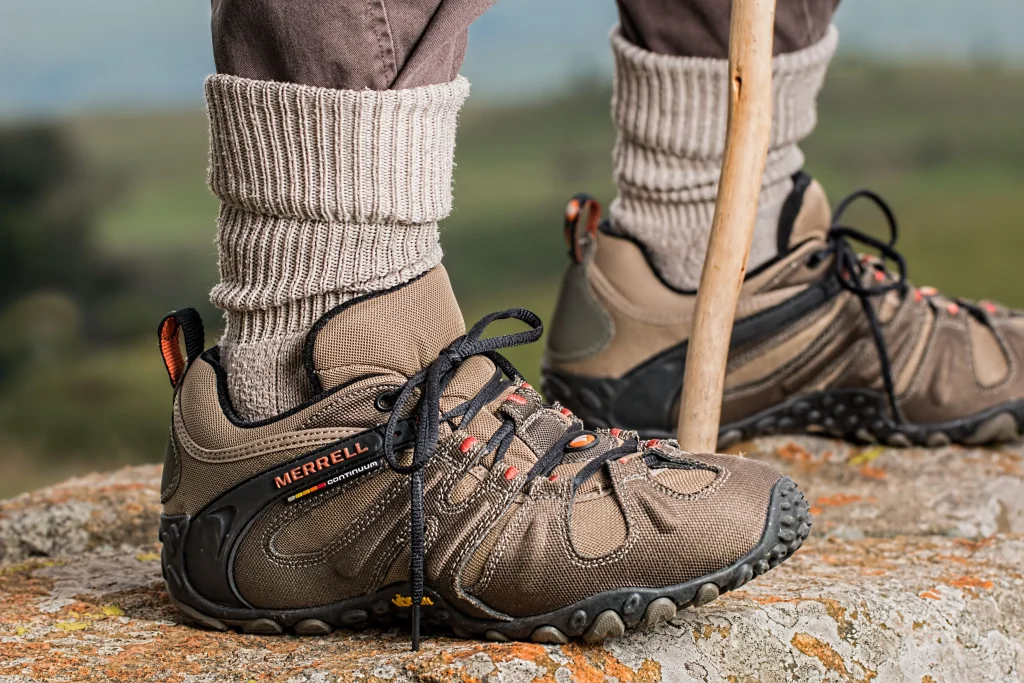
Material is only one part of blister prevention. The overall sock design also affects comfort and friction control.
- Material: Choose merino wool for temperature regulation and long wear, synthetic fibers for fast drying and durability, or blends for a balance of both.
- Moisture Management: Avoid cotton for running and hiking because it absorbs moisture and stays wet against the skin. Instead, look for moisture-wicking fibers that help keep feet dry.
- Cushioning: Targeted cushioning around the heel and forefoot can help reduce pressure points, but the thickness should match your shoes.
- Fit: A properly fitted sock should stay in place without bunching or creating extra friction.
- Toe Construction: Seamless or low-profile toe seams can reduce irritation around the toes, especially during long-distance activities.
Custom Merino Wool and Synthetic Socks for Brands
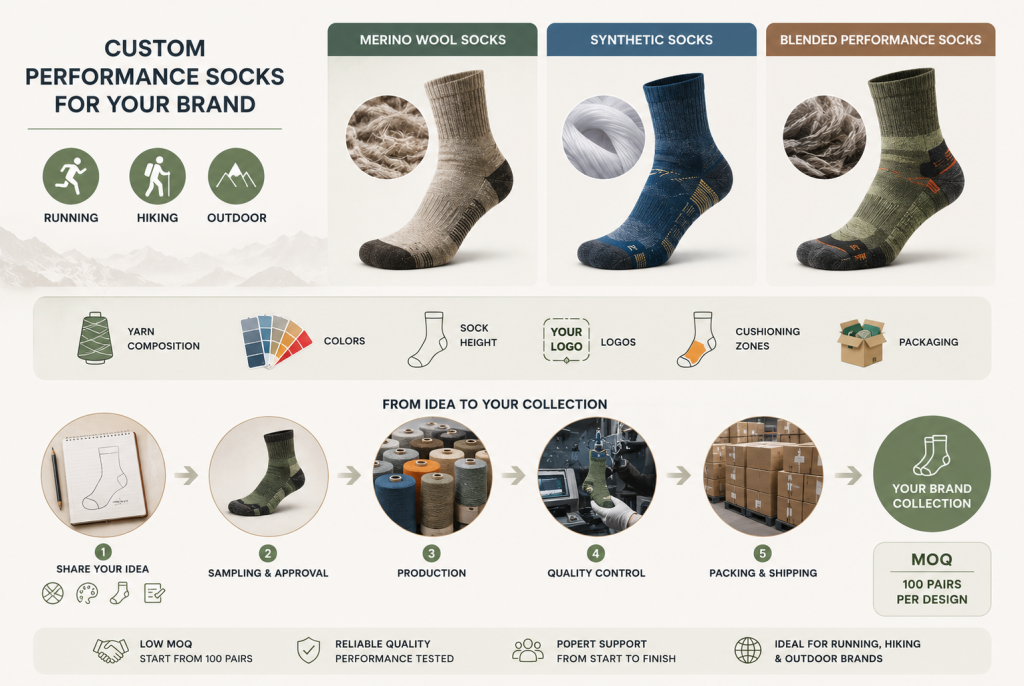
Sockcn supports custom merino wool socks, synthetic socks, and blended performance socks for running, hiking, and outdoor brands. Brands can customize yarn composition, colors, logos, sock height, cushioning zones, and packaging to create products for different markets.
With MOQ starting at 100 pairs per design, Sockcn helps brands develop private label running, hiking, and performance sock collections from sampling to bulk production.
Share your design, material preferences, quantity, and performance requirements to get started.
FAQ
Q1. Are merino wool socks good for summer running?
Yes, lightweight merino blends can work well in warm conditions, but many runners prefer synthetic socks for faster moisture wicking and drying.
Q2. Can I use synthetic socks for long hikes?
Yes. Synthetic socks are durable and quick-drying, making them a good choice for hiking, especially in warm or wet conditions.
Q3. Do merino wool socks really control odor better?
Merino wool naturally helps control odor, making it a popular choice for multi-day outdoor activities.
Q4. What sock material is best for blister-prone feet?
The best choice depends on the activity, climate, fit, and sock construction. Material matters, but moisture management and proper fit are just as important.
Conclusion
Neither merino wool nor synthetic socks are universally better for blister prevention. Merino wool provides comfort, temperature regulation, and lasting performance, making it well suited to long outdoor trips. Synthetic socks, on the other hand, dry quickly and offer good durability and moisture management, which can be especially useful during high-sweat activities. When conditions vary, a merino-synthetic blend can combine the benefits of both materials for more versatile performance.