Last Updated: September 16, 2026
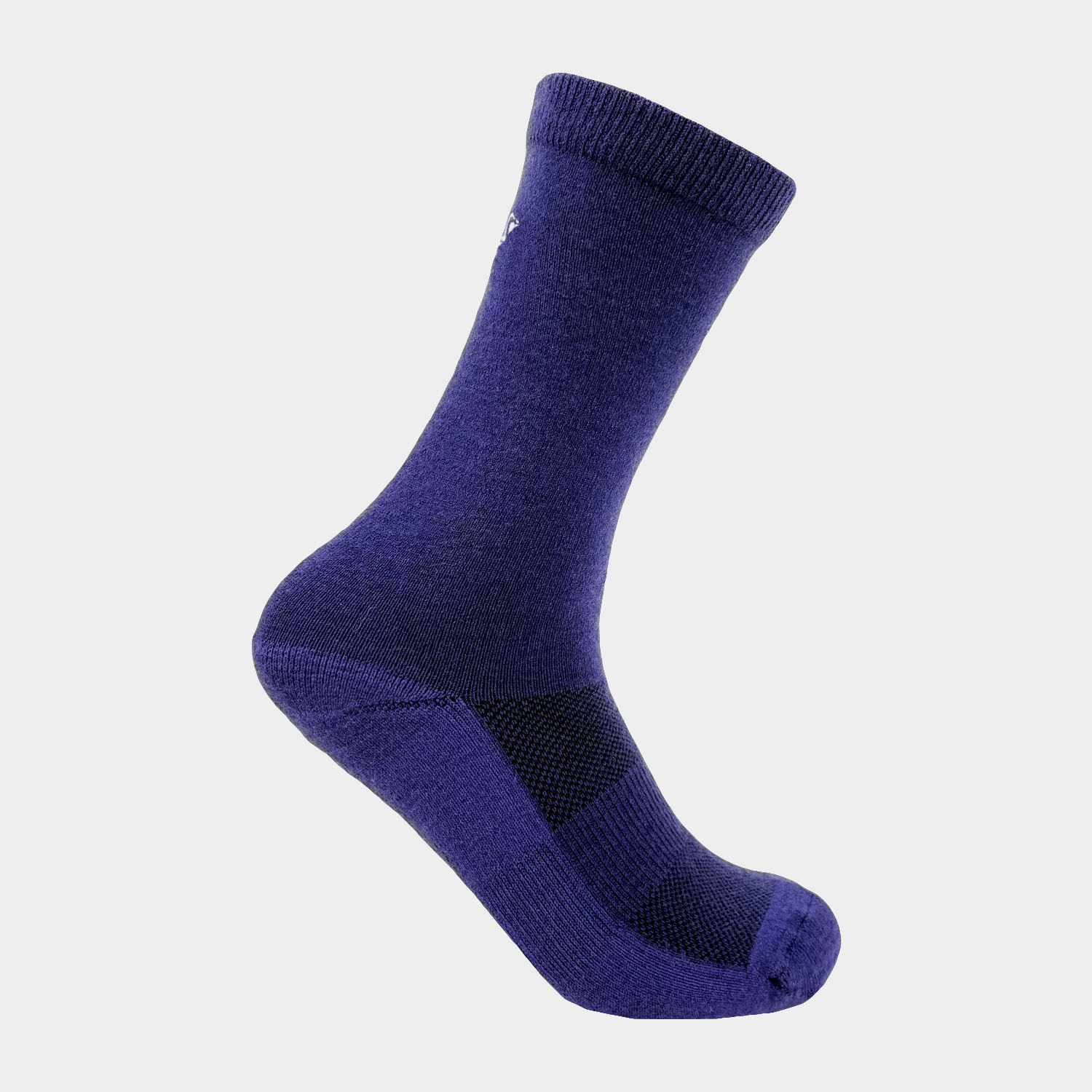
Yes. Lightweight Merino wool socks can be an excellent choice for summer, especially for hiking, running, travel, work, and other activities where feet stay inside shoes for long periods. Merino wool helps manage moisture, regulate temperature, and control odor without requiring a thick, heavy construction.
The key is choosing the right Merino wool weight, blend, cushioning, and ventilation for the intended use. Thick winter-weight wool socks may still feel too warm in hot weather.
TL;DR
- Yes, Merino wool socks can be worn in summer.
- Merino wool helps manage moisture and regulate temperature.
- It can stay comfortable during long periods of wear, including hiking and travel.
- Lightweight, breathable constructions are generally better suited to hot weather.
- Thick or heavily cushioned winter socks can feel too warm.
- Merino blends can improve durability, stretch, and drying performance.
- The best summer sock depends on the activity, footwear, and climate.
Why Can Merino Wool Work in Summer
Merino wool is naturally suited to changing temperatures. Its fine, crimped fibers help create small air spaces within the fabric, while the fiber can absorb and manage moisture.
For summer socks, this can provide three important benefits:

Temperature regulation
Merino wool does not simply act as insulation for cold weather. Its structure can help buffer temperature changes inside the shoe, making it suitable for both warm and cool conditions.
This is particularly useful when moving between outdoor heat and air-conditioned environments.
Moisture management
Feet can produce significant moisture during exercise or long periods of wear. Merino wool can absorb moisture vapor and move it through the sock structure, helping reduce the damp feeling that can occur with less moisture-managing materials.
Odor resistance
Merino wool naturally resists odor better than many common fibers, which can be useful when socks are worn for extended periods during travel, hiking, or outdoor activities.
The result is not that Merino keeps feet “cold,” but that it can help create a more stable and comfortable environment inside the shoe.
Are Merino Wool Socks Good for Sweaty Feet?
Yes, Merino wool can be a good choice for sweaty feet.
The main advantage is moisture management. Rather than simply holding liquid against the skin, Merino can absorb and manage moisture vapor within the fiber.
By comparison, cotton can become noticeably damp once it absorbs sweat. When the fabric stays wet inside a shoe, it can feel heavier and less comfortable during prolonged wear.
Feature | Merino Wool | Cotton |
Moisture management | Excellent | Moderate |
Comfort when damp | Generally better | Can feel wet |
Odor resistance | Naturally high | Lower |
Long-duration wear | Well suited | Depends on conditions |
Outdoor activities | Excellent | Less ideal for prolonged wet conditions |
For people who spend hours hiking, running, traveling, or working in enclosed footwear, these differences can become more noticeable.
Do Merino Wool Socks Ever Feel Too Hot
Yes.
Not every Merino wool sock is designed for summer. A thick winter hiking sock with heavy cushioning can still feel warm in hot weather.
The overall feel depends on more than the fiber itself:
- Sock weight and thickness
- Merino fiber fineness
- Cushioning level
- Ventilation zones
- Sock height
- Fiber blend
- Shoe breathability
- Activity intensity
This is why “summer Merino” does not necessarily mean “the thinnest possible sock.” A hiker may prefer a midweight sock with cushioning, while a runner may need a much lighter construction.
What Makes a Merino Wool Sock Suitable for Summer
For summer applications, brands should consider the complete sock construction rather than focusing only on fiber content.
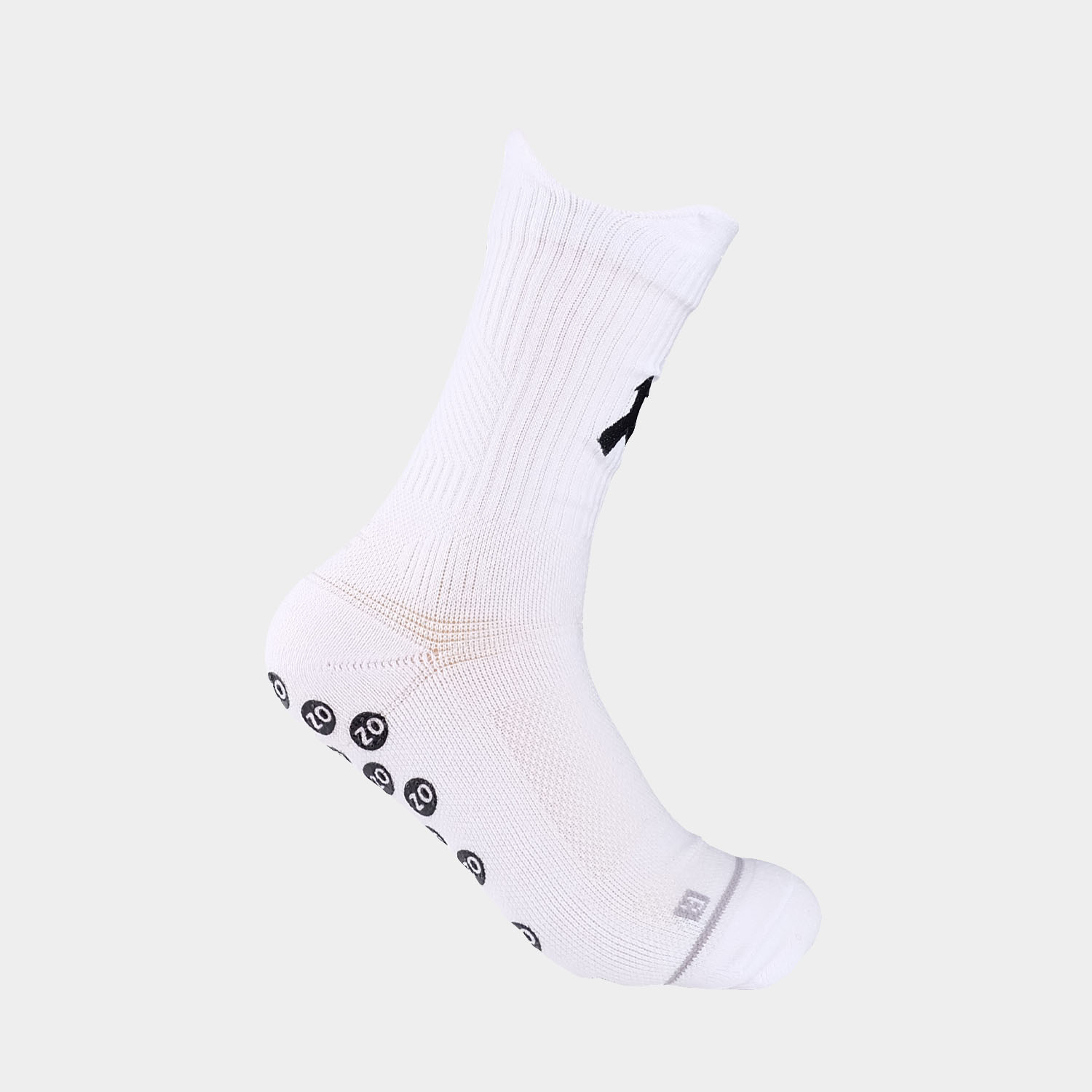
Lightweight construction
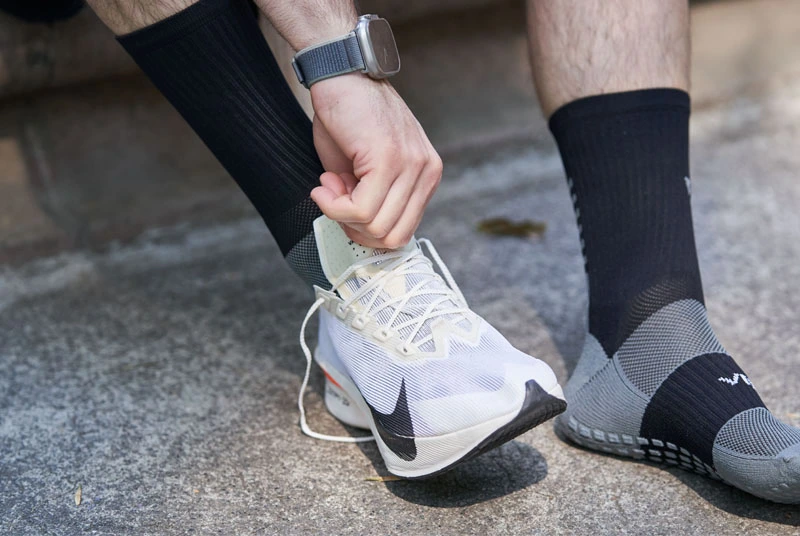
Lighter constructions generally reduce bulk and work well with running shoes, casual footwear, and other breathable shoes.
Breathable ventilation
Mesh ventilation zones can improve airflow in areas where heat tends to build up, such as the top of the foot.
Appropriate cushioning
More cushioning can improve comfort and protection during hiking or demanding work, but excessive cushioning may add unnecessary warmth and bulk.
Fine Merino fibers
Fine Merino wool is typically softer against the skin and better suited to lightweight performance socks.
Functional blends
Merino is often combined with synthetic fibers to balance comfort, durability, stretch, and performance. Brands can compare different sock materials and their properties in our sock material guide.
There is no single blend that is ideal for every summer sock. The right formulation depends on the product’s intended use.
What Type of Merino Wool Socks Are Best for Different Activities
Different activities require different constructions.
Activity | Recommended Construction | Key Considerations |
Running | Lightweight, breathable, low cushioning | Ventilation, low bulk, moisture management |
Hiking | Lightweight to midweight, cushioned | Protection, durability, moisture management |
Travel | Lightweight, comfortable, odor-resistant | Long wear, easy maintenance |
Everyday wear | Lightweight, breathable | Comfort and low bulk |
Work boots | Durable, cushioned Merino blend | Long wear, abrasion resistance, moisture management |
This is also why a single “best summer sock” does not exist. The best construction is the one that matches the activity and footwear.

Merino Wool vs. Cotton for Summer
Both Merino wool and cotton are natural fibers, but they behave differently when used in socks.
Cotton can feel soft and comfortable when dry, but it tends to retain moisture after absorbing sweat. Merino wool is better suited to applications where moisture management and long-duration comfort are important.
For casual, short-duration wear, cotton may work perfectly well. For hiking, running, travel, or work where feet remain inside shoes for many hours, Merino can offer advantages.
Why Are Summer Merino Wool Socks Often Blended
Merino wool provides softness, moisture management, temperature regulation, and odor resistance, but performance socks often require additional properties.
A blend may combine:
- Merino wool: moisture management, temperature regulation, softness
- Nylon: durability and abrasion resistance
- Polyester: strength and performance
- Elastane/Spandex: stretch and fit retention
The goal is not simply to maximize the percentage of wool. Instead, the blend should support the performance requirements of the finished sock. For brands that need help selecting materials for a specific application, explore our custom wool socks development options.
For example, a lightweight running sock may prioritize low bulk and stretch, while a work sock may require greater abrasion resistance and cushioning.
Merino Wool Socks for Hiking, Running, and Work Boots
Hiking
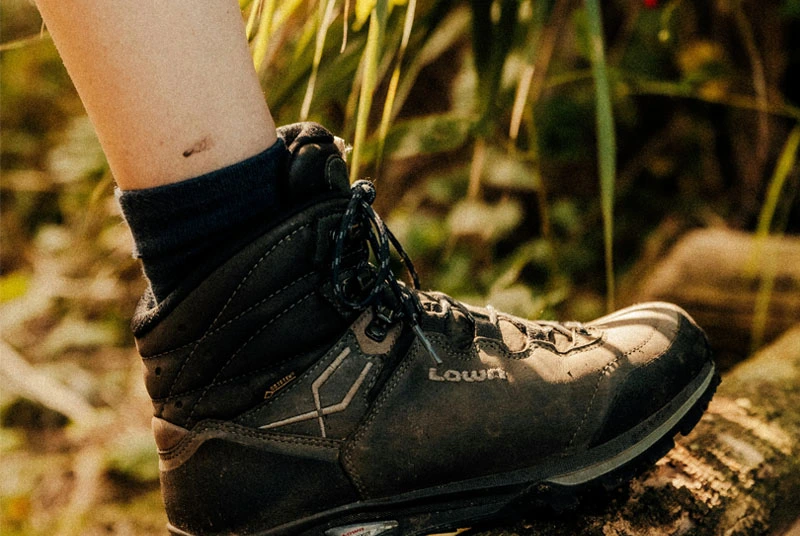
Merino wool is particularly useful for hiking because conditions can change quickly. For a broader look at wool sock materials and applications, see our wool socks guide. A suitable hiking sock needs to balance moisture management, cushioning, durability, and temperature regulation.
For summer hiking, lightweight or midweight constructions can work depending on the terrain, footwear, and wearer’s preference.
Running
Running socks generally benefit from lightweight construction, ventilation, secure fit, and minimal bulk.
A fine Merino blend can combine the natural comfort and moisture-management properties of wool with the durability and stretch needed for repeated movement.
Work boots
Summer work environments create a different challenge. Feet may remain inside safety or work boots for many hours, often in warm conditions.
Here, durability and cushioning become just as important as moisture management. A Merino blend with reinforced areas can be more suitable than an ultralight running construction
Why Are Brands Adding Merino Wool Socks to Summer Collections
Merino wool is no longer limited to winter collections.
For outdoor and performance brands, summer Merino socks can help:
Extend wool into year-round products
A lightweight Merino sock allows brands to use wool beyond traditional cold-weather products.
Serve multiple outdoor categories
Running, hiking, travel, camping, and outdoor work all create opportunities for summer Merino products.
Differentiate through materials
Merino wool gives brands another way to differentiate a sock through fiber selection and functional construction rather than design alone.
Build more specialized products
Different combinations of Merino, synthetic fibers, cushioning, ventilation, and sock weight allow brands to develop products for specific activities and markets.
How Can Brands Develop Custom Summer Merino Wool Socks
For brands developing a summer Merino sock, the most important decisions usually include:
- Yarn selection— Choose the appropriate Merino fineness and fiber blend.
- Sock weight — Determine whether the product should be lightweight, midweight, or more heavily cushioned.
- Ventilation— Add mesh or other breathable construction where appropriate.
- Cushioning— Match cushioning to the activity and footwear.
- Reinforcement— Strengthen high-wear areas such as the heel and toe when needed.
- Fit and stretch— Select the right construction and elastane content for secure fit.
- Branding— Add custom colors, patterns, logos, and packaging.
For B2B brands, the objective is not simply to make a “Merino wool sock.” It is to develop a sock whose material, construction, and performance match a specific customer and use case.
SockCN supports custom wool sock development, including material selection, custom designs, and OEM production.