
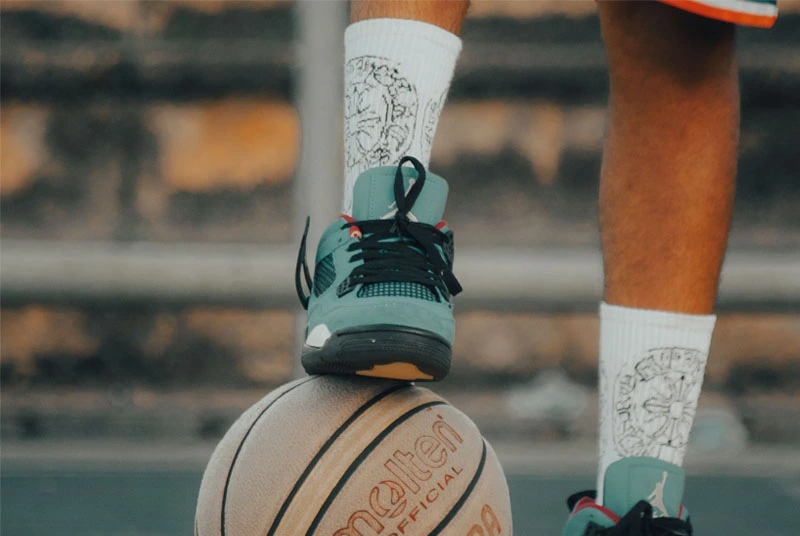
RUSH ORDER NEEDED? Get Custom Basketball Socks Fast Free artwork within 48 hours. Express shipping available. Made in China. Request a Free Sample → Fast turnaround custom basketball socks for tournaments and camps can help teams avoid last-minute delivery problems when event dates are fixed. Confirming your design, quantity, sizes, and deadline early—and choosing the right production and shipping options—can help shorten the overall turnaround time. Quick Overview Fast production: Suitable custom basketball sock orders can be completed in as little as 7 days. Plan ahead: Confirm your design, quantity, sizes, materials, and delivery deadline early to reduce delays. Rush orders: If your tournament or camp is approaching, provide your deadline and order details so the manufacturer can check the fastest available schedule. Faster shipping: Air express is usually suitable for small urgent orders, while sea shipping is more common for bulk orders. What Does Fast Turnaround Mean for Custom Basketball Socks For custom basketball socks, fast turnaround means completing the process from design approval and order confirmation to production and shipping in a short time. For teams with a fixed tournament or camp date, turnaround time depends not only on production speed, but also on design approval, material selection, order quantity, and shipping method. For suitable orders, custom basketball socks can be produced in as little as 7 days. If you need a custom design, we can also provide free artwork within 48 hours, helping you approve the design and move into production faster. What Can Slow Down a Custom Basketball Sock Order Several factors can affect the turnaround time of a custom basketball sock order, including order quantity, design complexity, material selection, sample revisions, and production season. Large orders may require more production time, while complex designs, special materials, or multiple rounds of revisions can also extend the schedule. Late order confirmation is another common cause of delays. If the design, quantity, sizes, or materials are not confirmed in time, production cannot start as planned. Production schedules may also become tighter during peak seasons, such as fall and winter. The fastest orders are usually those with the design, quantity, sizes, materials, and delivery deadline confirmed early. When Should You Order Custom Basketball Socks for a Tournament If your tournament or camp date is already confirmed, it is best to start preparing your custom basketball socks as early as possible. Confirming the design, quantity, sizes, and materials in advance gives more time for production and shipping and helps reduce the risk of delays close to the event. Time Before Tournament/Camp Recommended Action 6–8 weeks before Ideal time to start and confirm your requirements 4–6 weeks before Confirm the design, sizes, and order quantity 2–4 weeks before Complete production and arrange shipping Less than 2 weeks Contact the manufacturer immediately about rush production and the fastest shipping option These timeframes are general guidelines, not fixed requirements. Suitable orders may be completed faster depending on the production schedule. If your tournament date is already fixed, the earlier you confirm your order, the more production and shipping options you have. For urgent orders, tell the manufacturer your event date and required delivery date as soon as possible so they can confirm the fastest available schedule. How Can You Request a Rush Order If your tournament or camp is approaching and you need your custom basketball socks quickly, you can ask the manufacturer for a rush order. When contacting the manufacturer, provide the key order details upfront, including: Tournament or camp date Required delivery date Order quantity Sock sizes Design or logo Material and performance requirements Shipping destination Preferred shipping method Providing complete information helps the manufacturer quickly evaluate the production and shipping schedule and confirm whether your deadline can be met. For an urgent order, clearly state your deadline and ask about the fastest available production time and shipping option. If production capacity allows, the manufacturer may be able to adjust the production schedule to complete your order sooner. How to Make Custom Basketball Sock Orders Faster If you want your custom basketball socks to move into production faster, reducing design and communication time can help. Choosing an existing sock style and performance design, then customizing the material, colors, and logo to fit your needs, is usually faster than developing a completely new design from scratch. Choose an Existing Sock Style Customers can choose from existing basketball sock styles and performance features, then adjust them to match their team’s needs: Choose a sock style Select performance features Choose the material Change the colors Add your logo This can reduce design communication and development time, allowing the order to move into production faster. Keep Your Team Design on File for Reorders Once your team design and sample are confirmed, we can keep the design and sample information on file. When you reorder, you do not need to start the design process again, which can help speed up production. This is especially useful for: New players joining the team Additional pairs Repeat tournament or camp orders Different team divisions School teams, reserve teams, youth sizes, and fan versions can also be coordinated within the same order while keeping the colors and design consistent. How Long Does It Take to Make Custom Basketball Socks Custom basketball socks typically take 7–15 days to produce, depending on order quantity, design complexity, material selection, and the factory’s production schedule. Large orders may require more time, and production can take longer during peak seasons such as fall and winter. For suitable orders, production can be completed in as little as 7 days. For urgent orders, let us know your tournament or camp deadline in advance. We can coordinate with the factory based on the production schedule and confirm whether a faster turnaround is available. The final lead time will depend on the specific order and production conditions. What Are the Fastest Shipping Options Shipping is another important part of the overall turnaround time. Customers can choose a suitable shipping method based on order quantity, destination, and delivery deadline, or work with their
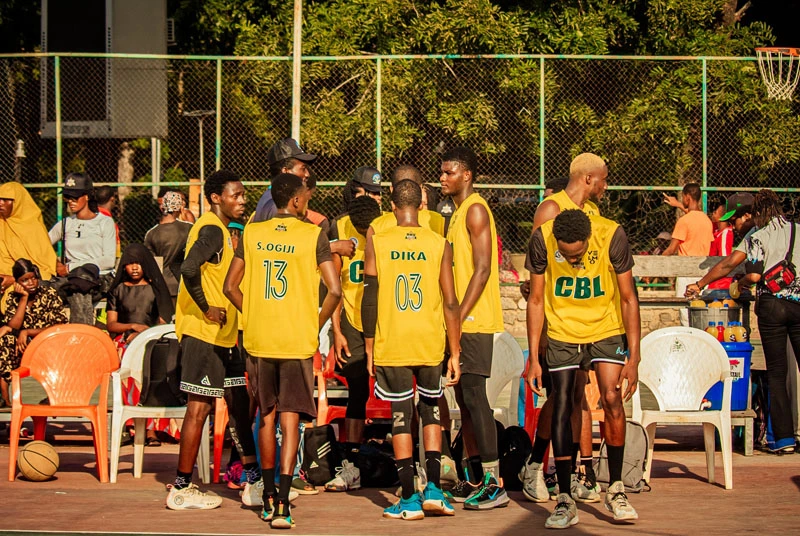
A Guide to Ordering Custom Basketball Socks for Youth and Adult Teams
When ordering bulk custom basketball socks for youth and adult teams, there is more to consider than team colors and logos. Performance, sizing, material selection, order quantity, and delivery time all need to be confirmed before production. Whether you choose an existing sock style or want to develop a custom design based on your team's requirements, the right basketball socks should balance team identity with on-court performance. This guide covers design, performance and materials, the customization process, quote requirements, youth and adult sizing, MOQ, samples, and lead times to help you plan your bulk custom basketball sock order more efficiently. Quick Overview Custom basketball socks can be customized with team colors, logos, patterns, sock styles, and different design methods such as knitting or printing. Basketball teams should prioritize moisture management, breathability, cushioning, arch support, and durability when choosing sock materials and construction. Youth and adult teams can use the same custom design while ordering different sizes and quantities based on their players. A bulk quote should include the team type, number of teams, player sizes, total quantity, design requirements, delivery date, and shipping destination. Sockcn's standard MOQ is 100 pairs, with custom samples taking about 3 days when materials are in stock and bulk production typically taking 3–5 weeks after sample approval. What Are Custom Basketball Socks? Custom basketball socks are made to meet specific team or brand requirements, including sock style, colors, patterns, logos, sizing, and performance features. Unlike standard basketball socks, custom styles can be created by modifying an existing sock style or developing a design based on your requirements. For youth teams, adult teams, school teams, AAU programs, and amateur leagues, custom basketball socks need to balance team colors and branding with comfort, breathability, moisture management, cushioning, support, and durability. For bulk orders, sizing and quantity also need to be planned carefully so the final socks match the team's actual needs. Custom Basketball Sock Designs Custom basketball socks can start with an existing sock style or be developed according to your team's specific requirements. If you already have a design in mind, you can provide reference images, a preferred sock style, or artwork. If you don't have a complete design yet, you can start with a suitable base style and adjust it to fit your team's needs. Common customization options include: Colors: Choose the main and accent colors based on your team colors, uniforms, or brand palette. Logos & Patterns: Add team logos, brand marks, stripes, patterns, or other visual elements. Sock Style & Details: Select details such as sock height, cuff design, and cushioning areas based on your needs. Sizes & Quantities: Determine the quantity needed for each size based on the players on your youth or adult team. Custom Basketball Sock Design Methods Knitted Customization Printed Customization How It Works Colors, logos, and designs are knitted directly into the sock Designs are printed onto the sock surface Best For Team colors, logos, stripes, text, and simple patterns Gradients, detailed graphics, illustrations, and complex designs Durability High; the design is integrated into the sock Depends on the printing process and quality Appearance Design is integrated with the sock Allows for more detailed graphics MOQ 100 pairs 100 pairs Best For Regular training, games, and long-term team use Tournaments, events, and designs with more visual detail Note: The MOQ may be higher when special yarns are required. If you're not sure where to start, you don't need to develop the design from scratch. Tell us your team type, intended use, preferred colors, order quantity, and required delivery date, and we can help you choose a suitable sock style and design direction. Basketball Sock Performance & Materials A good basketball sock needs to balance moisture management, breathability, support, cushioning, and durability. Basketball involves frequent running, jumping, and quick changes of direction, so sock construction and materials can directly affect comfort and performance. Common performance features include: Moisture Management: Performance fibers such as polyester and nylon help move sweat away from the skin and reduce a damp feeling. Breathability: Breathable knit areas help improve airflow and reduce overheating. Arch Support: Elastic structures help the sock stay securely in place and provide support around the foot. Cushioning: Extra cushioning in the heel, toe, and sole areas can improve comfort and reduce friction. Durability: Reinforced areas in high-wear zones help extend the life of the socks. Different teams may have different requirements. Training socks can focus more on comfort and durability, while game socks may need to combine performance features with team colors, logos, and other design elements. Custom basketball socks can use different yarns and fiber blends depending on the intended use, balancing comfort, performance, durability, and cost. Material / Blend Moisture Management Durability Comfort Best For Polyester / Nylon Blend Excellent Excellent Good Most team training and games Cotton / Polyester Blend Good Good Excellent Low-intensity sports and recreational leagues Performance Polyester Excellent Good Excellent High-intensity training and games Merino Wool Blend Excellent Good Excellent Temperature regulation and premium comfort Bamboo Blend Good Good Excellent Teams prioritizing softness and comfort Need help choosing the right material or fiber blend? Tell us your team type, intended use, and performance requirements, and we can help you select a suitable material combination. What to Include in Your Quote Request When requesting a quote for bulk custom basketball socks, providing a few key details helps the manufacturer understand your requirements and prepare a more accurate quote. Information What to Provide Team Type Youth team, adult team, AAU, school, club, amateur league, tournament, or camp Number of Teams How many teams need custom socks Players per Team Approximate number of players on each team Total Order Quantity Total number of pairs needed Player Sizes Size breakdown and quantity for each size Custom Design Logo, team colors, patterns, artwork, or reference images Required Delivery Date When you need the socks delivered Shipping Destination Country, state, or city where the order will be delivered Not sure about some of the details? Send us what you have, and we can help
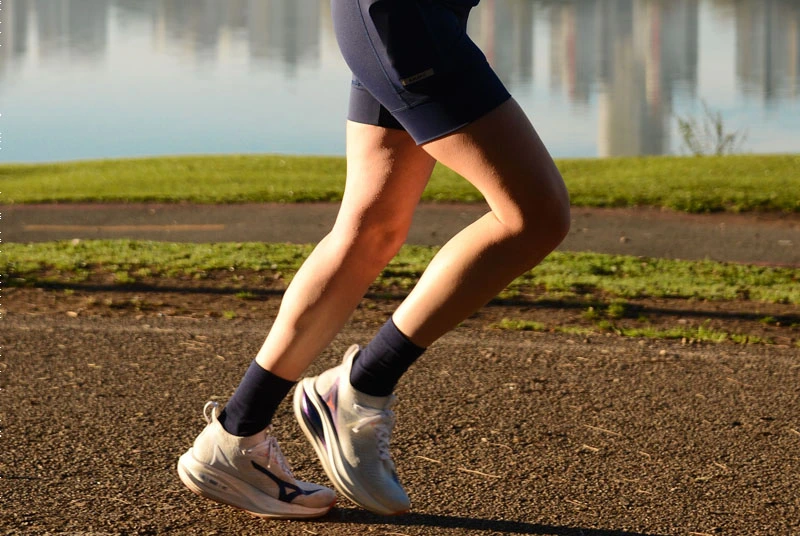
Running Socks Factory Quality Control: What Brands Should Check
For running socks, quality control goes beyond appearance and basic workmanship. Brands need to check how a factory controls materials, performance, and consistency from sampling through bulk production. Quick Overview When choosing a running socks factory, brands should evaluate more than the final appearance of the product. Key quality control areas include: Material inspection: Verify fiber composition, yarn quality, certifications, and material traceability. Sample evaluation: Check fit, construction, comfort, and performance before bulk production. Laboratory testing: Verify shrinkage, abrasion resistance, colorfastness, fiber composition, and compression performance when required. Production quality control: Ensure the factory performs inspections throughout knitting, production, and final packaging. Factory capability: Review production capacity, MOQ, lead time, and relevant certifications. What Quality Control Means for Running Socks Quality control for ordinary socks usually focuses on appearance, sizing, and basic workmanship, such as color consistency, correct logo placement, and visible defects. For running socks, however, these are only the basic requirements. Running socks need to deliver consistent performance during activity, so brands should also pay attention to moisture management, fit, durability, material performance, and functional construction. For example, whether the toe seam causes irritation, whether the arch feels too tight, whether the socks shrink after washing, and whether the elasticity remains consistent can all directly affect the wearer's experience. Check the Materials First Running sock performance starts with the yarn. Before approving samples, brands should verify the fiber composition, yarn quality, and batch consistency instead of looking only at the appearance of the finished socks. Key areas to check: Fiber composition: Confirm that the actual fiber content matches the tech pack and product label. Yarn consistency: Make sure yarn thickness, strength, and performance remain consistent across batches. Color consistency: Make sure yarn colors remain consistent between batches to avoid color differences in bulk production. Material traceability: Understand the yarn source and supplier so the material can be traced when needed. For products with higher material safety or sustainability requirements, brands can ask the factory for relevant certifications or test documents, such as OEKO-TEX® Standard 100, third-party laboratory test reports from Intertek or similar testing organizations, and applicable RWS / RAS certifications. For high-performance natural fibers such as Merino wool and alpaca, don't rely on the factory's claims alone. Ask to see the relevant material documentation or certifications to confirm that the materials used match the product specifications. Test the Running Sock Sample Before Production Don't judge a sample by appearance alone. Before mass production, brands should check the sample against the tech pack for size, construction, color, and overall fit. For running socks, it's also worth wearing the sample for a full day to check: Seam irritation: Does the toe seam or other stitching cause friction or discomfort? Arch tightness: Does the arch feel too tight or restrictive after extended wear? Heel fit: Does the sock stay in place while walking or running? Toe fit: Is there enough room without squeezing or rubbing? Moisture-wicking feel: Does the sock stay relatively dry during activity? Long-term comfort: Does it remain comfortable after several hours of wear? A sock that looks perfect on the table may feel completely different after several hours inside a running shoe. Ask for the Right Lab Tests For running socks, laboratory testing helps brands verify product performance instead of relying only on appearance checks. Common tests include: Shrinkage after washing: Confirm that the sock size and shape remain stable after washing. Abrasion resistance: Evaluate how well the socks perform under repeated friction and long-term wear. Colorfastness: Check whether colors remain stable after washing, rubbing, or exposure to sweat. Fiber composition: Verify that the actual material content meets the product requirements. For compression running socks, brands should also verify the actual compression level and pressure distribution to ensure they meet the intended specifications. Different types of running socks require different testing priorities. Brands should choose suitable tests based on the materials, construction, and performance requirements of the product. Factory Capability: For performance socks with compression requirements, Sockcn can provide pressure testing support during both sampling and bulk production to help verify product performance. We also use different knitting configurations, including 96, 108, 144, 168, and 200 needles, depending on the required fit, structure, and performance needs of each running sock design. Check Quality During Production Quality control should not rely only on final inspection. For running socks, a reliable factory should conduct in-process checks during bulk production to ensure that the final products remain consistent with the approved sample. Key areas to check include: Knitting consistency: Check stitch density, sock construction, and dimensions during production to ensure they meet the design requirements. Elasticity control: Make sure areas such as the cuff and sock body maintain consistent stretch and recovery. Construction accuracy: Verify that the heel, toe, and other functional areas are produced according to the specifications. Defect inspection: Identify issues such as broken yarns, missing stitches, or knitting defects before they move to the next stage. During final inspection, the factory should also check: Pairing and sizing: Ensure left and right socks are correctly matched and sizes are accurate. Appearance quality: Check color, knitting quality, and overall appearance. Defect rate control: Confirm that product quality meets the agreed standards. Packaging accuracy: Verify labels, packaging methods, and carton quantities. Continuous quality checks throughout production help brands reduce the risk of differences between approved samples and bulk production. Check the Factory's Capacity Before placing an order, brands should also understand whether a factory has the capacity to support their production needs. Ask the factory: What's your monthly capacity? What's the MOQ per design? What's your usual lead time? Can you scale repeat orders? How do you handle peak season? A reliable running socks factory should be clear about what it specializes in instead of claiming it can produce every type of sock equally well. Verify Certifications and Factory Compliance For many brands, especially those selling in North America and Europe, certifications and compliance are important parts of supplier evaluation. Brands can check: Material certifications: Such as RWS (Responsible
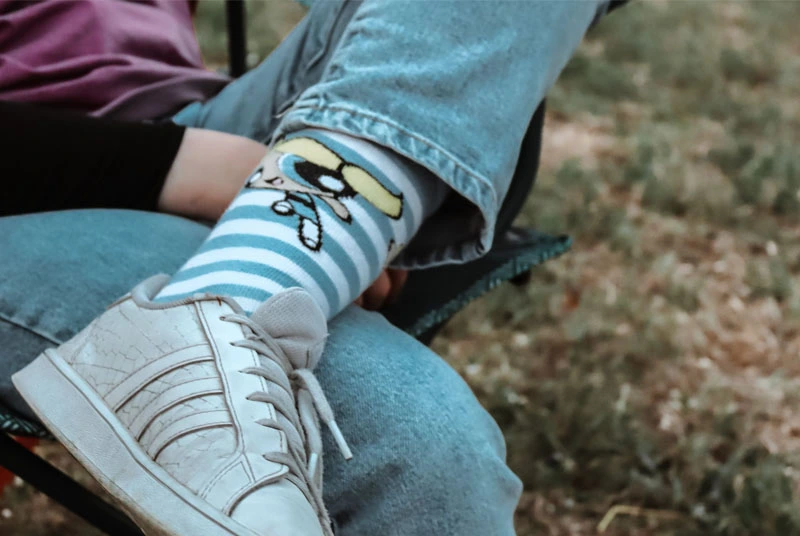
What Are Custom Casual Socks? A Complete Guide
Custom casual socks combine everyday comfort with personalized designs, allowing unique patterns, colors, materials, and branding elements to be created for different needs. In this guide, we will explore the types, customization options, materials, and production process behind custom casual socks. Quick Answer Custom casual socks are everyday socks designed with customized elements such as colors, patterns, logos, materials, or branding details. Unlike standard casual socks, they allow brands to create unique lifestyle products that match their identity and target customers. They are commonly used by fashion brands, retailers, private label companies, and businesses to develop custom sock collections, promotional products, or branded merchandise. What Are Custom Casual Socks? To explain what custom casual socks are, they can be described as everyday lifestyle socks that are customized according to specific product needs.The term custom casual socks mainly highlights two key aspects: Custom refers to the ability to personalize sock designs, colors, patterns, logos, and materials according to specific requirements. Casual refers to everyday and lifestyle use, where comfort, appearance, and style are more important than specialized performance. Unlike performance socks, medical socks, or work socks that are designed for specific functions, custom casual socks focus more on comfort, visual appeal, and personal or brand expression. How Are Custom Casual Socks Customized? Custom casual socks can be customized through different design methods and production techniques. The two most common options are Jacquard and Printed socks. These two methods create different visual effects, color expressions, and levels of design flexibility. Custom Jacquard Socks Custom Jacquard socks are created by knitting different colored yarns directly into the sock structure, allowing the design to become part of the sock itself. Key features: Designs are knitted directly into the sock for a textured and three-dimensional appearance Ideal for logos, stripes, geometric patterns, and repeating designs Provides a more natural feel and durable finish for everyday wear Custom Printed Socks Custom Printed Casual Socks are created by applying artwork onto the sock surface through printing techniques, allowing for more detailed and colorful designs. Key features: Supports more colors and detailed artwork Suitable for complex patterns, illustrations, gradients, and multi-element designs Provides more accurate reproduction of the original artwork Jacquard vs Printed Custom Casual Socks Jacquard Printed Customization method Designs are knitted into the sock using colored yarns Designs are printed onto the sock surface Design effect Textured, dimensional appearance Rich colors with more detailed graphics Best for Logos, stripes, and simple patterns Illustrations, complex artwork, and multi-color designs Main advantage Premium texture and durability Greater design flexibility Know More Details About Cusotm Pattern Socks Why Do Brands Choose Custom Casual Socks? Custom casual socks provide brands with a flexible way to turn their design concepts into actual products. Compared with standard socks, brands can customize colors, patterns, logos, and materials to create unique sock collections that match their brand identity and target market. For fashion brands, lifestyle brands, and retailers, custom casual socks can help expand product lines, develop branded collections, and create more distinctive everyday products for customers. Who Buys Custom Casual Socks? Custom casual socks are commonly developed by brands, retailers, and businesses that want to create unique sock products for their customers. Unlike standard socks, these products allow buyers to customize designs, materials, and branding elements to match their market positioning. Fashion Brands Fashion brands often develop custom casual socks as part of their apparel collections, using unique patterns, colors, and materials to complement their overall style. Lifestyle & Outdoor Brands Lifestyle and outdoor brands create custom socks as an extension of their product lines, combining distinctive designs with materials that match their brand identity. Retailers & Private Label Brands Retailers and private label companies use custom casual socks to build exclusive product collections with customized designs, packaging, and branding. Ecommerce Brands Online brands use custom casual socks to launch differentiated products, test new collections, and compete in niche markets. How Are Custom Casual Socks Made? Custom casual socks go through several stages from the initial design concept to the final product, including design confirmation, material selection, sample development, bulk production, and quality inspection. Design Confirmation Custom sock production usually starts with design confirmation. Customers provide their requirements, including patterns, colors, logos, sock styles, and other branding elements. The manufacturer then reviews the design details and determines the appropriate production method to achieve the desired result. Material Selection For most custom casual socks, cotton blends are one of the most common choices because they offer a good balance of comfort, durability, and cost-effectiveness. Depending on product positioning and target markets, brands can also choose other materials such as bamboo, Merino wool, or alpaca wool. Sample Development Before moving into bulk production, a sample is usually developed to confirm the design, colors, size, and overall quality of the socks. This allows brands to review the final product and make adjustments before production begins. Factory Insight For existing quality samples, we can provide samples quickly for customer evaluation. For custom designs, if the required materials are in stock, sample development can usually be completed within around 3 days. Depending on shipping time, customers can typically receive the samples within about one week. Production & Quality Control After sample approval, the socks move into bulk production, including knitting, linking, finishing, and packaging. During production, quality checks are carried out to ensure consistency in size, colors, design details, and overall product quality. Common Materials for Custom Casual Socks Custom casual socks are commonly made with cotton blends, as they provide a good balance of comfort, durability, and cost for everyday products. Depending on the product positioning, brands can also choose materials such as bamboo fiber, Merino wool, or alpaca wool to create different styles and market positioning. Cotton Blends The most common choice for custom casual socks, offering softness, comfort, and good durability for everyday wear. Bamboo Fiber A popular option for brands looking for a softer and more premium-feeling casual sock. Merino Wool & Alpaca Wool Often used for higher-end lifestyle socks, adding a premium material appeal and
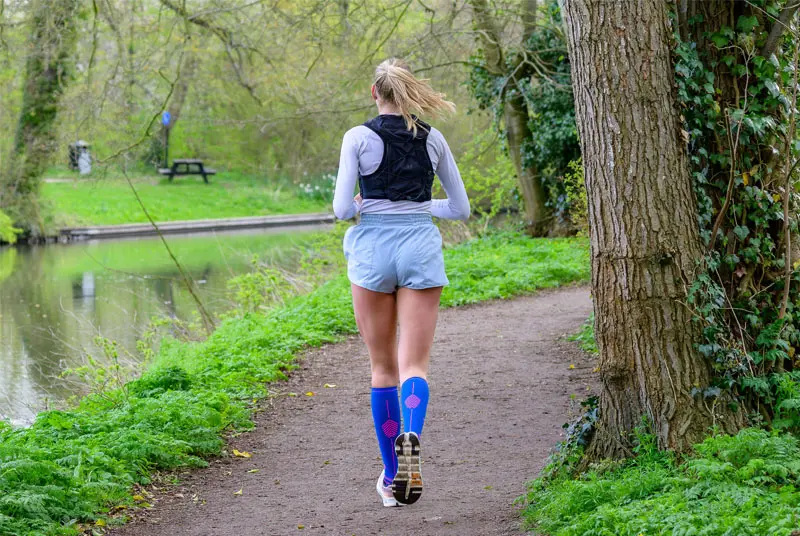
Custom Compression Socks Guide: Development, Materials & OEM Solutions
Custom compression socks do not refer to just one type of product. Based on different applications and performance requirements, custom compression socks generally fall into two categories: one uses graduated compression technology, where different areas of the sock provide varying levels of pressure for recovery, wellness, and everyday wear; the other uses targeted compression structures in performance socks, such as arch compression and support zones, to improve fit, stability, and performance during activities. Understanding the differences between these compression sock types helps brands choose the right solution for their market needs. Quick Overview Custom compression socks are developed for different applications, from graduated compression products for wellness, recovery, and specialized markets to athletic compression socks for sports and performance use. This guide explains the key aspects of custom compression sock development, including compression types, materials, knitting structures, functional zones, compression levels, and how to choose a reliable OEM compression socks manufacturer for your project. What Are Custom Compression Socks? Custom compression socks are performance-oriented sock products developed based on the specific requirements of brands, teams, and wholesale buyers. In addition to branding elements such as colors, logos, patterns, and packaging, manufacturers can customize the compression structure, knitting techniques, material blends, and support zones to meet different product goals. Unlike regular socks that mainly focus on comfort and everyday wear, compression socks use elastic fibers and specialized knitting structures to create targeted pressure or support in different areas of the sock, improving fit, stability, and overall wearing experience. Depending on the design purpose and application, custom compression socks generally fall into two categories: graduated compression socks, which use different pressure levels from the ankle upward to provide structured compression support, and athletic compression socks, which incorporate features such as arch compression and targeted support zones to improve fit and stability during activities. Types of Compression Socks Although both products are commonly referred to as custom compression socks, they are developed for different purposes and require different manufacturing approaches. Based on their compression design and intended applications, custom compression socks can generally be divided into two main categories: Graduated Compression Socks and Athletic Compression Socks. Type Key Features Typical Applications Graduated Compression Socks Designed with graduated pressure, usually measured in mmHg, with higher compression around the ankle that gradually decreases upward. Product development focuses on pressure distribution, compression levels, sock length, and pressure testing requirements. Wellness brands, recovery product brands, travel sock brands, and medical-related suppliers Athletic Compression Socks Incorporate targeted compression zones within the sock knitting structure, such as arch compression and ankle support, to improve fit, reduce slipping, and enhance stability and comfort during activities. Sports brands, running and cycling brands, sports teams, fitness programs, and corporate wellness projects Factory Insights: Manufacturers specializing in athletic compression socks may not always have the expertise required for graduated compression socks. These two categories require different approaches to pressure control, knitting structures, and testing standards. At Sockcn, we support different compression sock developments with multiple knitting configurations, including 96, 108, 144, 168, and 200 needle options. For compression sock projects, our dedicated testing laboratory provides pressure testing support during sampling and bulk production to help ensure consistent product performance. Who Buys Custom Compression Socks? Custom compression socks are developed for a wide range of brands and organizations, including sports brands, teams, wellness companies, and specialized product suppliers. Different buyers have different requirements depending on their target market and product positioning. Sports brands and performance sock companies often develop compression socks for running, cycling, training, and outdoor activities. They focus on features such as targeted compression zones, arch support, comfort, and functional materials. Sports teams and clubs may create custom compression socks with team colors and logos for training, competitions, and promotional use. Wellness and recovery brands develop compression socks for everyday comfort, travel, and recovery-focused products. Medical-related suppliers typically require graduated compression socks with specific pressure levels, testing requirements, and market compliance standards. How Do Custom Compression Socks Provide Compression? The compression of socks is not created simply by adding more elastic fibers. Instead, it is determined by a combination of yarn tension, elastic material ratio, and knitting structure design. Manufacturers adjust knitting parameters in different areas of the sock to create the desired level of compression and support where needed. The main factors that contribute to compression performance include: Elastic Fiber Content The percentage, tension, and distribution of elastic yarns affect the sock’s stretch recovery and compression strength. Different product requirements require different material combinations to achieve the desired fit, support, and compression performance. Knitting Density Manufacturers can adjust the knitting density in specific areas, such as the arch, ankle, or support zones, to create tighter structures that provide additional compression without relying on external elastic bands. Knitting Structure Patterns Different knitting structures influence pressure distribution and wearing comfort. For example, ribbed structures, reinforced zones, and functional knitting patterns can help distribute compression more evenly while improving the sock’s stability and overall comfort. Key Factors When Developing Custom Compression Socks When developing custom compression socks, brands need to consider several key factors that influence product performance, comfort, and market positioning, including compression level, sock length, material selection, and knitting structure. Compression Level (mmHg) For graduated compression socks, the compression level is measured in mmHg (millimeters of mercury), which indicates the amount of pressure applied by the sock. Compression Level Common Applications 8–15 mmHg Light support products for everyday comfort, travel, and lifestyle applications 15–20 mmHg Recovery socks, travel compression socks, and products designed for extended standing or activity 20–30 mmHg Firm compression products for higher-support applications 30+ mmHg Specialized compression products requiring stricter pressure control and testing Sock Length Sock length affects the compression coverage, wearing comfort, and product positioning. For graduated compression socks, knee-high length is the most common design, as it provides compression coverage from the ankle through the lower leg. Common length options include: Knee-high compression socks – the standard choice for graduated compression products Shorter compression socks – designed for users who prefer less coverage or want to
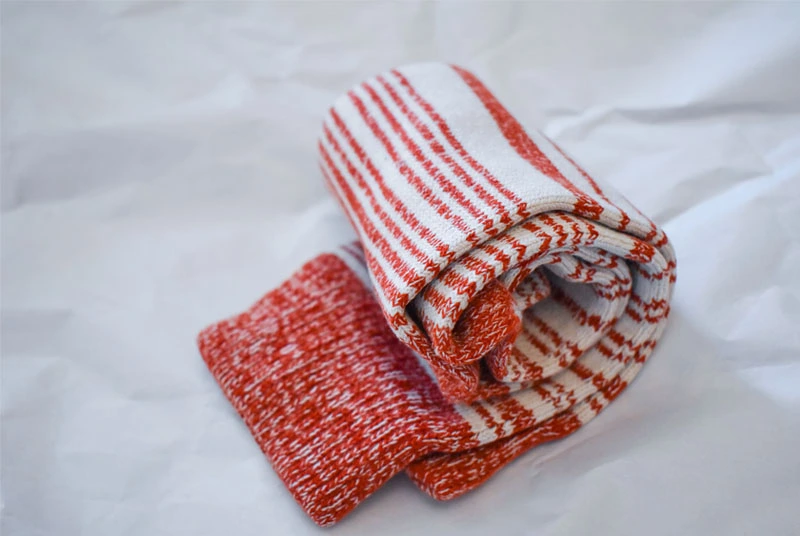
Acrylic Socks vs Wool Socks: Which Is Better?
Acrylic socks and wool socks are both popular choices for warmth, but they differ significantly in warmth, breathability, moisture management, durability, price, and environmental impact. Acrylic is a lightweight, affordable synthetic fiber that offers excellent color options, while wool is known for its warmth, temperature regulation, and moisture-management properties. So, which is better—acrylic socks or wool socks? The answer depends on the intended use, performance requirements, and budget. In this guide, we’ll compare the two materials across several key factors to help you choose the right option for your socks. Quick Overview Acrylic socks are lightweight, warm, affordable, and excellent for bright colors and everyday winter wear. Wool socks generally offer better moisture management, breathability, and temperature regulation, making them well suited to cold weather and outdoor activities. For sweaty feet, wool is generally the better choice because it can absorb and manage moisture more effectively than acrylic. For durability and cost, acrylic can be more economical, while wool socks often benefit from blends with nylon or other fibers to improve abrasion resistance and lifespan. For custom socks, the best choice depends on the product’s intended use, target price, and performance requirements. Acrylic, wool, or a blend can each be appropriate depending on the application. In short: Acrylic is a practical choice when affordability, warmth, and color flexibility are priorities, while wool is generally better when moisture management, temperature regulation, and outdoor performance are more important. What Are Acrylic Socks? Acrylic socks are made with acrylic fiber, a synthetic fiber commonly used in clothing, knitwear, and socks. In sock manufacturing, acrylic can be used on its own or blended with other fibers to create different yarn compositions and product characteristics. Acrylic is particularly common in everyday socks, warm socks, and winter socks. Are Acrylic Socks Good? Acrylic socks are not necessarily a bad choice. Whether they are suitable depends largely on the intended use and performance requirements. For everyday wear and general warmth, acrylic can provide adequate comfort and insulation. However, if socks need to handle sweaty feet, cold outdoor conditions, or higher demands for moisture management and temperature regulation, acrylic and wool should be compared more closely in terms of their performance. What Are Wool Socks? Wool socks are made from wool fiber, a natural animal fiber known for its warmth, breathability, and temperature-regulating properties. Unlike materials that mainly rely on insulation to keep feet warm, wool can help regulate temperature and moisture around the feet, making it suitable for cold weather, outdoor activities, and other situations where comfort is important. In sock manufacturing, wool can be used on its own or blended with fibers such as nylon, acrylic, polyester, or elastane to adjust the socks’ durability, stretch, comfort, and overall performance. Are Wool Socks Good? Wool socks are particularly well suited to cold weather, outdoor activities, and people whose feet tend to sweat. Wool can absorb and manage moisture while helping regulate temperature, which can reduce moisture buildup around the feet while providing consistent warmth. However, wool is generally more expensive than synthetic fibers such as acrylic, and pure wool does not always offer the highest abrasion resistance. For this reason, wool blends are often used in sock manufacturing to achieve a better balance of warmth, comfort, durability, and cost. Are Acrylic Socks as Good as Wool Socks? Acrylic is often seen as a lower-cost alternative to wool, but the two materials are not simply a matter of “cheaper” versus “better.” Acrylic has its own advantages. It is lightweight, soft, warm, and takes color extremely well. For winter fashion socks, colorful patterned socks, and price-sensitive products, acrylic can sometimes be the better choice. Wool, on the other hand, is better at handling cold temperatures, moisture, and changes in temperature, especially in outdoor and performance applications. Warmth Acrylic is actually quite good at keeping feet warm. Its fluffy fibers can trap air and create an insulating layer, so a well-made acrylic sock can provide plenty of warmth for everyday winter wear. In truly cold conditions, however, wool generally has the edge. The natural structure of wool fibers creates tiny air pockets that help reduce heat loss while also regulating temperature around the feet. Moisture Management & Breathability If your feet tend to sweat, this may be more important than warmth alone. Acrylic has relatively low moisture absorption, so it does not manage moisture in the same way wool does. For people with sweaty feet, acrylic socks may feel warmer and more humid, particularly during extended wear. Wool can absorb and manage a certain amount of moisture while helping regulate temperature. That is one reason wool socks are so popular for hiking, skiing, camping, and other outdoor activities. Durability Acrylic offers good durability, but it also has a common drawback: it can be prone to pilling over time. Wool is not automatically more durable than acrylic, either. Fine, soft wool fibers can also be vulnerable to abrasion, especially with frequent use. That is why, in commercial sock manufacturing, it often makes more sense to consider the right blend rather than simply choosing between 100% wool and 100% acrylic. Adding nylon, for example, can improve the abrasion resistance and lifespan of wool socks. A wool-acrylic blend can also create a useful balance between warmth, softness, cost, and durability. Price & Budget If cost control is a priority, acrylic is clearly more attractive. It can provide a soft, warm feel at a relatively low material cost, making it suitable for mass-market products, winter fashion socks, and products that need to be manufactured at scale. Wool, especially Merino wool, generally costs more. But for outdoor brands, performance sock brands, or higher-end products, customers are not simply paying for warmth. They are also paying for temperature regulation, moisture management, and the feel of a natural fiber. For brands, the real question is not simply “Is wool more expensive?” It is whether the performance and product positioning that wool provides justify the additional cost. Color Selection This is one of acrylic’s advantages that is
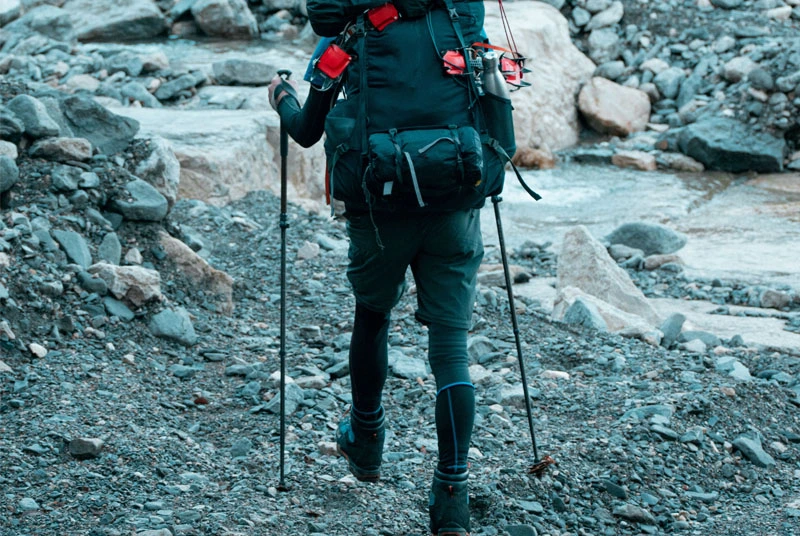
Best Compression Socks for Hiking: Materials, Features & Customization Guide
Hiking is an outdoor activity that puts continuous stress on the feet and legs. Long hours of walking, uneven terrain, foot friction, moisture buildup, and muscle fatigue can all affect comfort and endurance during a hike. Compression hiking socks use graduated compression to provide additional support for the legs, helping promote circulation, reduce fatigue during extended hikes, and improve overall wearing comfort. This guide explores what makes high-performance compression hiking socks suitable for different hiking scenarios, covering materials, functional design, and customization options for brands. Quick Overview Best compression hiking socks should balance: Compression Support:Graduated compression helps provide leg support and improve comfort during long-distance hiking. Functional Materials:Merino wool, alpaca blends, nylon, and other fiber combinations offer different benefits in warmth, moisture management, durability, and comfort. Durability & Construction:Reinforced heel and toe areas, abrasion-resistant materials, and optimized seam designs help socks withstand outdoor wear. Cushioning Design:Targeted Cushion and Full Cushion options provide different levels of protection for various hiking conditions. Customization Options:Brands can customize materials, compression levels, cushioning, sizing, and knitting structures to develop their own compression hiking socks. What Makes Good Hiking Socks? Good hiking socks needs to meet multiple demands during long outdoor activities. During hiking, socks are constantly exposed to friction, repeated impact, and moisture. They need effective moisture management to help keep feet dry, durable materials and construction to improve longevity, proper cushioning to reduce foot impact, and a comfortable fit with well-designed seams to minimize irritation and discomfort. In addition to material selection, the knitting structure also plays an important role in hiking sock performance. Different needle counts affect fabric density, elasticity, durability, and overall wearing comfort. Reinforced heel and toe areas, combined with different cushioning designs, allow socks to meet the needs of various hiking scenarios, from lightweight day hikes to long-distance trekking and challenging outdoor environments. Factory Insights: Sockcn offers different knitting configurations, including 96, 108, 144, 168, and 200 needles, allowing brands to develop a wide range of hiking socks, from lightweight outdoor socks to high-performance hiking socks based on their product positioning. What Are Compression Hiking Socks? Compression hiking socks are socks that combine the support benefits of compression technology with the functional requirements of hiking socks. They usually use graduated compression, with tighter pressure around the ankle that gradually decreases toward the calf, helping provide support during long periods of walking and outdoor activities. Compared with regular hiking socks, compression hiking socks focus not only on moisture management, durability, and comfort, but also on leg support and wearing stability. They are commonly used by hikers who spend long hours on the trail, especially during long-distance hikes, multi-day trekking, or activities that require extended periods of standing and movement. What Makes the Best Compression Hiking Socks? The best compression hiking socks need to balance compression support, material performance, durability, cushioning, and wearing comfort based on the demands of hiking environments. Proper Compression Level Compression level is one of the key differences between compression hiking socks and regular hiking socks. Different pressure levels are designed for different users and situations. Lightweight compression is suitable for daily activities and extended wear, while higher compression levels are often preferred for activities that require stronger support, such as long-distance hiking. For example, Sockwell uses 20–30 mmHg firm compression, combining leg support with the comfort of a merino wool blend. Comrad uses 15–25 mmHg moderate compression, focusing more on comfort for everyday wear, travel, and long periods of activity. Functional Material Combination Material selection directly affects the comfort, breathability, and durability of compression hiking socks. High-performance compression socks usually combine multiple fibers to achieve a balance between different performance requirements. For example: Merino Wool Blend: Sockwell uses a blend of merino wool, bamboo fiber, nylon, and elastane. Merino wool helps regulate temperature and control odor, nylon improves abrasion resistance, and elastane provides stretch and compression recovery, making it suitable for long outdoor activities. Nylon + Elastane Blend: Go2Socks and Comrad use this combination to create lightweight designs with a close fit and stable compression, making them suitable for users who prefer lightweight performance gear. Soft Fiber Blends: Wellow focuses more on softness and warmth, using comfortable fiber combinations to provide a softer wearing experience. Durability and Construction Hiking environments continuously test sock durability. During long hours of walking, socks are exposed to friction inside shoes, moisture, heat, and repeated impact. High-quality compression hiking socks often reinforce high-wear areas such as the heel and toe while optimizing seam construction to reduce friction and extend product lifespan. For example, Comrad improves durability by reinforcing the toe and heel areas. Cushioning Design During hiking, the heel and forefoot experience repeated impact, making cushioning an important part of long-term wearing comfort. Targeted Cushion: Adds protection to high-impact areas such as the heel and forefoot while maintaining a lightweight design. Full Cushion: Provides more overall comfort and protection, making it suitable for long-distance hiking and colder environments. For example, Go2Socks focuses on a lightweight and close-fitting design, reducing extra bulk for users who prefer minimal hiking gear. Sizing and Fit Compression socks need to maintain a stable fit during extended wear. Different sock heights, sizing options, and constructions allow brands to meet the needs of different customer groups. A loose fit may cause slipping and friction, while excessive tightness can affect comfort. For example, Vim & Vigr offers more choices in materials, compression levels, and sizing options to serve different users. Bombas improves everyday comfort through a shorter sock length, reducing the restrictive feeling often associated with traditional compression socks. How Brands Can Customize Compression Hiking Socks Brands can customize compression hiking socks based on their target market, product positioning, and customer needs. Options include material combinations, compression levels, cushioning structures, sock length, sizing, and fit. For example, Merino wool blends are suitable for premium outdoor products focusing on warmth and comfort, while Alpaca fiber blends can help brands create differentiated performance socks with a softer feel and lightweight warmth. Different hiking scenarios also require different designs. Brands can choose Targeted Cushion

Alpaca Compression Socks: Benefits, Applications & Sourcing Guide
As the performance sock market continues to evolve, brands are looking for materials that offer both functionality and product differentiation. Alpaca compression socks, also known as alpaca wool compression socks, combine compression technology with the natural benefits of alpaca fiber, including lightweight warmth, moisture management, and softness. This guide explores the benefits, applications, and key sourcing considerations for developing alpaca compression socks. Quick Overview Alpaca compression socks combinecompression technology with the natural advantages of alpaca fiber, offering lightweight warmth, softness, and moisture management for premium functional sock applications. Brands are exploring alpaca compression socks as a way to create differentiated products in growing markets such as outdoor, travel, sports recovery, and wellness. The right alpaca compression socks manufacturer should provide both alpaca fiber expertise and compression sock production capabilities, including yarn selection, pressure testing, and quality control. Alpaca and merino wool compression socks serve different market positions, with alpaca offering a unique premium fiber story for brands seeking product differentiation. Custom alpaca compression socks development requires the right balance of material selection, sock construction, compression performance, and manufacturing experience. What Are Alpaca Compression Socks? Alpaca compression socks are functional socks that combine alpaca fiber with compression technology. By applying targeted pressure through different areas of the sock, they provide enhanced support and comfort while utilizing the natural benefits of alpaca fiber, including lightweight warmth, moisture management, and softness. Compared with traditional compression socks that often use synthetic fibers or merino wool, compression socks made from alpaca wool offer brands a more premium and differentiated material option for developing high-performance sock collections. Why Are Brands Exploring Alpaca Compression Socks? As consumers increasingly look for functional products with better comfort, performance, and material quality, the market is shifting from basic functionality toward premium experiences. The growing demand for natural fibers, sustainable materials, and high-end outdoor products creates new opportunities for value-added products like alpaca compression socks. At the same time, compression socks are expanding beyond traditional athletic uses into areas such as travel, sports recovery, and everyday wellness. For brands evaluating whether alpaca compression socks are worth it, the opportunity is not about competing in a crowded mass market, but about creating a differentiated product with a premium fiber story and positioning opportunities in outdoor,wellness, and luxury functional sock categories. Why Is Alpaca Fiber Suitable for Compression Socks? The key alpaca compression socks benefits come from the combination of compression technology and the natural advantages of alpaca fiber. Compression socks need to balance support, comfort, and long-wear performance, and the natural properties of alpaca fiber make it a suitable material for this category. First, alpaca fiber provides lightweight warmth without adding excessive bulk, making it suitable for outdoor activities, travel, and everyday wear. Its natural moisture management and breathability also help reduce discomfort caused by sweat and humidity during extended use. In addition, alpaca fiber is known for its softness and premium feel, which can enhance the overall wearing experience. These benefits of alpaca socks make alpaca an attractive material choice for brands developing high-end functional sock collections beyond traditional synthetic or wool-based options. How Do Compression Socks Work? Compression socks provide graduated compression by applying different levels of pressure across different areas of the sock. Typically, the pressure is tighter around the ankle and gradually decreases toward the upper part of the leg. This design helps improve support, enhance the fit, and provide greater comfort during extended periods of wear. Compared with regular socks, compression socks offer additional functional benefits, making them suitable for applications such as sports recovery, long-distance travel, outdoor activities, and everyday wellness. For brands, compression technology creates a clear functional selling point for sock products. When combined with alpaca fiber, it can further enhance comfort and premium positioning, helping brands develop more differentiated performance sock collections. Applications of Alpaca Compression Socks With the combination of compression technology and the natural benefits of alpaca fiber, alpaca compression socks can serve a variety of functional and lifestyle applications. Outdoor & Hiking For hiking, trekking, and outdoor activities, socks need to provide warmth, moisture management, and long-lasting comfort. Alpaca compression socks offer outdoor brands an opportunity to develop premium performance socks with both functional and material advantages. For different customer needs, brands can also explore product variations such as alpaca compression socks wide calf designs, providing improved fit and comfort options for different users. Travel & Everyday Wear Long-distance travel and daily activities often require socks that provide lasting comfort and support. The combination of compression features and alpaca fiber softness makes alpaca compression socks suitable for travel socks and everyday functional wear. Sports Recovery & Performance Compression socks are widely used in sports recovery applications. By incorporating alpaca fiber, brands can create recovery-oriented products that combine performance benefits with a premium material story. Wellness & Lifestyle Market As consumers increasingly focus on comfort, wellness, and high-quality lifestyle products, functional socks are expanding into broader everyday markets, creating new opportunities for brands to develop differentiated sock collections. What Should Brands Consider When Sourcing Alpaca Compression Socks? Developing alpaca compression socks requires more than just high-quality alpaca fiber. Brands need a manufacturing partner with expertise in alpaca sock production as well as experience in compression sock manufacturing. Compared with regular alpaca socks, compression socks require greater attention to yarn selection, elasticity control, knitting structure, and pressure performance testing. Alpaca Fiber Quality & Supply Capability A stable alpaca yarn supply is essential for maintaining consistent product quality. When selecting a supplier, brands should consider whether the manufacturer has experience producing alpaca socks, reliable yarn sourcing channels, and proper quality control processes. An experienced alpaca sock manufacturer can provide different fiber blend solutions based on product requirements, helping brands achieve the right balance between softness, durability, comfort, and performance. Compression Technology & Pressure Testing Capability Compression socks require precise control of elasticity and pressure distribution to ensure consistent performance. A qualified manufacturer should have experience producing compression socks and the ability to verify product performance through professional pressure testing. Factory Insights Our factory can provide different knitting configurations,
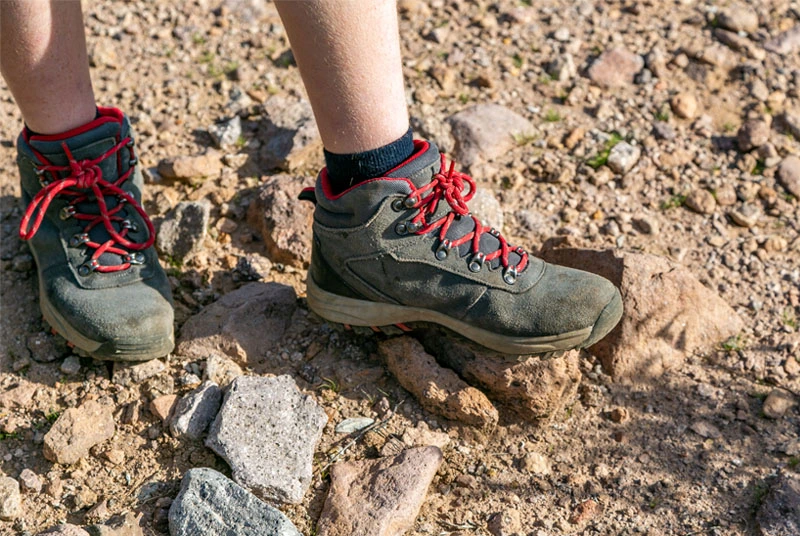
Merino Wool vs Synthetic Hiking Socks: A Material Guide for Outdoor Brands
Many hikers face the same question when choosing hiking socks: In hot weather, feet sweat easily and need socks that dry quickly. During long-distance hikes, moisture management becomes important to reduce discomfort and blister risks. In cold weather, hikers need better warmth and odor control. So which performs better for hiking socks: Merino wool or synthetic fibers? The answer depends on the hiking environment, performance priorities, and the needs of your target customers. Quick Overview Merino wool hiking socks are valued for natural odor control, temperature regulation, and long-term comfort. They are commonly used for cold weather hiking, multi-day trips, and outdoor activities where extended wear is required. Synthetic hiking socks focus on fast drying, durability, and lightweight performance. They are suitable for hot and humid environments, high-intensity activities, and situations where quick moisture removal is a priority. For hiking sock materials, the better choice depends on climate, activity level, product positioning, and customer expectations. Outdoor brands may choose Merino wool blends, synthetic blends, or customized material combinations based on their target market and performance goals. Why Do Hikers Compare Merino Wool and Synthetic Socks? When choosing hiking socks, many hikers compare Merino wool and synthetic fibers because each material offers different performance advantages. The best hiking sock material depends on factors such as climate, hiking duration, moisture management needs, and personal comfort preferences. Unlike everyday socks, hiking socks need to handle sweat, moisture, friction, and changing temperatures during long hours outdoors. This is why material selection plays an important role in hiking performance. Hiking Creates Different Challenges for Your Feet During hiking, feet commonly face several challenges: Sweat and moisture: Excess moisture can create discomfort and increase friction. Temperature changes: Outdoor conditions require socks to help maintain a comfortable foot environment. Friction during long walks: Repeated movement can increase the risk of irritation and blisters. Why Do Blisters Happen During Hiking? Blisters are often caused by the combination of moisture and friction. When feet become sweaty, the skin becomes softer and more vulnerable to irritation. Therefore, hiking socks need to do more than provide warmth. They should help manage moisture, improve comfort, and support long-distance performance. Merino Wool Hiking Socks: What Makes Them Different? Merino wool hiking socks are made from wool fibers produced by Merino sheep. Compared with traditional wool, Merino wool fibers are finer and softer, making them more suitable for next-to-skin products such as hiking socks. In outdoor applications, Merino wool is widely used not simply because it provides warmth, but because the fiber offers unique performance benefits in moisture management, temperature regulation, and long-term comfort. Natural Odor Control for Multi-Day Hiking For hikers who spend several days outdoors, odor can become a practical concern. During long-distance hikes or multi-day trips, feet continue to sweat, while socks may be worn for extended periods without frequent washing. Merino wool has natural odor-resistant properties, which can help reduce unpleasant smells during long periods of wear. This is why Merino wool hiking socks are commonly used for: backpacking; multi-day hiking; extended outdoor activities. For outdoor brands targeting the premium market, odor control is also one of the key reasons customers choose Merino wool products. Temperature Regulation in Changing Weather Temperature changes are common during outdoor activities. A single day of hiking may include: cold conditions in the morning; warmer temperatures as activity increases; cooler weather later in the day. The fiber structure of Merino wool helps regulate foot temperature, providing warmth in colder conditions while maintaining comfort when activity levels increase. Because of this, Merino wool socks are commonly used for: cold weather hiking; mountain trekking; four-season outdoor activities. Moisture Management During Long-Distance Hiking Sweaty feet are one of the most common challenges during long-distance hiking. When moisture builds up inside footwear, it can reduce comfort and increase irritation caused by friction. Merino wool fibers can absorb moisture vapor and help regulate the environment around the foot, allowing hikers to stay more comfortable during extended wear. However, it is important to note that Merino wool is not the fastest-drying hiking sock material. In hot and humid conditions, synthetic fibers usually have an advantage in moisture transport and drying speed. The strength of Merino wool lies in its balance between moisture management, temperature regulation, and softness during long periods of use. Comfort and Blister Prevention Blisters are a common problem during long-distance hiking. They are usually related to two main factors: repeated friction; moisture that softens the skin. No sock material can completely prevent blisters, but better moisture management can help reduce discomfort caused by prolonged exposure to a damp environment. Because Merino wool offers softness and moisture-regulating properties, many hikers choose it for long-distance activities where comfort over many hours is a priority. Synthetic Hiking Socks: Why Many Hikers Still Choose Them Synthetic hiking socks are made from man-made fibers, including polyester, nylon, polypropylene, and elastane. Unlike natural fibers such as Merino wool, synthetic fibers are engineered to achieve specific performance characteristics. Different synthetic materials can provide advantages in areas such as moisture transport, drying speed, durability, and weight control. Because of their functional performance and production flexibility, synthetic fibers remain one of the most commonly used materials in hiking socks. Faster Drying Performance Synthetic fibers are widely used in hiking socks because they can move moisture away from the skin and dry quickly. Compared with Merino wool, synthetic materials generally have a faster drying speed, which makes them suitable for hot and humid environments or activities where socks may become wet. For example, polyester and polypropylene are commonly used in performance socks because they help reduce the feeling of wetness during high-intensity activities. Higher Abrasion Resistance and Durability Synthetic fibers, especially nylon, are widely recognized for their abrasion resistance and durability, which is why they are commonly used in hiking socks designed for frequent outdoor use. However, durability is not only determined by fiber type. Material blends and product engineering also influence the final performance of hiking socks. For example, Sockcn’s Merino wool socks use Merino blend
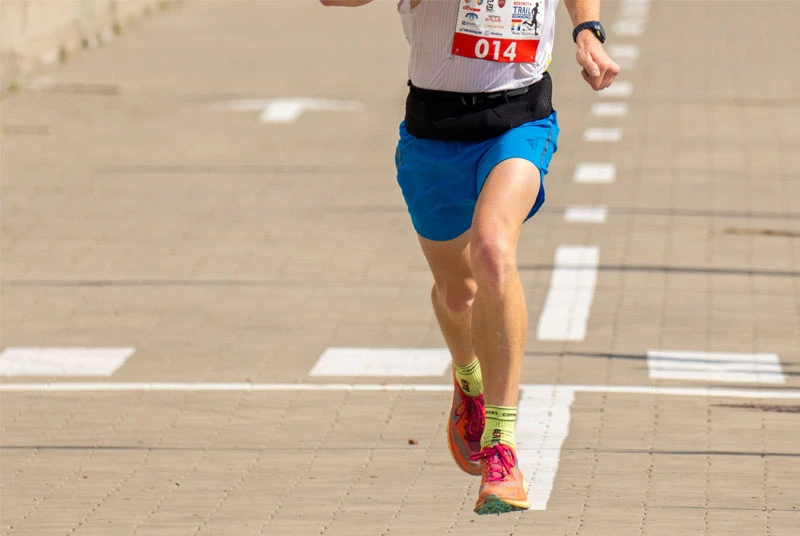
Custom Running Socks: The Complete Guide for Brands, Clubs & Retailers
Custom running socks are not just sports accessories with a brand logo. They are functional products that need to balance performance, comfort, and brand value. A well-designed pair of custom running socks can provide runners with a better wearing experience through moisture wicking, friction reduction, cushioning, and arch support, while continuously strengthening the connection between the brand and users. What Are Running Socks? Running socks are functional socks specifically designed for running activities. Compared with regular socks, they focus more on comfort and performance during exercise. By using moisture-wicking yarns, breathable structures, cushioning zones, and friction-reducing designs, running socks help keep feet dry, reduce the risk of blisters, and improve comfort during long periods of activity. Do Running Socks Really Make a Difference? Yes. Professional running socks have clear differences compared with regular socks, especially during long-distance running and high-intensity training. Regular cotton socks easily absorb and retain sweat, increasing friction between the feet, socks, and shoes. Professional running socks use high-performance materials such as Coolmax®, functional polyester fibers, and Nylon 66, combined with 200-needle high-density knitting, mesh ventilation, arch support, and cushioning designs to improve moisture management, durability, and wearing comfort. Professional running socks are one of the best product choices for brands entering the performance sports market. In North America and Europe, a pair of professional running socks with blister prevention features and arch support commonly retails for $18–$25. Since runners frequently consume and replace socks through weekly training, a professional product can encourage customers to purchase 3–5 pairs at once or reorder seasonally. What Type of Socks Are Best for Running? When developing custom running socks, brands need to choose suitable sock types and functional configurations based on target users and application scenarios. Lightweight Running Socks Lightweight running socks are mainly designed for speed runners and race scenarios. They focus on reducing weight, improving breathability, and providing fast moisture management. These socks usually use thinner knitting structures and reduce unnecessary thickness, helping runners maintain a lightweight feeling during long-distance races or high-intensity training. Cushioned Running Socks Cushioned running socks add extra thickness in high-pressure areas such as the heel and forefoot to provide better comfort and protection. This design is especially suitable for long-distance running, as continuous impact can cause foot fatigue and discomfort. Compression Running Socks Compression running socks use different levels of elastic pressure zones to improve fit stability and reduce sock movement during exercise. For endurance sports, recovery training, and professional sports markets, compression socks are often developed as part of a high-performance product line. Trail & Outdoor Running Socks Trail running and outdoor running require different sock features compared with road running. They focus more on durability, temperature regulation, and long-term wearing comfort. Running socks made with Merino wool or blended performance materials can help runners handle changing outdoor environments. Choosing the Right Running Socks Material Professional running socks usually use multiple fiber blends to combine moisture management, durability, elasticity, and comfort for different applications. Polyester: Lightweight and Fast Moisture Wicking Polyester is one of the most widely used materials in performance running socks. It is lightweight, dries quickly, and provides good moisture management, making it suitable for running products that require fast sweat transfer and a lightweight feel. When developing products for European and North American markets, simply highlighting “quick drying” is no longer enough. Sustainability has become an important requirement for brands entering these markets and running communities. Repreve® recycled polyester is recommended because it is made from recycled plastic bottles and can provide clear GRS certification. Nylon: Improving Durability and Product Lifespan Nylon is mainly used to strengthen high-friction areas such as the heel and toe. However, many low-cost factories use standard Nylon 6 to reduce costs, which can make socks feel harder and more likely to pill after repeated washing. Entry Level: Nylon 6 — Lower cost with acceptable strength, suitable for basic daily training socks. Performance Level: Nylon 66 — Higher molecular crystallinity, significantly improved abrasion resistance, and a smoother, softer touch. Factory Recommendation For premium Racing or Ultra-Marathon product lines, Nylon 66 is highly recommended in covered yarn applications. It can reduce roughness and discomfort during long-duration running. Merino Wool: Temperature Regulation and Outdoor Performance Merino wool is considered the gold standard for trail running and winter running socks. It provides excellent natural odor resistance and moisture-temperature regulation. However, one of the biggest mistakes buyers make is specifying only “Merino Wool” without defining the wool fiber micron. Avoiding Problems: Regular Merino wool above 20 microns may create noticeable itchiness under high-friction activities, which can turn a potential bestseller into a high-return product. Professional Standard Performance running socks can use 18.5 micron Superfine Merino or even 17.5 micron Ultra-fine Merino wool. These fibers maintain warmth and moisture management while providing higher comfort. Spandex/Elastane: Improving Fit and Stability Spandex/Elastane usually accounts for only 3%–10% of total sock composition, but it directly affects graduated compression, arch support, and resistance to stretching after repeated washing. Many brands focus only on the main yarns (Polyester/Merino) while ignoring elastane quality, which can result in complaints such as socks slipping down or poor arch fit after several uses. Example Material Blends for Different Running Sock Applications Application Typical Material Blend Racing & Marathon Running Socks 75% Coolmax® / Recycled Polyester + 20% Nylon 66 + 5% Elastane Trail & Endurance Running Socks 60% Fine Merino Wool + 30% High-Tenacity Nylon + 10% Elastane Daily Training Running Socks 65% Polyester / Functional Fiber Blend + 28% Nylon + 7% Elastane Running Club & Event Socks 70% Recycled Polyester + 25% Nylon + 5% Elastane How to Develop Custom Running Socks for Your Brand Developing custom running socks requires combining brand positioning, target users, and product performance requirements. Define Usage Scenarios and Performance Goals First, define the application scenarios, such as: Marathon events Daily training Trail running Running club activities Different scenarios require different performance features, such as lightweight breathability, cushioning protection, warmth, or durability. Select Materials and Sock Construction Choose suitable materials and structures