
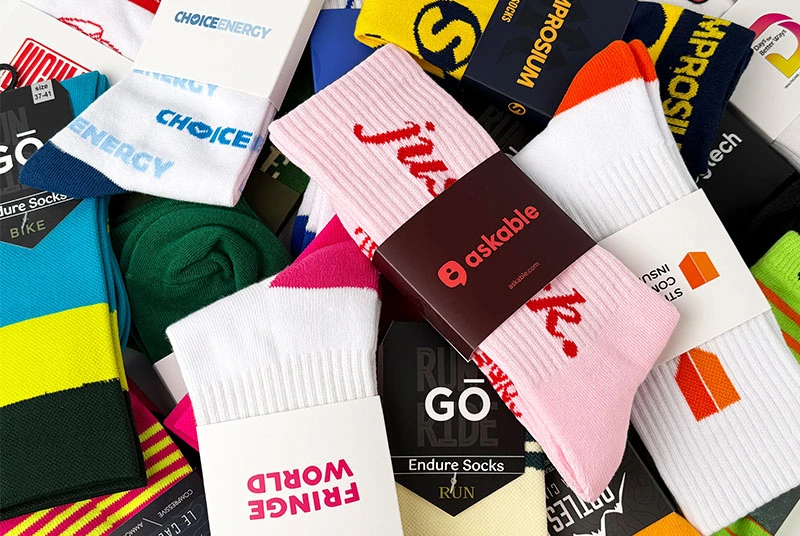
Custom socks with logo are widely used by brands, teams, and companies to increase visibility and create recognizable merchandise. In this guide, we explain how logo socks are designed, where logos can be placed, the available manufacturing methods, and how brands work with factories to produce them. Why Custom Socks With Logo Are Popular Custom socks with logo have become a popular branding tool for companies, sports teams, and retail brands. Compared with traditional promotional products, socks combine everyday practicality with strong visual branding, making them an effective way to increase brand exposure. First, logo socks help improve brand visibility. When a brand’s logo or signature design is integrated directly into the sock pattern, the product itself becomes a walking advertisement. Every time the socks are worn, the brand gains additional exposure in daily life. Second, custom socks help brands stand out in competitive markets. In retail environments where many socks may have similar materials or colors, adding a recognizable logo or design element helps consumers quickly identify a specific brand. Finally, logo socks can help build long-term customer recognition. When customers have a positive experience with a product, the visible logo makes it easier for them to remember the brand and purchase it again in the future. For many brands, custom socks therefore serve both as a functional product and as a subtle but effective branding strategy. Custom Logo Sock Styles Logos can be applied to different sock styles depending on how visible the branding needs to be and how the socks will be used. Retail brands, sports teams, and corporate buyers often choose specific sock lengths to match their target audience and product positioning. If you're unsure which style fits your needs, see our guide on sock types and how to choose the right one. Below are some of the most common sock styles used for custom logo socks. Custom Ankle Socks Custom ankle socks are a popular choice for casual wear and summer collections. Because the sock sits below or just above the ankle, branding is usually placed on the front cuff or the top of the foot. Many lifestyle and athletic brands choose ankle socks for retail collections because they are lightweight, comfortable, and easy to match with sneakers or training shoes. Although the visible logo area is smaller compared with longer sock styles, ankle socks remain a practical option for subtle brand exposure in everyday wear. Custom Crew Socks Custom crew socks are one of the most common styles used for logo socks because they provide a larger visible area for branding. The extended cuff allows logos, patterns, or brand colors to be integrated directly into the sock design. Many lifestyle brands and streetwear labels prefer crew socks for retail products because the logo can remain visible when worn with shorts, skirts, or cropped pants. The design can be woven directly into the sock structure, ensuring that the branding remains durable without affecting comfort or flexibility. For inspiration on how brands design crew socks that customers actually wear, see our guide on custom crew sock design ideas. Custom Knee High Socks Custom knee high socks are commonly used for sports teams, uniforms, and performance applications. Because the sock extends up the calf, it offers a large area where logos, team names, or stripes can be incorporated into the design. Football teams, basketball clubs, and training organizations often choose knee high socks because they combine branding visibility with functional support. The taller structure also allows manufacturers to integrate compression zones or cushioning features while still maintaining a clear logo display. Where Logos Can Be Placed on Socks Normally, the logo is located on the sock in the visibility zone (upper part, around the ankle or the cuff) to be easily viewed, so that someone could recognize the brand when they see the logo at first glance. Technically speaking, with the exception of the toes and heels that must remain logo free, logos can be applied to socks just about anywhere you like. If the logo is not too complicated, for example just some simple letters or some geometrical figures, we advise a jacquard logo. The designer of supplier will design readable knitting pattern of those socks according to the logo, then proceed with production. Have you knitted sweaters before? The process is just similar to knit sweaters. However, when the logo is too complicated or with too many specific details, all the below options are highly feasible. The placement of a logo greatly affects visibility and comfort. Learn more in our detailed sock logo placement guide Logo Production Methods Different manufacturing techniques can be used to add logos to custom socks. The choice of method depends on the complexity of the design, the desired texture, and how the socks will be used. Some production methods integrate the logo directly into the sock structure, while others apply the logo after the sock has been knitted. Understanding these options helps brands choose the most suitable solution for both appearance and durability. Jacquard Jacquard knitting is one of the most common methods used for custom logo socks. In this process, the logo or pattern is woven directly into the sock during the knitting stage. Because the design becomes part of the fabric structure, jacquard logos are durable and maintain flexibility without affecting comfort. This method is widely used for retail socks, lifestyle brands, and team socks where the logo needs to remain visible but still feel soft when worn. Jacquard works best for logos with clear shapes and limited color changes, making it a practical solution for large-scale production. Embroidery Embroidery adds a raised logo to the sock surface by stitching the design onto the finished product. This technique creates a textured and premium appearance, which is why some fashion brands use it for small logos or signature marks. However, embroidery is typically used for simple designs placed near the cuff area, since dense stitching can affect flexibility if applied to large areas of the sock. For this reason, embroidered logos are often used as a

Bulk Merino Wool Socks: Tips for Efficient Ordering
For all types of the clothing industry, we can observe that whether it is retail or wholesale, their inventory is never counted in single digits. Reviewing the history and current situation of some wool sock brands, it is easy to see that few products offer the blend of performance, comfort, and customer loyalty that Merino wool socks do. For enterprises such as professional outdoor goods stores and daily clothing retailers, merely having a few pairs of socks on hand is not sufficient to capture this market demand and make profits from it. The key to unlocking profitability, ensuring consistent customer satisfaction, and building a resilient supply chain lies in mastering the art of the bulk order. Therefore, being able to purchase bulk merino wool socks is very meaningful and worth learning. Today, let's explore all the key points from the initial planning to the final delivery, in order to ensure that your bulk merino wool socks ordering process is as smooth and profitable as possible. Why Order Wool Socks in Bulk Before delving into the logistics issues, it is necessary to clearly define the advantages of bulk purchasing. Cost Savings for Retailers The most immediate and compelling reason to order in bulk is the significant reduction in cost per unit. Manufacturers will offer the more favorable price for bulk merino wool socks order, because it maximizes their production efficiency, reduces their per-unit administrative overhead, and guarantees a larger sale. These savings can be passed on to you. This lower cost will increase your company's profit margin and the value for money of your products, thereby making your products more attractive to cost-conscious consumers. Continuous Supply and Adequacy For retailers, the most damaging thing to their reputation is to put up a "out of stock" sign on popular products. In particular, for the best-selling Merino wool socks the sales number is normally very big. When you buy Merino wool in bulk, you can rest assured you have enough product to last you through the next season, and you won't have to tell customers again. This will help to build a good level of trust between yourselves and your customers and they will be more than happy to repurchase and even share it with their friends. Knowing that they can always find their favorite merino socks in your store means they have become your lifelong customers and will be your best advertising targets. Building Strong Supplier Relationships Your relationship with your supplier should be a partnership, not just a transaction. Consistently placing bulk merino wool orders indicate that you are a serious, reliable client. This usually ensures you receive better service, such as having priority processing rights during the peak demand period at the end of the year, and also includes some other more favorable terms. A strong relationship can lead to perks like first access to new designs, collaborative marketing opportunities, and more flexibility should you need to adjust an order down the line. Suppliers invest in clients who invest in them. Planning Your Bulk Order Success in bulk ordering is 90% preparation. Rushing into a large purchase without a solid plan is a recipe for overstock, cash flow problems, and logistical problems. Setting Order Quantities Determining the appropriate quantity requires scientific calculations. Firstly, it is necessary to analyze the best-selling products and their quantities for each season in the past. This can be achieved by using time series analysis to determine the styles, sizes, etc. that need to be stocked in the future. But then you also have to factor in things like organic growth, adopting new marketing techniques or seasonal trends. The sales of merino wool socks will rise with the arrival of winter, the commencement of various hiking activities, and some winter festivals. Certainly this can't be just speculation; you need to forecast the demand as accurately as you can using data. Negotiating Pricing For bulk merino wool socks orders, the final contract price is usually not determined based on the initial offer. This indicates that during the price negotiation process, you need to make thorough preparations. First of all, you must clearly understand the prices of similar products and consider your budget to determine the target cost per unit. This will enable you to set a clear bottom line during the negotiation. Then, inquire about the tiered pricing situation - that is, the cost will decrease accordingly as the order quantity increases. Additionally, other terms besides the unit price should also be discussed. Sometimes, you can negotiate for better payment terms (such as changing to a 30-day payment period, etc.), lower transportation costs, or receive discounts in future orders. Your goal is to reach a mutually beneficial agreement. Managing Inventory Needs A bulk order is useless if it leads to a warehouse full of unsold, single-style socks. A critical part of planning is your SKU assortment. A diverse and well-thought-out assortment prevents this. Balance your order across: Styles: Offer a mix of hiking, casual, and running socks. Weights: Include lightweight, midweight, and heavyweight options for different activities and climates. Sizes: Ensure a balanced size run to meet the needs of all your customers. Colors: Invest in core, neutral colors that always sell, and supplement with seasonal or trending colors to attract attention. Effective inventory management from the planning stage ensures your capital is tied up in sell-able goods, not dead stock. Choosing the Right Supplier for Bulk Orders The partner you choose for your bulk Merino wool socks can make or break your venture. Factory Direct vs Distributor There are two main ways to source, each with its own set of advantages and disadvantages. Direct sales from the factory: Buying from the manufacturer is the cheapest way and is most suitable for customized (such as custom logo, unique material, and exclusive design). But this way is frequently involved high MOQ and longer lead time and you should also deal with international logistics and quality assurance. Distributors/Wholesalers: Distributors act as intermediaries. They purchase in large quantities from the factory and then sell smaller batches of products to retailers. This does result

Custom Wool Socks: What Brands Should Know Before Development
Developing custom wool socks starts with more than choosing a design or logo. Before production begins, brands should define their product goals, select the right wool materials, and understand the key decisions that affect performance, cost, and quality. This guide covers what you should know before developing custom wool socks. Why Retailers Prefer Customized Wool Socks When many brands first begin developing custom wool socks, they often ask, “What kind of wool should we use?” or “What should the wool content be?” But in fact, before selecting materials, the first step is to define the product’s objectives. Different use cases have different performance requirements for wool socks. For example, brands developing hiking socks will prioritize durability and shock absorption, while those developing running socks will focus on breathability and moisture-wicking, and brands creating socks for everyday winter wear will emphasize warmth and comfort. Only by first defining the product’s target market, usage scenarios, and brand positioning can subsequent material selection, structural design, and cost control proceed in a unified direction, thereby avoiding repeated revisions during the development process. Choose the Right Wool Material Material is one of the key factors influencing the performance, cost, and market positioning of custom wool socks. For most brands, the wool content of socks must be determined based on the product’s intended use, in order to strike the right balance between comfort, durability, warmth, and budget. Taking sheep’s wool as an example, different types of wool have distinct characteristics. Merino wool fibers are finer and softer, offering excellent temperature regulation and moisture-wicking properties, making them commonly used in high-end outdoor and athletic socks; standard sheep’s wool, on the other hand, provides good warmth at a relatively lower cost and is better suited for mass-market products. To further enhance abrasion resistance, elasticity, and product lifespan, most custom wool socks are blended with materials such as nylon, polyester, or spandex, rather than being made from 100% wool. Therefore, when developing products, rather than pursuing a higher wool content, it is better to select the most appropriate material solution based on the product’s positioning and intended use. Only when materials, performance, and budget are properly aligned can custom wool socks be created that truly meet market demands. Balance Performance, Durability, and Cost When developing custom wool socks, it is rare to find a solution that delivers optimal performance, maximum durability, and the lowest cost all at once. Most product development involves striking a balance between different requirements rather than simply pursuing a single metric. For example, increasing the wool content typically enhances comfort, warmth, and natural moisture-wicking properties, but it may also reduce abrasion resistance and increase material costs. Adding an appropriate amount of synthetic fibers, such as nylon, can improve the socks’ durability and lifespan, but too high a proportion may compromise the natural feel of the wool product. Similarly, while increasing the pile thickness provides better cushioning and warmth, it also increases the product’s weight, reduces breathability, and raises production costs. Therefore, when developing products, brands should set priorities based on their target market, usage scenarios, and budget. Only by striking a reasonable balance between performance, durability, and cost can they develop products that truly meet market demands—rather than wool socks that excel in one aspect but fail to meet overall business objectives. What Can Actually Be Customized? When many brands first develop custom wool socks, they tend to think that customization mainly involves changing colors, adding logos, or incorporating patterns. In reality, these are only part of a brand’s presentation; what truly impacts a product’s competitiveness is often the sock’s construction and functional design. Beyond visual design, brands can customize sock length, cushioning zones, compression support, toe-seam construction, heel structure, and knitting techniques for different areas based on product positioning to meet the needs of various sports scenarios and consumer groups. For example, hiking socks typically feature enhanced cushioning in the sole and heel areas, while running socks prioritize breathable zones and a snug fit. Different structural designs not only affect the wearing experience but also impact product costs and manufacturing processes. Only after completing the product structural design and integrating it with the brand’s colors, logo, patterns, and packaging can a truly distinctive custom wool socks product be created. For buyers, customization means not only differentiating the brand’s visual identity but, more importantly, creating products that meet the needs of the target market. Before You Contact a Manufacturer Before contacting a wool sock manufacturer, taking a moment to clarify your product requirements will make communication more efficient and help the manufacturer provide more accurate material recommendations, quotes, and development proposals. Before sending an inquiry, we recommend confirming the following key questions: What is the primary use case for the product? (e.g., hiking, running, skiing, or everyday wear) What is the target consumer group and product positioning? What core performance features do you hope to achieve? (e.g., warmth, breathability, durability, shock absorption, or compression support) Do you already have preliminary design drafts, a logo, or packaging concepts? What are your estimated purchase quantity and target budget? It’s okay if you don’t have all the answers yet. The clearer you are about your product requirements, the easier it will be to establish effective communication with the manufacturer and receive development recommendations that better align with your project goals. Related Resources → Merino Wool Vs. Regular Wool: Key Differences for Your Business → Best Material for Socks: Sockcn Expert Advice → Merino Wool Socks: The Comprehensive Guide → Merino Wool vs Alpaca: Best Choice for Custom Socks → How Retailers Choose a Custom Wool Socks Manufacturer Explore more guides on sock materials, performance requirements, and manufacturing considerations. Conclusion Just like the saying goes, a good beginning is half done, it can’t be too careful to begin your own custom socks. But it is also important to give yourself a chance to make your ideal socks and turn it into a big hit.
OEM vs ODM Socks Manufacturing: What Retailers Should Know
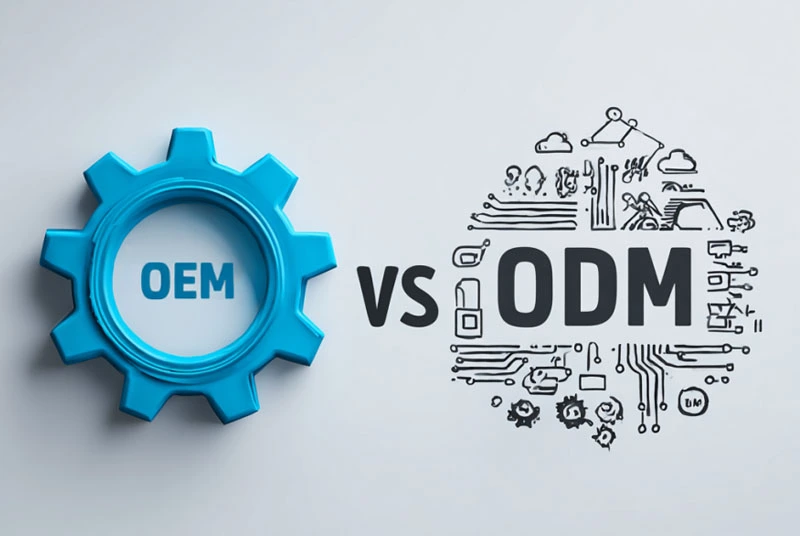
Hey, everyone! Welcome back to our blog. We are your sock manufacturing partner and have worked with small and large retailers around the world. In our day to day interaction, we get asked a question often: “should we create our own sock designs or pick from your designs?” What is the difference between OEM & ODM? This usually is the first pivotal choice for consumers when beginning to sell or expanding their merchandise line. Knowing the difference between the two can not only save you money and waste of time, but you can also score your product better in the market. Today, from the perspective of the sock manufacturer, we will give you a detailed introduction of OEM and ODM. We believe it can aid in your decision-making the best! What is OEM and ODM? Before go deeper, let's make these two commonly confused terms clear out first. What is OEM Manufacturing? “OEM” is an abbreviation for Original Equipment Manufacturer. In terms of sock manufacturing this is: You send designs, specs and your brand logo and we as your supplier manufacture the socks with strictly your requirements. You could say that in essence you are the “designer” and the “owner” of the product in the OEM process. From the sock length, materials (combed cotton, nylon, wool blends, etc), color and design to the toe stitching, even down to the packaging materials, you decide. We have the expertise and the equipment to turn your visions into products with perfection. Think of it this way: OEM is you taking your own secret recipe to a five-star restaurant. The cook will follow your recipe and the ingredients you chose to make you the unique dish. What is ODM production? ODM means Original Design Manufacturer. We are the manufacturers of socks and also a trading company. Here are some of our different sock designs. As a sock manufacturer, we design as well as produce. Choose the style you want from our socks range or select the design we make for you and apply your brand label to sell. In terms of socks ODM, we make the "designers" and the "manufacturers". Under the ODM model, you will be able to skip the tedious design phase and simply buy the socks you want from our portfolio of sock designs. Let’s do an analogy: ODM is similar to you walking into a restaurant and picking out your favorite food from a list of specialties. The restaurant will quickly serve you the dish and allow you to request to add your own name as a decoration on the dish. To more clearly show the main difference between OEM and ODM, I have made the following charts for you. Let’s have a more visual comparison of the two to see the difference. Characteristics: OEM ODM Owner of the design You provide the complete design We holds the design, and you obtain the authorization. Development process Starting from the initial stage, it is long time The cycle is brief based on existing inventory styles. Customization level can be fully customized according to your own idea In most cases, only small corrections can be made or none at all depending on the state of affairs. Initial costs Higher (material cost, Production cost) Lower (it's the cost for our mass production) Advantages and features Unique products, establishing the uniqueness of your brand Launch socks quickly and at a low cost So far, you still couldn’t make up your mind on which ordering method to use? That's fine. I'll go over the benefits of the two methods of ordering in a little more detail. OEM benefits for retailers If you want unique branding and full control, OEM could be the right option for you. More Customization Options OEM allows your creativity to be extended more. You can indicate: Special Functional Fibers: Antibacterial, drying, absorbing of sweat, and other warm comfort functional textile. Unique Structural Design: unique flower pattern design, pre-determined specific pressure gradient design for sports rehabilitation, well-thought design based on different materials combination, etc. Accurate and Reliable Size and Color: Just meet the aesthetic view and wearing feeling from your customers. Branding Opportunity Promotion Having a pair of socks that you have designed from start to finish takes the center stage when telling your brand story. From the pattern on the sock body to the placement and stitching of the label; every detail adds to your brand. This is essential to forming such a distinctive and loyal brand. Product Specification Control You can control the cost and quality entirely. For example, you may want to buy a higher count of combed cotton for a softer feel, or you may want to use more environmentally friendly dyes. Under the OEM mode, you have full control over the materials, the production process and the product quality. The advantages of ODM for retailers The advantage of the ODM model is the ability to respond quickly to market, and the fact you can keep your upfront investment low if the market doesn't accept your product line, which is the most important thing for you. Faster time to market Because there already exists a sock design as well as a production line, application is 3~7 days from sample confirmation to batch production. This allows you to immediately grab the latest marketing trends and test the reaction to new products, which is especially good for seasonal items (Christmas socks, summer boat socks). Lower development costs ODM frees you from costly and time-consuming design, prototyping and mold development charges. You only need to pay the sample fee and the production cost of the product itself. This allows for small-batch testing of multiple models, and reduces barriers for starting a business or trying and error significantly. Pre-designed product range As an ODM entity, we will have many mature and popular product series according to global market trend and experiences. You can also obtain proven good designs directly from us which reduces the risk of products being not well accepted in the market. How to Decide Between OEM and ODM Until now, do you know clearly how to choose between OEM and ODM? If you're still comparing different suppliers, it's also helpful to look at how leading custom socks manufacturers differ in terms of MOQ, OEM capability, and lead time. After realizing their advantages respectively, how to make decision? Budget Considerations Your
Best Alpaca Socks: Sourcing Guide for Retailers
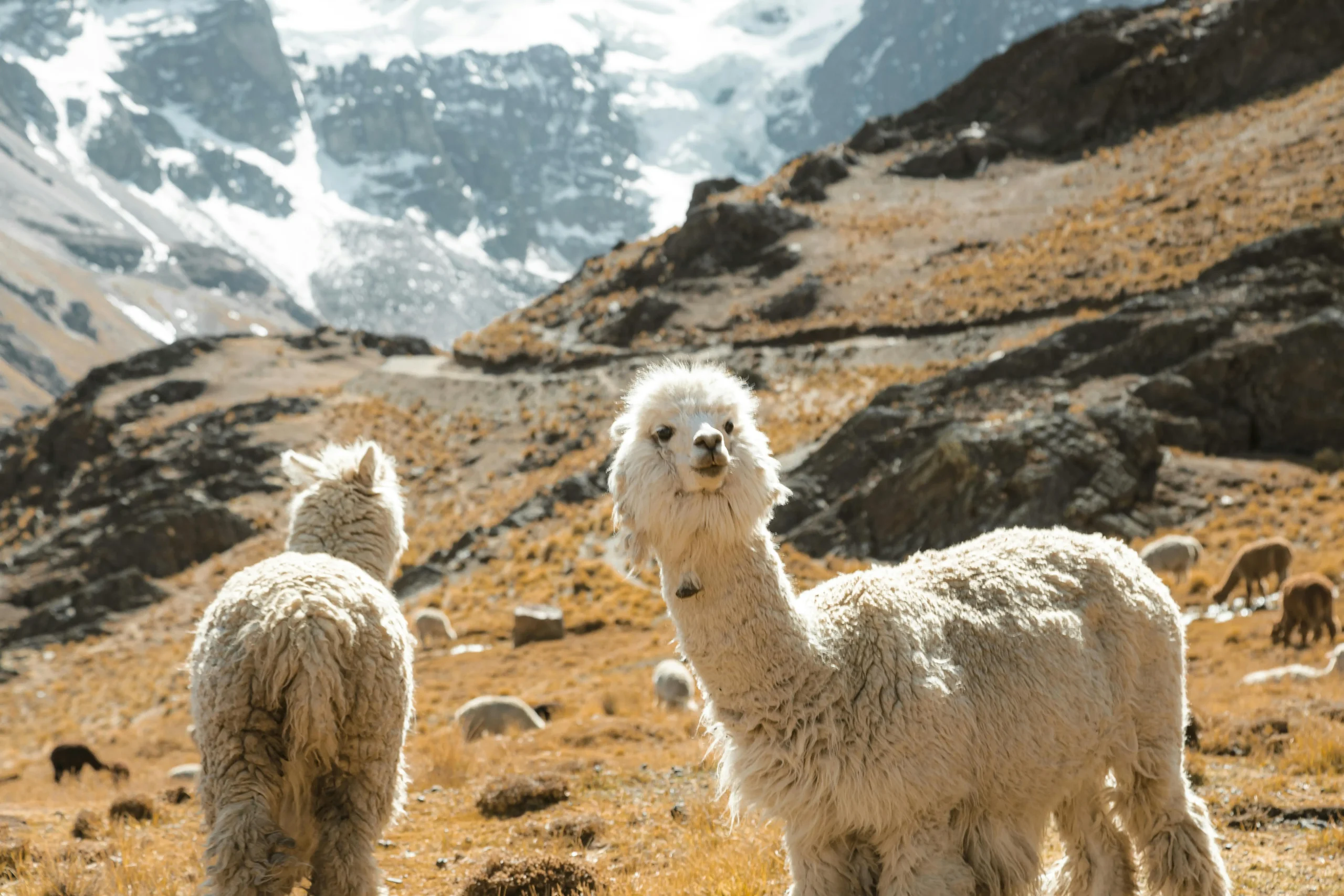
Alongside the merino wool socks, a new star in socks has risen on supermarket shelves and e-commerce sales charts. It is alpaca wool socks. This winter, alpaca wool socks will gradually generate own market with it’s high-end features. For retailers, alpaca wool socks are not just a winter staple but also a powerful tool to boost unit prices and establish a premium brand image. However, how to identify the "star socks" that not only ensure repeat purchases from customers but also deliver substantial profits? Today, I'd like to share some conventional insights on the distinctiveness of alpaca wool socks, the alpaca wool socks sourcing, and the establishment of alpaca wool sock brands. Why Retailers Are Choosing Alpaca Wool Socks Firstly let’s see what is alpaca wool? What is the magic of alpaca wool socks? And Why we choose alpaca wool socks? Luxury Appeal of Alpaca Fiber Alpaca wool is a luxury fiber. Its scarcity and outstanding features give the products greater value. Compared with ordinary socks made of other materials, alpaca wool socks have a higher unit price and profit margin. In the highly competitive sock market, the luxury characteristics of alpaca wool can make your brand stand out. It is not an ordinary product that can be found everywhere, which can effectively prevent excessive homogenization of competition. It attracts customers who pursue quality. Meanwhile, due to its high-end nature, it is also an excellent choice for gifts. It is high-quality, practical, innovative, and can effectively boost sales during festivals or gift seasons. Comfort and Performance Benefits Alpaca wool does not contain the lanolin found in regular wool, making the socks softer, more comfortable and less likely to irritate the skin. For customers who find that regular wool socks irritate their skin, this is a decisive reason for making a purchase. Alpaca wool fibers can effectively block cold air, providing much better warmth than cotton socks or even ordinary wool socks. Moreover, while providing warmth, these socks are extremely lightweight and do not cause any weight burden. The strength of alpaca wool fibers is higher than that of normal wool, which means alpaca wool socks are more durable. Although the unit price is higher, they have a longer usage life. In the long run, it is a more economical choice. Growing Demand in Premium Markets More and more people are focusing on the quality of their lives and are willing to pay a premium for superior performance and sustainability. Alpaca wool socks offer a great option for them. The sales success of HOLLOW brand alpaca wool socks is sufficient evidence of this. Also, more and more consumers are paying attention to the environmental background of products. Alpaca wool is a natural material, which aligns with this theme and can win the favor of customers with strong environmental awareness. The popularity of sports such as hiking, cycling and running has led people to pay more attention to clothing and accessories that can provide a better experience. Socks is also the case. The demand for Alpaca wool socks is expected to increase significantly. Sourcing Alpaca Wool Socks After a basic understanding of alpaca wool socks, you may want to explore how alpaca compares with other materials in different use cases. To make a more informed sourcing decision, it’s helpful to review a broader guide on choosing the right sock materials. Direct from Manufacturers vs Distributors In order to quickly see the advantages and disadvantages of these two buying methods, I have listed a picture below to help to make the right choice If you are a small scale selling store or just begin to sell the socks, you may need just like twenty or fifty pairs to test the market. It’s better to buy the stock socks from the distributors. The MOQ is ok and delivery is fast. But the problem is the price you get is not good enough and many stores may have the exactly same socks. If you are an online website that sells to the whole country or even many countries or a big brand already, it’s better for you to import from the manufacturers directly. The price is better and you can gain high profit. And you can custom as per your unique logo and design. And you can select the package and other accessories as well. Just one thing that you need to plan your selling schedule in advance as the production time is one to two months. And you may have communication time and language difference with the manufacturers in other countries. Verifying Material Authenticity As a high-profit product, there is a wide range of quality in the market. How to identify and ultimately sell high-quality alpaca wool socks is a crucial issue. 1.Hand touch Alpaca wool is hailed as the fibers of God. It has a soft and smooth texture, with almost no itchy sensation. Hold the sock tightly with your hand and then release it - it will return quickly. 2.Visual sense Alpaca wool fibers are long, making it look more fluffy than ordinary wool. The surface of alpaca wool socks has a soft luster, which is not harsh. 3.Burning test Taking a small amount of fibers from the inside of the sock or the excess thread, holding them with tweezers, and light them with a lighter. The real alpaca wool does not have a strong unpleasant smell when burning. The ashes formed after burning are crispy and will crumble when squeezed. Moreover, they are difficult to reignite once removed from the flame and will extinguish by themselves. If the burning socks have a pungent chemical or plastic burnt smell, and after burning they form hard black balls that are difficult to crush, melt and drip during the burning process, it is very likely that they are fake. Certifications and Standards to Check 1.Standard RAS certificate is able to be applied for the alpaca wool yarn. Standard certification Type Management organization Focus Main Content RAS International voluntary certification Textile Exchange Animal welfare,land management,alpaca wool traceability 1. Supplier requirement: The entire supply chain from the farm to the final product
How to Choose a Reliable Socks Factory for Wool Socks
The success of a brand company is not only related to its business capabilities, but another crucial factor is how to select a high-quality supplier. The significance of the supplier lies in whether the company can provide high-quality products, reasonable prices, prompt delivery times, and excellent services, etc. For a company that mainly produces wool socks, the selection of suppliers is of greater significance. Wool yarn is a special material. Unlike ordinary cotton yarn or polyester yarn etc, wool yarn has technical protection and there is a lot of points for customization. Most of the wool yarn available on the market is not genuine, and the quality of the suppliers varies greatly. Choosing a reliable wool socks supplier is simply an extremely difficult task. Why Supplier Choice Impacts Retail Success Influence on Product Quality The best wool socks supplier should be sock factories. The sock factory directly produces socks. The reliability of the factory will directly affect the quality of the socks. The main difference between a factory and a trading company lies in that the factory can directly control the quality. It can go to the workshop at any time to inspect the quality and quickly identify problems in the production process. Each wool socks supplier has its own specific quality inspection standards. Professional wool sock suppliers should provide pre-production samples before confirming the production to ensure accuracy. During the machine production process, socks are frequently inspected. After production, all socks are checked to remove all defective products. Quality checks and trimming of excess threads are conducted again during packaging. Finally, the socks are packed and sealed for shipment. Each step is controlled by a responsible person. Before shipment, there will be a quality inspection sheet and all samples will be kept on file. A complete quality inspection process and after-sales traceability process bring not only high-quality socks to the partners, but also peace of mind and benefit guarantee in the cooperation process. Effect on Pricing and Profitability Generating profits is the primary goal of every company. So, how can we earn more profits? On the one hand, we need to increase the selling price; on the other hand, we must do our best to reduce costs. Choosing a reliable wool socks supplier can effectively control costs. When choosing a supplier, it is best to select a mature and large wool socks manufacturer. There are several straightforward reasons for this point: The first reason is that: directly collaborating with the factory can eliminate the profits earned by middlemen/trading company etc, allowing your company to obtain the lowest cost price directly. The second reason is that: large factories have high annual production volumes, so they purchase large quantities of yarn and have closer cooperation with yarn suppliers. As a result, the cost of yarn/raw materials for the factories will be lower than small factories, obviously, the cost of the socks will be lower as well. The third reason is that: mature factories usually have high-quality machines and experienced workers. They must have produced various types of socks of different grades, and have extensive experience in making different designs of socks. Therefore, once production is initiated, losses caused by insufficient experience or equipment issues will be lower. The operational losses of the factory will be lower, so the price of the socks will be lower as well. Long-Term Business Relationships For a company, it is extremely important to find a supplier with long-term cooperation. Especially for a special product like wool socks, frequent changes of suppliers will cause many problems. The difference between wool socks and other normal socks lies in that two socks with the same appearance may be made of completely different wool yarns. For example, it is impossible for the naked eye to distinguish 30% wool yarn from 70% wool yarn, and their prices are indeed totally different. After you change to a new factory, you need to repeatedly and frequently test the yarn and the socks to obtain exactly the same socks. During this process, a lot of time and money will be lost. If your company intends to have a long-term cooperation with a factory, it must choose a high-quality wool socks supplier. Generally, such factories have strong economic support. Even in the current situation with downturn economic, they can still develop steadily and will not easily go bankrupt due to poor profits. Such wool socks suppliers will not encounter a situation where its production capacity is insufficient due to the rapid increase in order volume after your company's rapid growth. Key Criteria for Evaluating Suppliers Manufacturing Capabilities Manufacturing capability is an important indicator for evaluating the ability of a wool socks supplier. Production manufacturing capability refers to the ability of an factory to produce socks or services that meet customer demands with high quality and low cost. This capability consists of three parts: new product research and development capability, new product production capacity, and supporting capacity. Among them, new product development capability covers the innovation ability of raw materials and the ability to formulate processes; production capacity includes the production capacity of socks machine as well as the quality assurance capability; supporting capacity involves the organizational coordination ability between raw materials factories and auxiliary material factories. For wool socks, it is crucial for an outstanding factory to have the ability to independently develop and produce its own unique wool yarn. This means that the brand company who choose this factory gives the company the possibility of producing socks that are unique worldwide, which will significantly enhance the competitiveness of the brand company. Moreover, when the business grows rapidly, there should be sufficient production capacity to support it, ensuring the delivery time and quality of the partner company. This is of vital importance for long-term stable cooperation. Certifications and Standards The socks produced by professional wool sock factories need to obtain two types of certificates in order to gain recognition in the international market. One type is mandatory certification with an entry threshold. This certification ensures that the product complies with the basic safety regulations of the target market. The other type is voluntary certification aimed at enhancing competitiveness,
How Retailers Choose a Custom Wool Socks Manufacturer
When selecting a custom wool sock manufacturer, it’s not just about price or minimum order quantities. Because wool socks differ from ordinary socks in terms of yarn types, production processes, and quality standards, retailers should evaluate a manufacturer’s expertise in materials, production capacity, and ability to maintain consistent quality during mass production before selecting a supplier. Why Retailers Choose the Wrong Wool Socks Manufacturer Many supplier evaluations begin with samples. The samples look good, communication is smooth, and the quote is acceptable. While everything goes smoothly at first, problems arise later on. Common issues include production runs that look completely different from the approved samples, inconsistencies in material quality between batches, or actual delivery times that are much longer than promised. In many cases, the problem lies not with the knitting machines, but with a lack of understanding of the materials. Wool socks require different yarns, different production parameters, and different durability treatments—they are completely different from ordinary cotton socks. A factory may have years of experience producing ordinary socks, but its experience with wool products may be very limited. Therefore, before comparing prices or minimum order quantities, retailers should first clarify one thing: Does this supplier truly understand wool materials? Do they know the key choices and trade-offs involved in the production of wool socks? Does the Manufacturer Really Understand Wool? Not every sock factory has the same level of experience with wool products. Key factors such as material selection, yarn procurement, and product durability are often determined before production even begins. A supplier that truly understands wool should be able to explain why certain materials perform differently and how these choices affect cost, lead time, and product lifespan. Why Some Wool Socks Are More Prone to Holes When it comes to the durability of wool, people often think of factors such as stitch count and nylon content. But in reality, factories that understand wool sock production know that the wool yarn itself is also a key factor. Many wool socks use stock yarns made from shorter fibers and semi-worsted spinning processes. While this type of yarn helps reduce costs and allows for lower minimum order quantities, its durability is generally inferior to that of higher-grade yarns. As a result, socks are more prone to wear and tear in high-friction areas such as the heel and toe. Stock Wool Yarn vs. Custom-Spun Wool Yarn Most small- to medium-sized custom projects use stock yarn because it is readily available, has a short production cycle, and avoids the additional costs of custom spinning. Custom-spun yarn offers better fiber quality, yarn structure, and blend ratios, resulting in wool socks that are typically more durable and of higher quality. However, custom yarn carries higher material costs, requires a longer development time, and may extend lead times by several weeks. Neither option is inherently better or worse; the choice depends on product objectives, order volume, budget, and delivery requirements. Can They Explain Wool Material Trade-Offs? Material recommendations often reflect the depth of a factory’s experience with wool products. Experienced suppliers can explain the trade-offs behind each option. Increasing the nylon content may improve abrasion resistance, while increasing the wool content may enhance comfort and natural properties but reduce durability. High-quality long-staple wool helps improve durability but also drives up costs and extends the development cycle. If a factory recommends the same wool-blend ratio for every project, it suggests they may be treating wool socks as a run-of-the-mill product. Factories that truly understand wool will typically ask, “What is the intended use of these socks?” before recommending materials. 5 Things Experienced Buyers Check Before Choosing a Manufacturer Expertise in materials is important, but it is only part of the evaluation. Before finalizing a supplier, experienced buyers typically examine factors across several dimensions that directly impact product quality, production efficiency, and long-term collaboration. Production Capacity Production capacity must be commensurate with the project’s scale. Factories that specialize in small orders may not be able to handle large, recurring batch orders, while those focused on high-volume production may have little interest in small-scale projects. When evaluating production capacity, future growth should be factored in—not just the initial order. Minimum Order Quantity (MOQ) The minimum order quantity affects product development, inventory planning, and unit costs. The lowest MOQ isn’t necessarily the best choice. A factory should be able to explain why it sets a specific MOQ—for example, how it relates to yarn procurement, machine setup, and production efficiency. Product Development Support Samples are often the first indicator of whether a project will proceed smoothly. Design feedback, material recommendations, and sample revisions all require technical support. A factory willing to actively participate in product development can help you avoid many costly mistakes before production begins. Quality Control Quality control isn’t limited to pre-shipment inspections; it’s also essential during the production process. Buyers need to understand: How are materials inspected? How are defects identified? What procedures are followed when quality issues are discovered? Delivery Reliability Delivery schedules are more than just production timelines. Yarn procurement, prototyping, production, and shipping—every step affects the final delivery date. A consistent track record of on-time delivery is more valuable than empty verbal promises. Questions Retailers Should Ask Before Requesting a Quote The answers to these questions often reveal more than sales presentations or product catalogs. An experienced factory should be able to provide clear, specific explanations rather than vague, generic responses. Where do you source your wool yarn? What wool blend options do you recommend for my specific application? What is the minimum order quantity? Why is it set at this amount? How do you ensure color consistency across different batches? What quality checks are performed before shipment? Can I see a physical sample before production begins? Red Flags That Buyers Often Miss Not all issues are apparent in quotations or samples. Some problems come to light during discussions. The following signs may indicate that a factory has limited experience in producing wool socks. The Manufacturer Cannot Explain Yarn Construction The factory should
Why Retailers Prefer Merino Wool Socks
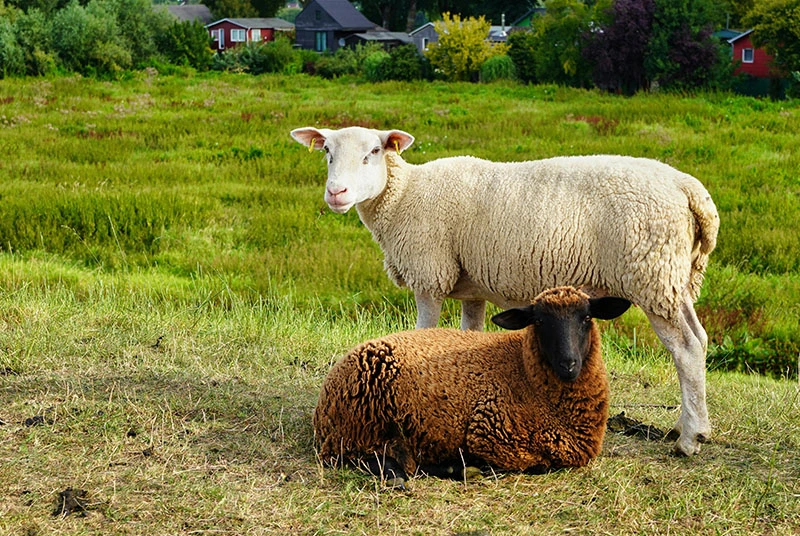
The demand for premium functional socks is on the rise as consumers prioritize a better quality of life. Of the many fabrics on the market, merino wool has proven to be a game changer for brands thanks to its incredible performance, unparalleled comfort, and natural durability. Merino wool socks are not some passing fad for merchandisers and they know it – it is a strategy to solidify competitive product offerings, customer loyalty, and margin. What is Merino Wool? How Does It Differ from Regular Wool? Merino wool comes from merino sheep, which are found mainly in the high-altitude regions of New Zealand and Australia.Merino wool fibers are exceptionally fine, typically ranging between 17 and 21 microns—roughly half the diameter of a human hair—whereas regular wool fibers often exceed 30 microns. The finer the fiber, the softer the feel. Despite its delicacy, merino wool boasts remarkable strength and elasticity. Its natural crimp and smooth fiber structure result in fabrics that are soft, breathable, and high-performing. Consequently, merino wool rarely causes the itchiness associated with traditional wool. From a marketing perspective, Merino has also become a recognized quality label in itself. Consumers associate it with premium outdoor brands such as Icebreaker, Smartwool, and Darn Tough, all of which emphasize the natural properties and comfort of merino wool. For retailers, the label merino implicitly conveys an image of luxury and comfort. It immediately suggests high quality and reliability without the need for further explanation. The Science of Merino Wool and Performance Socks Natural temperature control Merino wool fibers are naturally crimped and smooth creating air pockets between the fibers that contribute to our products insulation.Animal and pet our bodies generate heat in cold weather and heat is lost in warm weather. Temperature Neutral.In contrast to non-breathing synthetic fibers, merino wool actively regulates your temperature so it can be worn all year round. Moisture Wicking Performance It is able to take in moisture up to about 30 per cent of its volume without feeling damp. Even when you’re pushing hard, feet stay dry, reducing friction and blisters. Those who retail the outdoor, athletic or work socks know better performance means a more satisfied customer. Antibacterial and odor control Due to its natural lanolin and protein content, merino wool possesses antibacterial qualities that inhibit the formation of odor. This means they still feel fresh even after a few wears.Retailers can label these as multi-day wear or travel-ready garments. Adding softness, Will Elasticity The modern merino fibre is remarkably soft and strong. These mould to the shape of your foot and they hold their shape after wash, no sagging. Mix with small percentages of nylon or spandex for added strength and flexibility while still keeping the soft comfort. What makes Merino wool socks attractive to retailers The demand for merino wool socks is growing among retailers, as they are aware that trend-following consumers are no longer the predominant force in shopping. This is where today's shoppers are/prioritize comfort, quality and environmentally friendly products - and all which merino wool delivers in spades. Premium Material Elevates Brand Positioning Incorporating merino wool can effortlessly elevate a brand's positioning.Simply switching the primary material transforms ordinary socks into “premium functional products.” Many brands discover that merino blends: Convey a natural luxury perception Facilitate performance + sustainability storytelling Significantly boost average order value and brand premium potential Merino wool socks are often considered an indispensable bestseller in winter or throughout the year. Consistent quality and high customer satisfaction Retailers appreciate not only the history of the material, but also the consistent performance of the product. Compared to some synthetic fibers, merino wool offers greater durability and long-lasting performance. High wearing comfort = low complaint rate (does not scratch, odorless, breathable) Versatility = high repurchase rate (suitable for different seasons and occasions) Exceptional durability = added value (dimensionally stable, resistant to deformation) For B2B buyers, these factors mean fewer after-sales problems and greater brand loyalty. High comfort = Low complaint rate (non-itchy, odor-resistant, breathable) Versatility = High repurchase rate (suitable for different seasons and occasions) Exceptional durability = Greater value (retains shape well, resists deformation) For B2B buyers, these factors translate to fewer after-sales issues and stronger brand loyalty. Sustainability as a sales driver Sustainability is no longer just a buzzword; it’s disrupting global retail. Retailers and brands are facing increasing demand for products that perform well and are good for the environment. This is where merino wool natural stands out. It is a 100% renewable and biodegradable fiber that comes from the sheep’s fleece, which is shorn every year and grows back season after season. That circular loop makes it one of the most sustainable fabric that's on the market. Synthetic fibers like nylon and polyester, however, are made from petroleum. They rely on fossil fuels, take hundreds of years to break down and release microplastics into the environment during their lifecycle. For that reason, industry leaders are increasingly turning to certifications like the Responsible Wool Standard (RWS), the Global Organic Textile Standard (GOTS), and OEKO-TEX Standard 100, that signifies the product meets established environmental and social criteria. Brands like Smartwool and Icebreaker prominently feature these certifications on their packaging and in their marketing materials. To them, sustainability is not only good for the planet, but good for business Market Differentiation and Higher Profit Margins Merino wool socks are tickets naturally to the high-end arena, giving sellers a getaway from the low-margin commodity market-centric space. This premium positioning enables brands to command stronger prices and better margins. Whereas traditional cotton socks have around 2.0 to 2.5 of margin, socks in merino wool are able to charge a higher price with a margin of 3 to 4 or even over that, energizing benefits and a premium image are the main drivers of this growth. To sum up, merino wool socks not only make more profit per pair, but also attract more consumers who are willing to pay up for a quality product. This means that not only is the average order value increasing for retailers, they are selling a higher-quality product to their customers. Creating Brand Loyalty with Great Storytelling The Story of Merino Beyond comfort and performance, the powerful narrative of Merino wool

How to Custom Socks: Complete Process and Guide
Custom socks let you show creativity, build a brand, or make memorable gifts for special moments. Whether you’re chasing visibility as a company or showing personal style, the design process follows clear steps. From picking yarns, gauges, and colors to locking artwork and production details, knowing the workflow is key to getting the fit and look right. This guide lays out each stage so you can turn a sketch into a pair that matches your vision. Why Custom Socks are a Smart Investment Investing in custom socks can shift the odds for brands—sharpening campaigns, lifting recognition, and giving you something truly distinctive to sell or gift. Here’s why it often pays to choose custom socks. Elevating Brand Identity and Marketing Pantones, and consistent handfeel make merchandise look like part of the line, not an add-on. Build a simple style guide for your Customize Socks program—logo sizes, safe zones, and color rules—so every drop reads as “you” at a glance. Perfect for Events, Teams, and Gifts Conference kits, team uniforms, and loyalty gifts work best when sizes, ship windows, and packaging are set early. Plan hangtags, size stickers, and carton specs alongside the artwork to keep receiving quick and chargebacks low. With those basics locked, limited-run Customize Socks arrive on time and look cohesive on shelf. Quality Control and Uniqueness Customization lets you set measurable targets—cushioning, compression, colorfastness, and shrinkage—and hold reorders to the same bar. Keep shade bands and a signed golden sample on both sides to prevent drift across seasons. The result is a distinctive product that stays consistent as volumes grow. Designing Your Custom Socks: Key Considerations Good design decisions shorten sampling and protect cost. Start with the use case, then match styles, materials, and artwork to how the socks will be worn and washed. Understanding Sock Styles and Lengths No-show fits lifestyle sneakers; quarter and crew cover most training and retail needs; knee-high suits teams or medical roles. Gauge (needle count) affects detail and feel—higher gauges show finer graphics, lower gauges support cushioned sport builds. Pick silhouette and gauge before finalizing graphics to avoid redraws and delays. Material Matters Most programs blend cotton, polyester, nylon, and spandex to balance comfort, durability, and recovery. Add merino for odor control and temperature regulation, or recycled fibers (GRS/RCS) for sustainability claims. Write the test list—pilling, abrasion, shrinkage, colorfastness—so your Customize Socks brief turns into verifiable quality. Artwork and Logo Placement Decide how graphics are applied: knit-in (durable and clean), embroidery (textured but needs spacing), or print (great for gradients). Protect ribs and high-stretch zones so logos stay sharp after wear and wash. Set Pantones, minimum line thickness, and safe areas for each size curve to keep execution crisp. The Manufacturing Process for Custom Socks Knowing the factory’s sequence helps you approve the right things at the right time. Fewer surprises mean fewer loops—and faster launches. From Design to Digital Program Everything starts with the tech pack: style, sizes, colorways, gauge, stitch density, and placement maps. The factory converts your brief into a knitting program and prepares yarns against the shade band. Approve lab dips and development samples early to keep the Customize Socks calendar on track. Knitting and Looping Circular machines knit the leg, heel, and toe; terry zones add cushion for sport styles. Linking closes the toe for a smooth interior seam, and boarding sets shape and dimensions for consistent fit. Tight control here determines how your socks feel straight out of the bag. Finishing, Inspection, and Packaging Depending on construction, socks are dyed, washed, and heat-set before inspection. Inline checks, end-line audits, and TOP reviews catch defects; kids’ and retail programs often add needle detection. Approved pairs are labeled, tagged, and cartoned per spec so Customize Socks arrive scan-ready and compliant with routing guides. Partnering with the Right Custom Socks Manufacturer Selecting the right custom sock manufacturer sets the tone for every product launch. Opt for factories that foster ongoing project collaboration rather than suppliers offering one-off services. The following points warrant consideration when choosing a manufacturer: Vetting Experience and Certifications Proof of practical work experience must be provided: recent shipped styles, monthly production volume, and replenishment cycle. Verify certificate numbers, scope of application, and validity periods. Additionally, submit recent laboratory test reports (colour fastness, abrasion resistance, shrinkage rate) and ensure finished cardboard boxes are traceable to yarn batches. Minimum Order Quantity and Pricing Split knitting MOQ from yarn-dye MOQ so you don’t overbuy colors. Request a price ladder with stated assumptions: grams per pair, gauge, color count, wastage, linking method, finishing route, and pack spec. note surcharges for extra colorways, embroidery stitch counts, or rush handling. For pilots, negotiate a lower MOQ with a pre-booked slot for scale-up once the style proves out. Communication and Sample Process Effective communication underpins a successful partnership with a custom socks manufacturer. Choose a supplier that assigns one accountable contact and shares progress on a fixed cadence throughout production. Define a clear sampling path so you can review and approve prototypes before bulk, ensuring the final pairs meet your specifications and brand standards. Conclusion To Custom Socks successfully, align style and materials with the use case, write specs you can measure, and choose a partner who can repeat the result every time. Treat the work as a clean sequence—brief, samples, approvals, and disciplined production—and each drop will land on schedule with the same look and feel as the last. That’s how a one-off idea becomes a dependable product line. When you’re ready to move, Sockcn offers factory-direct development, flexible MOQs, and rapid sampling—reach out for a quick quote and timeline.
Tips for Choosing a Custom Socks Bulk Supplier
Selecting the right custom socks bulk supplier determines your speed to market, unit economics, and brand quality. Use this playbook to evaluate suppliers objectively and build a scalable, low-risk partnership for the long run. If you're new to developing branded socks, you can also read our custom logo socks guide to understand how logo socks are designed, produced, and brought to market Basic Criteria for Selecting a Custom Socks Bulk Supplier Selecting a bulk partner for Custom Socks Bulk orders is about repeatability as much as price. You want a factory that can meet launch dates, keep quality steady across sizes and colorways, and communicate clearly when something changes. Use the criteria below to separate dependable manufacturers from short-term vendors and build a program that scales through peak seasons. Production Capacity & Scalability Ask for a machine list by gauge and monthly output by style so you know what the factory can truly support. Confirm how they handle demand spikes: second lines, weekend shifts, or controlled subcontracting with your approval. Understanding their maximum output is vital when planning large-volume Custom Socks Bulk campaigns. Material Sourcing & Certification Trace yarn back to lots and mills so you can audit when needed. Keep shade bands and retain swatches on both sides to police color drift across reorders, especially when you add new colorways mid-season. This level of traceability is essential for maintaining integrity when ordering Custom Socks Bulk. Pricing Structure & Cost Transparen Insist on a line-item quote: yarn, knitting time, linking/boarding, dye/finish, packaging, QA/testing, and any artwork or embroidery fees. This turns price into a comparable metric instead of a moving target and helps you budget accurately for large Custom Socks Bulk orders. Lead Times & Delivery Reliability Map the full path: development → samples → PPS → TOP → ship windows. A reliable supplier commits to realistic dates and tells you early when something needs an exception plan. Consistent delivery is the cornerstone of managing Custom Socks Bulk inventory. Communication & Service Support Pick a partner with one accountable contact, clear response times, and regular status updates. When a risk pops up, you should get an immediate heads-up with options—split ship, rework, or revised dates. From sampling to shipment, they answer quickly and keep decisions in a shared tracker so nothing falls through the cracks. Minimum Order Quantity & Flexibility Clarify MOQs by style, colorway, and size run; these numbers shape your cash flow and inventory risk. Look for tiered breaks and shared dye lots so you can test new designs without overbuying. Flexible factories also reserve pilot slots, which shortens the idea-to-shelf cycle for seasonal drops. Custom Design & Specification Requirements Exceptional results begin with a meticulously prepared project brief. Early confirmation of materials, construction and brand specifications ensures efficient prototyping and production that fully complies with approved standards. Please use the following as a checklist for your quotation documentation: Material & Yarn Options Specify blends and grades—cotton, merino, polyester, nylon, spandex—and any functional yarns for cooling, odor control, or compression. Align on handfeel and wash standards, including shrinkage and colorfastness targets. Ask for yarn cards or mini swatches during development so expectations are set before the first knit. Pattern & Color Complexity Confirm jacquard color limits, stitch density, and artwork placement rules; more colors and tighter density add time and cost. Lock Pantone references and tolerance ranges so bulk dye lots match the approved lab dip. If a design spans rib areas or high-stretch zones, plan for test rounds to avoid distortion. Logo Placement & Branding Options Choose between knit-in graphics, embroidery, or print based on durability and the zones that stretch most in wear. Define minimum line thickness, safe distances from ribs, and placement for small sizes so branding remains crisp across the range. Review branding on left/right pairs to keep symmetry consistent on shelf. Size Construction Details Provide a size spec with tolerances and a cushion map (heel/toe/arch) so the factory builds the right handfeel. Call out rib tension, elastic recovery, and compression levels where needed, then state the wash protocol used for testing. Precise specs reduce sample loops and protect unit cost later. Sample Request Establish qualification standards and timelines for the development, fitting/washing, and PPS stages. The mutually confirmed ‘final sample’ ensures that mass production can be evaluated against a consistent benchmark. This unified standard prevents disputes arising from team changes or reordering after several months. Comparing & Vetting Supplier Proposals Quotes only make sense when the inputs match. Standardise your RFQ so differences reflect capability, not confusion, and verify the claims behind every line. What Should Be Included in the Quote Upon receiving a quotation, please ensure it includes all relevant details such as pricing, delivery times, material specifications, and any additional services. Where embroidery or special trimmings are involved, provide stitch counts or a per-piece unit price to facilitate fair comparison. A comprehensive quotation enables better comparison and informed decision-in the large world of Custom Socks Bulk sourcing. Evaluating Hidden Costs & Risks Scan for artwork fees, color surcharges, re-sample charges, rush premiums, and waste/overage rules. Freight often hides surprises, so review carton dimensions, pack counts, and pallet height against your routing guides. Ask how reworks are scheduled and priced if a defect is found at TOP. Checking Past Client Reviews When reviews align with your product category, they are of paramount importance. Inquire with previous customers about colour stability, dimensional consistency, and on-time delivery during peak periods. Case studies demonstrating reduced defects or accelerated approval processes consistently outweigh generic praise. Factory Visits Whether virtual or on-site, follow the product from yarn to carton. Check maintenance logs, color control in finishing, and needle detection for sensitive ranges. A quick traceability pull—from a finished box back to yarn lot—shows how the factory handles audits when stakes are high. Logistics, Delivery and After-sales Support Great pricing can be undone at the last mile. Lock shipping rules, packaging standards, and issue handling before the first PO so repeat orders glide through the same lanes. Shipping