
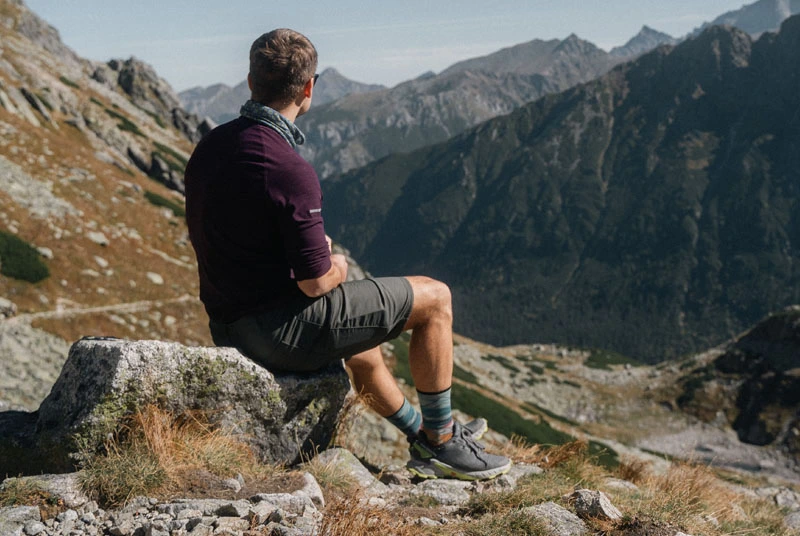
For outdoor brands, sports retailers, and private label buyers, custom hiking socks are not simply regular socks with a logo added. They are functional outdoor products that require careful consideration of materials, sock construction, and performance features during the product development process. Quick Overview Custom hiking socks are functional outdoor products designed for different hiking applications. They need to provide key performance features such as moisture management, blister prevention, cushioning, durability, and long-wearing comfort. Common materials used for custom hiking socks include Merino wool, Alpaca wool, and various functional synthetic fiber blends. The cost of custom hiking socks depends on factors such as yarn composition, sock weight, construction design, functional features, and order quantity. Even a small difference in sock weight can significantly affect bulk pricing due to variations in yarn consumption and material costs. MOQ and lead time vary depending on materials and production requirements. For example, at Sockcn, custom hiking socks made with common materials such as cotton, bamboo fiber, and polyester start from 100 pairs per design. Merino wool hiking socks can also start from 100 pairs per design, while custom Alpaca socks require a higher MOQ, usually starting from 300 pairs per design. If using yarns already available in the factory, production can usually be completed faster. Custom yarn development or special colors may require additional development time. Manufacturers with extensive experience in functional sock production can help brands optimize material combinations, sock construction, and production processes, ensuring consistent product quality, performance, and end-user comfort. What Are Custom Hiking Socks Custom hiking socks are functional outdoor socks designed and manufactured according to the requirements of outdoor brands, retailers, or private label companies. Unlike standard hiking socks, custom hiking socks are developed not only to create brand differentiation but also to meet specific requirements related to hiking environments, wearing duration, and performance expectations. For outdoor brands, a high-quality hiking sock is not simply a “thicker sock.” During long-distance hiking, mountain trekking, or challenging weather conditions, material selection, moisture management, cushioning, and overall fit can directly affect the user experience. For example, unsuitable socks may cause excessive moisture, increased friction, blisters, and discomfort during extended outdoor activities. Best Materials for Custom Hiking Socks Material selection is one of the most important aspects when developing custom hiking socks. Common materials used for custom hiking socks include: Merino Wool Hiking Socks Merino wool is one of the most popular materials used in premium outdoor socks. Compared with regular wool, Merino wool fibers are finer and softer, providing excellent temperature regulation while also offering moisture management and odor-control benefits. Merino wool hiking socks are commonly used for long-distance hiking, camping, trekking, and outdoor activities where temperatures can change significantly. Alpaca Wool Hiking Socks Alpaca wool is a natural fiber known for its high comfort level and excellent warmth. For brands looking to create a differentiated premium outdoor product line, best alpaca socks for hiking can be an alternative option to traditional wool-based products. The main advantages of Alpaca wool include: Softer feel, making it suitable for next-to-skin wear; Excellent warmth and insulation; Suitable for developing premium outdoor products with a natural material positioning. Due to the supply availability and cost of Alpaca wool yarn, Alpaca hiking socks are more suitable for mid-to-high-end product lines. Brands should confirm material availability, MOQ, and production timeline in advance when developing these products. Synthetic Hiking Socks Besides natural fibers, functional synthetic fibers are also commonly used in custom hiking socks. Examples include: Polyester Nylon Coolmax® and other performance fibers These materials typically offer: Faster drying performance; Better abrasion resistance; More stable bulk production performance; Easier cost control. For brands developing lightweight, summer hiking, or high-intensity outdoor products, synthetic fiber blends are also a common solution. How Hiking Socks Prevent Blisters and Improve Comfort Blisters are one of the most common foot problems during hiking. They are usually caused by a combination of moisture, continuous friction, and prolonged pressure on the feet. Developing custom hiking socks that help reduce blister risks is not simply about making socks thicker. The key is to improve the foot environment through proper material selection and functional construction. For example: Moisture management: Materials such as Merino wool and synthetic fibers help control moisture levels and reduce friction caused by wet conditions. Friction control: Proper fit and sock construction help minimize movement between the sock and foot. Protection and comfort: Well-designed cushioning improves comfort during long hiking activities. Hiking Sock Construction: Height, Cushioning and Support A high-performance hiking sock is not created simply by adding more thickness. It needs to be designed according to the usage environment, footwear type, and activity intensity. Sock Height: Protection Around Hiking Boots Different sock heights are suitable for different outdoor applications. Common hiking sock heights include: Ankle Socks: Suitable for lightweight hiking, short-distance activities, or low-cut hiking shoes. Crew Socks: The most common hiking sock length, providing coverage around the ankle area and helping reduce friction between the skin and footwear. Boot Socks: Usually designed with a higher sock height for use with hiking boots, providing better protection during challenging terrain and long-duration hiking. Choosing the right sock height can help reduce friction from footwear and lower the risk of irritation around the ankle area. Cushioning Level: Balancing Comfort and Performance During long-distance hiking, the feet experience continuous impact from the ground. Therefore, many cushioned hiking socks include additional support in areas such as: Heel cushioning; Forefoot cushioning; High-impact zones. Proper cushioning design can: Reduce pressure on the feet; Improve comfort during extended wear; Help minimize discomfort caused by friction. However, hiking socks are not always better when they are thicker. Brands need to select different sock weights based on their target market and product positioning: Lightweight hiking socks: Suitable for warm weather, summer hiking, and lightweight outdoor products. Midweight hiking socks: Suitable for most everyday hiking and outdoor activities. Heavyweight hiking socks: More suitable for cold environments, winter hiking, and extended outdoor use. Arch Support and Sock Fit During long hiking activities, socks that cannot
China Running Socks Supplier Guide
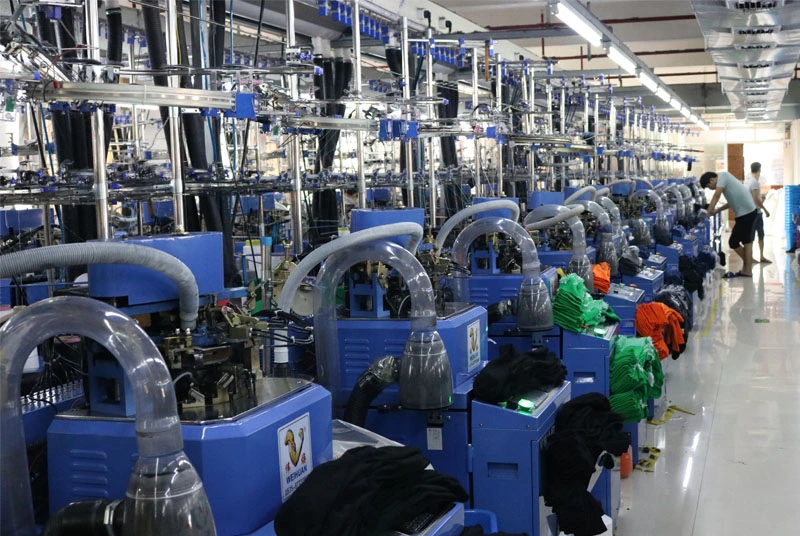
For sports brands, outdoor brands, and retailers, finding a reliable running socks supplier in China is not just about comparing prices. More importantly, it requires evaluating whether the supplier has the professional capabilities to manufacture high-performance running socks. This guide covers key factors including supplier evaluation, material selection, custom development, quality inspection, MOQ, production timeline, and logistics cost management to help buyers find the right long-term running socks manufacturing partner. Why Source Running Socks From China China has a complete socks manufacturing supply chain, covering yarn production, knitting, dyeing, finishing, packaging, and delivery. This allows global sports brands, retailers, and private label businesses to access stable and efficient supply chain support. Compared with regular everyday socks, high-performance running socks have much higher technical requirements in areas such as breathable mesh zones, moisture management, arch support, targeted cushioning, and durability. For brands, sourcing from China is no longer only about cost control. It also provides advantages such as: A wide range of material options: Suppliers can customize yarn blends based on different product positioning, including trail running, daily training, or general fitness. Flexible OEM customization: Brands can develop running socks with customized functional features and packaging solutions. Large-scale production capabilities: Reliable manufacturing capacity ensures stable delivery for bulk orders. Factory insights: Although China is one of the world’s largest sock manufacturing hubs, not every factory has the capability to produce functional performance socks. When selecting a supplier, brands should focus on the manufacturer’s expertise in functional sock knitting technology, product development experience, and long-term quality control capabilities. What Makes a High-Quality Running Sock? High-quality running socks require multiple functional designs to provide comfort, stability, and durability during physical activity. Common performance features include: Cushioning zones and reinforced structures: Additional terry loops in areas such as the heel, forefoot, and toe help reduce impact and extend sock durability. Breathable mesh zones and moisture-wicking performance: Mesh structures on the instep improve airflow and enhance ventilation. Arch support and ergonomic fit: Arch support bands improve stability and help prevent the socks from shifting during movement. Seamless design: Reduces friction between the sock and skin, helping minimize discomfort and the risk of blisters during long-distance running. Suitable yarn combinations: Improve elasticity, durability, and overall performance. For brands, choosing a running socks supplier requires confirming whether the factory has the knitting capabilities to produce these functional structures, rather than only having experience manufacturing standard socks. How to Choose a Reliable Running Socks Manufacturer in China When selecting a running socks supplier, buyers should evaluate the factory’s manufacturing capabilities, experience in developing functional socks, and supply reliability. Experience in functional running sock production: Running socks require specialized technologies such as breathable zones, cushioning structures, arch support, and compression designs. A supplier’s previous experience developing similar products is an important indicator of its expertise. Stable production capacity: Buyers should understand whether the factory owns its production equipment, has stable manufacturing processes, and can handle bulk orders while maintaining consistent quality and delivery schedules. Product development capabilities: A capable sock manufacturer can provide recommendations on yarn selection, structure optimization, and production techniques to help brands develop running socks that better meet market needs. Quality control system: Reliable manufacturers should have comprehensive quality management procedures, including production inspections, finished product checks, and pre-shipment quality confirmation to reduce risks in bulk production. Supplier verification methods: Before starting cooperation, buyers can verify the supplier’s actual manufacturing capabilities through factory videos, online factory audits, or on-site visits. Choosing Materials for Performance Running Socks Material selection directly affects the comfort, performance, and market positioning of running socks. Common materials used for high-performance running socks include: Quick-drying synthetic fibers: Functional yarns such as polyester and nylon offer excellent abrasion resistance, fast-drying performance, and elasticity retention, making them suitable for daily training and high-intensity running socks. Merino Wool: With natural temperature regulation, moisture absorption, and odor-resistant properties, Merino wool is ideal for premium running socks designed for outdoor running, trail running, and all-day comfort. High-stretch support fibers and functional elastics: Elastic fibers and specialized knitting structures provide targeted support, creating running socks with enhanced compression, fit, and stability. Custom Running Socks Development for Different Brand Needs For sports brands, retailers, and private label businesses, custom running socks are not simply about adding a logo. They require comprehensive product development based on brand positioning, target customers, and performance requirements. Common customization options include: Design customization: Brands can customize colors, patterns, logo placement, packaging, and overall visual style to create running socks with strong brand identity. Functional feature customization: Different performance needs can be developed, including lightweight breathable running socks, cushioned training socks, compression running socks, or outdoor running socks made with wool materials. Private Label support: Suppliers can provide complete support from sample development and material selection to bulk production and packaging, helping brands establish their own product lines. MOQ, Sampling Process and Production Timeline The MOQ for running socks depends on factors such as product design, material selection, customization requirements, and order quantity. For brands and retailers, flexible MOQ options can help reduce the risks of new product development. Sockcn supports custom running socks projects with MOQ starting from 100 pairs, making it suitable for brand testing, new product development, and small-batch purchasing. For samples, existing product quality samples can be provided quickly depending on stock availability and can usually be shipped on the same day. Customers typically receive them in around 3 days. For customized designs, samples can usually be completed within around 3 days when materials are available, and customers can generally receive samples for confirmation within one week. Bulk production timelines depend on order quantity, material preparation, and product complexity. Logistics and Cost Management When Sourcing From China Brands can choose suitable shipping methods based on order volume and delivery requirements, while improving transportation efficiency through consolidated shipments and optimized packaging methods. In international trade, common incoterms include FOB, FCA, and DAP. Different terms define different responsibilities and cost allocations between buyers and suppliers. For bulk orders, sea freight is usually the
How to Choose the Right Socks for Cycling
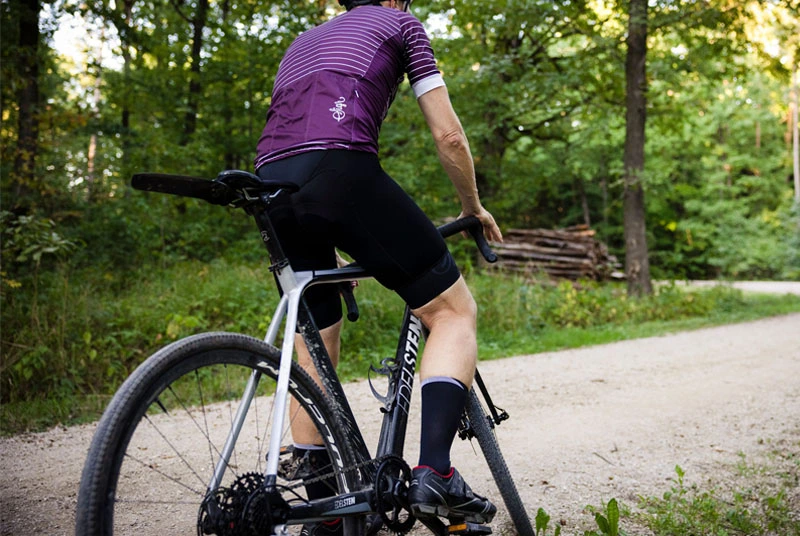
How do you choose the right pair of cycling socks? A good pair of cycling socks should be lightweight, moisture-wicking, and fit closely without bunching up inside stiff cycling shoes. In this guide, we'll look at different riding styles, materials, sock heights, cushioning, and performance features to help you understand what makes a good pair of cycling socks and choose the one that best suits your riding needs. Start by Choosing Socks for Your Riding Style Not all cycling socks are designed for the same type of riding. Road cycling, racing, and indoor cycling all place different demands on breathability, fit, cushioning, and overall sock construction. Road Cycling Socks Road cycling usually involves long-distance rides and continuous pedaling, so lightweight, close-fitting, and quick-drying socks are generally the best choice. Since road cycling shoes typically have a narrow fit and a stiff sole, socks that are too thick can add extra bulk inside the shoe and reduce pedaling comfort. A blend of nylon and polyester with around 2–5% spandex is generally recommended to provide a good balance of durability, stretch, and moisture management. Crew socks (15–18 cm) are the most common choice for road cycling today, offering a good balance of comfort, sun protection, and overall style. Representative Brands: Rapha, MAAP, Assos, Castelli Cycling Race Socks Cycling race socks place more emphasis on pedaling efficiency and aerodynamic performance. For that reason, they are usually made with an ultra-lightweight construction to reduce bulk inside the shoe and create a more direct connection between the foot and the cycling shoe. High-gauge nylon or polyester blends with a small amount of spandex are generally recommended to provide a secure fit and fast moisture management. Most race socks come in Crew or Race Length (15–18 cm). If you compete in UCI-sanctioned races, you should also make sure the sock height complies with the current competition regulations. Representative Brands: Rapha, Swiftwick, Castelli Fast Feet Indoor Cycling Socks Indoor cycling doesn't have natural airflow to help cool your feet, so the biggest challenge is usually heat and heavy sweating rather than keeping warm. Lightweight socks made from quick-drying synthetic fibers such as polyester, nylon, or Coolmax® are generally recommended to help sweat evaporate quickly and keep your feet dry and comfortable. In comparison, merino wool is better suited to cold outdoor conditions and is usually not the first choice for most indoor training sessions. Representative Brands: Defeet, Rapha, Swiftwick Factory Insight Although cycling socks are designed for different riding conditions, there are a few construction details worth paying attention to when choosing a pair. Look for features such as seamless toe closures, arch support, mesh ventilation zones, reinforced heel and toe, and a secure elastic cuff. Together, these details help improve fit, moisture management, durability, and comfort on long rides. Choose the Right Material Road cycling and indoor cycling generally benefit more from quick-drying synthetic fibers. For cold weather, long-distance rides, and bikepacking, merino wool is a better choice thanks to its natural temperature-regulating properties. Bamboo, with its soft feel and good breathability, has also become increasingly popular for everyday cycling and urban commuting. Merino Wool Merino wool is especially well suited for cold weather, long-distance rides, and cycling in conditions with changing temperatures. It can absorb moisture while still providing excellent insulation. As your feet begin to sweat, the fibers help regulate moisture inside the shoe, reducing the chilling effect caused by dampness in cold conditions. That's why merino wool is commonly used in socks designed for endurance cycling and bikepacking. Synthetic Fibers For road cycling, racing, and indoor cycling, polyester and nylon blends remain the most common choice. Their biggest advantages are low weight, fast drying, and the ability to move moisture away from the skin to the outer layer of the fabric. This makes them especially suitable for hot weather and high-intensity riding. Bamboo Bamboo fibers have become increasingly popular in recent years for urban commuting, casual cycling, and summer rides. Compared with traditional cotton, bamboo offers a softer feel along with good breathability and moisture absorption, helping keep your feet comfortable. It's also a good option for riders who wear their socks for long periods or have more sensitive skin. Cotton Cotton socks are generally not a good choice for cycling. Cotton absorbs sweat easily but doesn't release moisture very quickly. When socks stay damp for a long time, they can increase friction and may lead to blisters and discomfort. Factory Insight For OEM cycling socks, choosing the right material is about more than performance. It also affects color development, sampling efficiency, and production consistency. For example, we keep more than 300 commonly used bamboo yarn colors in stock, allowing many colors to go straight into sampling without additional dyeing. This helps brands confirm color options more quickly, and in many cases, the first sample can be completed in as little as one day, significantly shortening the product development cycle. Choose the Right Height Sock height doesn't just affect how your socks look. It also influences comfort, protection, and the overall riding experience in different cycling conditions. For most cyclists, there isn't one "right" sock height. The best choice depends on your riding environment, the weather, and your personal preference. Sock Height Approx. Length Best For Why It Works No-Show / Ankle 5–7 cm Indoor Cycling, Hot Weather, Casual Riding Lightweight and highly breathable, making it ideal for warm conditions where maximum ventilation is preferred. Quarter / Mid Crew 10–12 cm Daily Road Cycling, Fitness Riding Offers a good balance of comfort, breathability, and protection, making it suitable for everyday rides. Crew / Race Length 15–18 cm Road Cycling, Long-Distance Riding, Racing The most popular choice among road cyclists, providing better sun protection, a secure fit, and a clean, professional look. Compression Socks Full Calf Recovery, Endurance Training, Long Travel Designed to promote circulation and support recovery rather than improve everyday cycling performance. Note: If you participate in UCI-sanctioned road races, make sure your sock height complies with the current competition regulations,
Everything You Need to Know About Chinese Sock Manufacturer
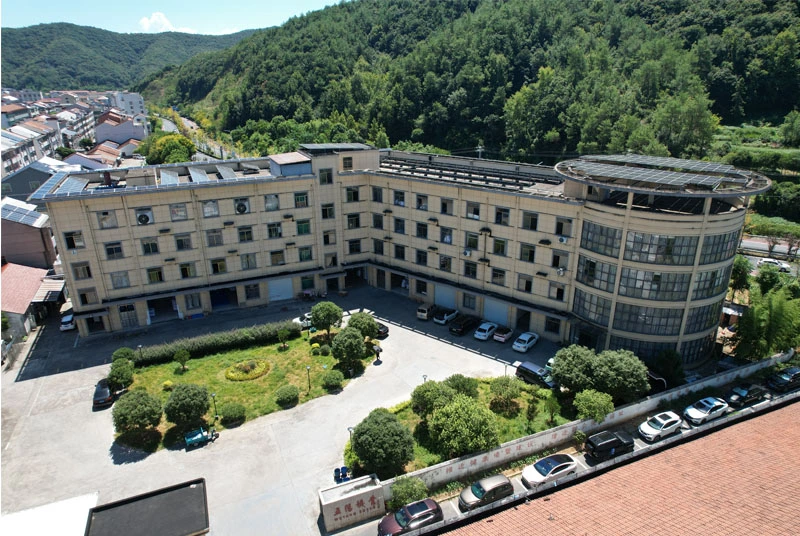
China is the world's largest sock-producing country. Backed by advanced manufacturing capabilities and a fully integrated supply chain, Chinese sock manufacturer can produce everything from basic cotton socks and high-performance athletic socks to premium wool socks and custom products for brands of all sizes. Whether you're sourcing a private label collection, developing a new product line, or looking for a long-term manufacturing partner, this guide covers everything you need to know about China's sock manufacturing industry. Why China Leads the Global Sock Industry According to industry statistics, China produces more than 35 billion pairs of socks every year, accounting for over 70% of global sock production. Chinese-made socks are exported to major markets including North America, Europe, Japan, Australia, and many other countries. China's strength goes far beyond production capacity. After decades of industry development, Chinese manufacturers have accumulated extensive experience in producing everything from everyday cotton socks to performance athletic socks, merino wool socks, compression socks, and other specialty products. Most factories also offer flexible manufacturing services, including OEM, ODM, and Private Label production. As manufacturing equipment and automation technologies continue to improve, China's sock industry has evolved from a cost-driven manufacturing base into a mature production ecosystem that combines product quality, manufacturing efficiency, and supply chain reliability. Why Zhuji Is Known as the Sock Capital of China Although socks are manufactured across many regions in China, Datang Town in Zhuji, Zhejiang Province, is widely recognized as the world's largest sock manufacturing cluster. In recent years, China's annual sock production has remained between 35 and 40 billion pairs, representing around 70% of global output. Of that total, Datang alone produces more than 25 billion pairs annually, accounting for nearly two-thirds of China's production and making it the largest sock manufacturing base in the world. Large quantities of socks produced here are exported to the United States, Japan, South Korea, Europe, and many other international markets. One of Zhuji's greatest advantages is its highly concentrated and fully integrated supply chain. Nearly every stage of sock production can be completed locally—from yarn sourcing and knitting machine manufacturing to knitting, dyeing, heat setting, toe closing, packaging, accessories, and export logistics. This industrial cluster significantly improves manufacturing efficiency while accelerating new product development, sample production, and mass manufacturing. Factory Insights Many international buyers specifically look for sock factories in Zhuji—not because of the location itself, but because of its mature supply chain, experienced technicians, and comprehensive manufacturing resources. For brands that regularly develop new products, require quick replenishment, or seek long-term manufacturing partners, this industrial ecosystem often translates into higher production efficiency and greater supply chain stability. How Chinese Sock Manufacturers Produce Quality Socks Professional sock manufacturers follow standardized production processes that carefully manage every stage, from raw material sourcing to final shipment, ensuring consistent quality across every production batch. Material Selection Different products require different yarn combinations. For example, athletic socks commonly use combed cotton, nylon, and spandex to balance comfort, elasticity, and durability. Outdoor and winter socks typically incorporate merino wool, alpaca wool, and other natural fibers to provide better warmth, moisture management, and overall wearing comfort. Professional manufacturers don't simply choose yarn types—they also optimize fiber blends, yarn counts, and knitting structures according to each product's intended use, helping brands achieve the right balance between cost, performance, and market positioning. Knitting Technology Compared with conventional knitting equipment, modern computerized sock knitting machines can precisely control needle count, stitch structure, and pattern details. This makes it possible to create functional features such as cushioning zones, mesh ventilation panels, varying fabric thickness, and arch support. However, machinery is only part of the equation. Product consistency is also influenced by machine settings and manufacturing experience. Even factories using the same knitting machines may produce socks that differ significantly in size consistency, fabric density, and overall quality. Toe Closing After knitting, socks remain open at the toe and must be closed before becoming finished products. The two most common methods are machine toe sewing and Rosso Toe Linking. Machine sewing offers high efficiency and is suitable for large-volume production, but it typically creates a more noticeable toe seam that may cause friction during wear. Premium socks are more commonly finished with Rosso toe linking, which creates a flatter and smoother seam for enhanced comfort. This technique is especially popular for high-quality wool socks, athletic socks, and products designed for premium performance. Quality Inspection Professional sock manufacturers implement quality control throughout the production process—from incoming raw material inspections and in-process quality control to final inspections before packaging. Each production stage is checked for size accuracy, color consistency, knitting quality, appearance, and packaging. For export orders, manufacturers also follow customer-specific quality standards and inspection procedures to ensure every shipment meets brand requirements while minimizing quality risks after delivery. OEM, ODM, and Private Label: What's the Difference? Although OEM, ODM, and Private Label are all common manufacturing models, each is designed for different business needs and product development approaches. OEM Socks With OEM manufacturing, the customer provides the product design, logo, colors, packaging, or technical specifications, while the factory handles sampling, production, and quality control. This model is ideal for established brands, retailers, and e-commerce businesses that want fully customized products while maintaining complete control over product design. ODM Socks ODM is better suited for businesses that want to launch products quickly but don't yet have a dedicated product development team. Under this model, manufacturers provide proven product designs that customers can customize with their own colors, logos, packaging, and selected design elements before selling under their own brand. ODM is particularly suitable for startups, market testing, and brands looking to expand their product lines efficiently. Private Label Socks Private Label refers to selling products under your own brand while using designs that are already developed by the manufacturer. Instead of developing products from scratch, customers mainly customize their branding, packaging, and selected product details, allowing them to enter the market more quickly with lower development costs. What to Ask Before Choosing a Chinese Sock Manufacturer
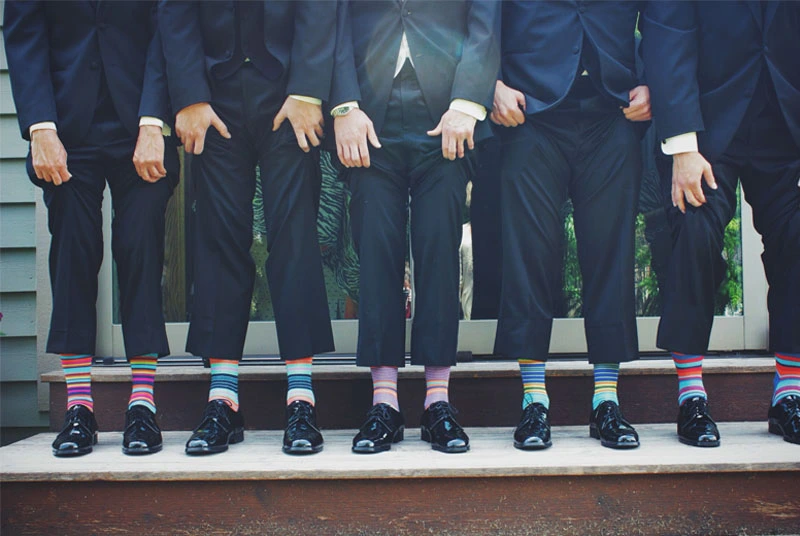
Custom Socks for Events: A Complete Planning Guide
If you're planning custom socks for corporate events, trade shows, marathons, school programs, or promotional campaigns, this guide will help you organize your project from start to finish. We'll cover everything you need to know—from choosing the right sock style, customization method, and packaging to understanding production timelines and avoiding common ordering mistakes—so your event socks are delivered on time and leave a lasting impression. Why Custom Socks Are Perfect for Events Compared with traditional promotional giveaways, custom socks offer a unique combination of practicality, brand visibility, and long-term value. Instead of being discarded after an event, quality socks are often worn repeatedly, helping extend your brand exposure long after the event has ended. That's why more companies, schools, nonprofits, and event organizers are choosing custom socks for: Corporate events Trade shows Product launches Employee appreciation programs School activities Charity events Sports competitions With custom socks, you can personalize the sock style, colors, logo placement, and packaging to match your branding. Whether you're ordering large quantities for giveaways or premium gift sets for VIP guests, there are flexible customization options to fit different event goals and budgets. Custom Sock Ideas for Different Events Different events have different priorities. Before designing your event socks, it's important to define your objectives first, then choose the appropriate sock style, materials, customization method, and packaging. Corporate Events For corporate events, simple and versatile designs usually work best. Crew socks made from combed cotton or cotton blends provide excellent comfort while keeping costs under control. We typically recommend jacquard logos because they're durable, professional-looking, and won't fade over time. Pairing the socks with a belly band or hang tag creates a polished presentation that's ideal for employee gifts, company anniversaries, or client appreciation events. Trade Shows & Conferences At trade shows and conferences, custom socks are more than giveaways—they're brand ambassadors. Bright colors and clearly visible logos help attract attention on busy exhibition floors. Crew socks combined with simple hang tags or paper card packaging make distribution easy while strengthening brand recognition. Marathons & Sporting Events Performance matters most for sporting events. Athletic sock constructions combined with moisture-wicking yarns such as nylon blends or Coolmax® provide greater comfort for participants. If sponsors are involved, event logos and sponsor branding can both be incorporated into the sock design, delivering performance and promotional value at the same time. Schools, Clubs & Fundraising Events School programs, clubs, and fundraising campaigns often benefit from bold, memorable designs that help build team spirit. Crew socks customized with school colors, mascots, event themes, or fundraising messages make practical souvenirs that participants continue wearing after the event. If the socks are sold as fundraising merchandise, retail-ready packaging can further increase their perceived value. Print or Jacquard? Choosing the Right Decoration Method One of the most common questions we receive is: "Should we choose jacquard or printed socks?" The answer depends on your artwork, budget, and intended use. Jacquard Printed Logo is knitted directly into the sock Design is printed after knitting Extremely durable and fade-resistant Excellent for colorful artwork Best for logos, text, and brand colors Best for photos, gradients, and complex illustrations Ideal for long-term branded merchandise Ideal for promotional campaigns and creative events Jacquard logos become part of the sock itself, giving a premium appearance and outstanding durability. If you want attendees to continue wearing the socks long after the event, jacquard is usually the better choice. Printed socks are better suited for designs that include photographs, gradients, detailed illustrations, or complex graphics that knitting cannot accurately reproduce. Ultimately, the right decoration method depends on your artwork, budget, production timeline, and intended application. If you're unsure, we can review your artwork and recommend the most suitable solution based on production feasibility and visual impact. Choose the Right Packaging for Your Event Socks For many attendees, the packaging creates the first impression before they even see the socks. Thoughtful packaging not only enhances the perceived value of the product but also strengthens your brand presentation. Belly Band Simple, clean, and cost-effective. A custom belly band displays your logo, event name, or company information while keeping the socks visible. Ideal for Corporate Events Employee Welcome Kits Brand Merchandise Customer Gifts Hang Tag Hang tags provide additional space for branding. Besides your logo, they can include product information, QR codes, social media accounts, or your brand story, making them especially suitable for promotional events. Ideal for Trade Shows Conferences Product Launches Promotional Giveaways Custom Gift Box For premium events such as VIP gifts or anniversary celebrations, a custom gift box creates a more memorable unboxing experience. Boxes can include welcome cards, brochures, or additional branded merchandise alongside the socks. Ideal for VIP Gifts Anniversary Events Premium Brand Campaigns Individual Poly Bag When distributing hundreds or even thousands of pairs at marathons or large public events, individual poly bags simplify transportation and on-site distribution while keeping products clean. Ideal for Marathons School Events Charity Events Large-scale Giveaways Sockcn Recommendation Based on our project experience, the best packaging isn't necessarily the most expensive—it's the one that matches your event objectives. Choose Belly Bands or Hang Tags if brand visibility is your priority. Upgrade to Custom Gift Boxes for premium client gifts or high-end campaigns. Select Individual Poly Bags for efficient large-scale distribution while keeping packaging costs low. Planning Your Event Order Proper planning helps ensure your event socks arrive on schedule. MOQ Minimum order quantities vary depending on the sock style and customization requirements. At Sockcn, most custom projects start from 100 pairs per design, making it easier for brands, businesses, and event organizers to launch custom programs without excessive inventory. Sample Development For new artwork or first-time projects, we recommend approving a sample before mass production. This allows you to verify colors, sizing, logo placement, and overall quality before full production begins. Production Lead Time Most custom orders require approximately 3–5 weeks from sample approval to completed production, depending on order quantity, customization options, and factory scheduling. Plan Ahead To ensure your event schedule isn't
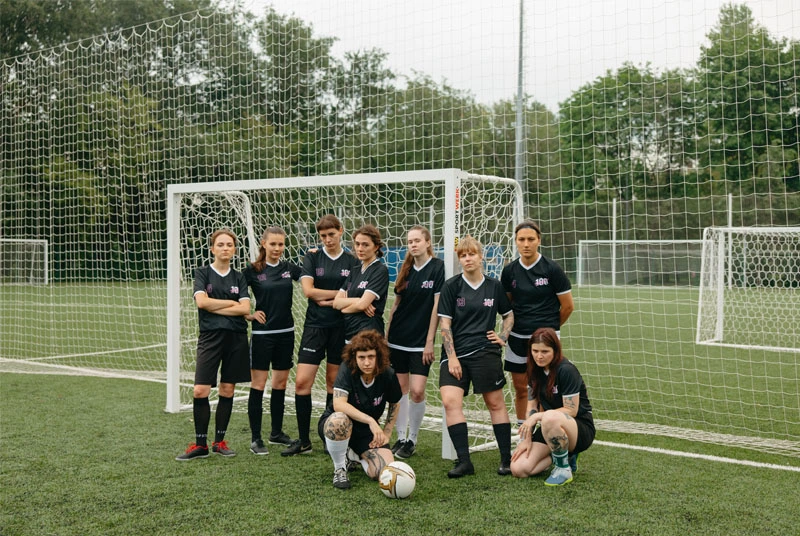
Bulk Team Socks: Buying Guide for Sports Teams, Schools & Events
If you're sourcing custom team socks for sports teams, schools, running clubs, or events, there are many factors beyond style and price that can affect the success of your project. This guide explains different types of bulk team socks, the customization process, purchasing considerations, and the key factors to evaluate when selecting a manufacturer, helping you plan a smooth and successful bulk order. What Are Bulk Team Socks? Bulk team socks are custom athletic socks manufactured in large quantities for sports teams, schools, clubs, events, and organizations, rather than for individual retail customers. They typically feature unified colors, logos, graphics, or brand elements to support team identity, athletic performance, brand promotion, or commemorative events. Compared with retail socks, bulk team socks place greater emphasis on design consistency, long-term durability, and manufacturing reliability. Buyers not only evaluate comfort and performance but also pay close attention to logo appearance, color consistency, size distribution, reorder consistency, and on-time delivery for sports seasons or events. Today, bulk team socks are used in a wide variety of applications, including: Schools and university athletic programs Basketball, soccer, volleyball, and other sports clubs Running clubs and marathon events Corporate sports days and team-building activities Brand promotions, event sponsorships, and promotional merchandise Who Typically Orders Bulk Team Socks? Although all bulk team sock projects involve group purchasing, different buyers have different priorities. Understanding these needs helps ensure better decisions regarding design, materials, logo presentation, and production planning. Sports Teams Sports teams typically prioritize athletic performance. Features such as cushioning, arch support, moisture management, durability, and anti-slip construction are often essential. They also expect accurate reproduction of team logos, colors, and sponsor branding while ensuring every player receives socks with consistent quality. Schools & Universities Schools usually focus on size coverage for different age groups, budget management, and long-term reorder consistency. One design often needs to accommodate multiple grade levels, and future orders for new students should match previous production in color, sizing, and logo appearance. Running Clubs & Marathon Events Running clubs often customize socks featuring their club logo and signature colors for training, races, and community branding. Comfort, breathability, moisture-wicking performance, and long-distance wear are usually top priorities. Marathon organizers frequently purchase team socks as race pack items, finisher gifts, volunteer uniforms, or event merchandise. Besides product quality, they also pay close attention to production capacity, delivery schedules, and reliable large-volume manufacturing. Sports Brands & Promotional Programs Sports brands and promotional campaigns typically place greater emphasis on brand presentation. They often require custom logos, brand color matching, retail packaging, and premium presentation to create a stronger brand experience. Since promotional launches usually have fixed deadlines, consistent production quality and reliable delivery schedules are especially important. What Makes a Good Pair of Team Socks? Every organization has different design requirements, but high-quality team socks should combine athletic performance, durability, visual consistency, and reliable production quality. Team Identity Team socks are an important part of a team's visual identity. Consistent colors, clearly displayed logos, team names, and custom graphics help improve recognition while strengthening team spirit and professionalism. During the design stage, it's important to ensure the logo size, placement, and colors work well with knitted construction to achieve the best appearance and production consistency. Comfort During Sports Comfort remains one of the most important considerations. High-impact sports like basketball and volleyball generally require additional cushioning and support, while running clubs and endurance events often prioritize breathability, moisture management, and reduced friction. The sock's thickness, knitting structure, and functional zones should be selected according to the intended sport rather than appearance alone. Durability Team socks are expected to withstand frequent training, competitions, and repeated washing. A quality pair should offer excellent abrasion resistance, long-lasting elasticity, and good color fastness so they continue performing well throughout the season. Consistent Quality Across Orders For most organizations, the first order is only the beginning. As new members join, new seasons begin, or inventory needs replenishing, buyers often place repeat orders. Maintaining consistent colors, logos, sizing, sock length, and overall workmanship across multiple production runs is essential for preserving a professional team image. Stable manufacturing processes and comprehensive quality control help minimize variations between orders. Customization Options for Bulk Team Socks Every team, school, and event has unique branding and performance requirements. Before sampling begins, buyers should define the key design elements and functional features of their socks. Logo Options Depending on your artwork, logos can be produced using jacquard knitting, embroidery, or other suitable decoration methods. Because socks are knitted products, highly detailed artwork cannot always be reproduced exactly. For the best results, logos should be clean, simple, and designed with sufficient space. Complex graphics should be reviewed with the manufacturer before sampling to confirm they are suitable for knitted construction. Team Colors Most teams and schools have established brand colors, so socks are often expected to match uniforms and other equipment. For long-term projects and future reorders, it's recommended to finalize colors during sampling and record the corresponding Pantone color references whenever possible. Length Sock length depends largely on the intended sport. Basketball socks commonly use Crew Length for balanced support and comfort. Soccer socks typically use Over-the-Calf construction to cover shin guards. Running clubs and event socks often prefer Crew or Quarter Length for versatility and everyday wear. Cushioning Proper cushioning improves comfort while reducing impact during athletic activities. Basketball and volleyball socks often include additional padding in the heel and forefoot, while running socks generally balance lightweight construction with breathability and moderate cushioning. Selecting the appropriate cushioning structure helps optimize performance for each application. Materials Material selection directly influences comfort, durability, and athletic performance. Most team socks use blends of cotton, polyester, nylon, and spandex to balance moisture management, elasticity, and abrasion resistance. For colder climates or specialized sports, performance fibers such as Merino wool can also be incorporated. Rather than focusing on a single fiber, materials should be selected based on the sport, environment, budget, and expected product lifespan. Things Buyers Should Consider Before Ordering MOQ Many
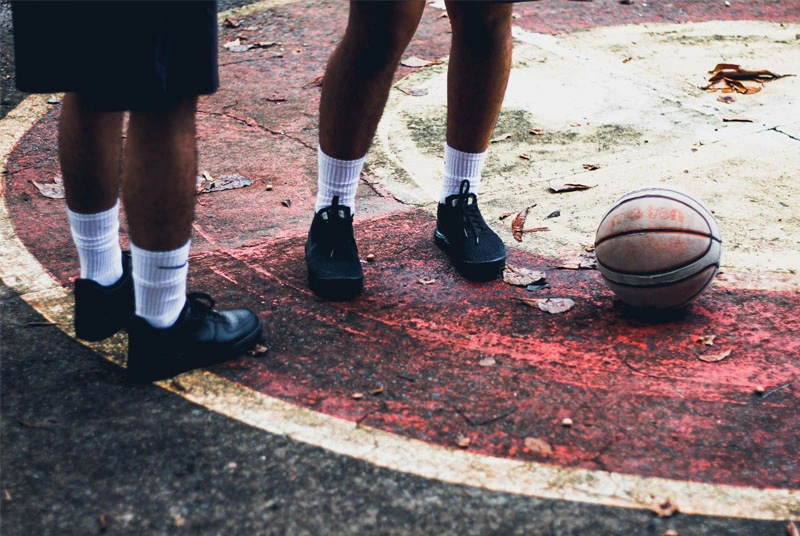
Top Custom Basketball Socks Manufacturers for Private Label Brands
A high-quality custom basketball sock must strike a balance between cushioning, support, breathability, moisture management, and durability. At the same time, it needs to meet commercial requirements such as brand customization, logo placement, color matching, packaging, and scalable production for future orders. For this reason, choosing the right manufacturer is not just about OEM capability—it is about finding a partner who understands both basketball performance requirements and your long-term business goals. In this guide, we take a buyer-first perspective rather than simply listing manufacturers. We will first break down the key considerations when sourcing basketball socks, then explore common purchasing scenarios, and finally compare six representative custom basketball socks manufacturers to help you identify the best partner for your brand, team, or business. Why Choosing a Basketball Socks Manufacturer Is Different When brands look for sock manufacturers, they often start with price, MOQ, or lead time. However, when it comes to basketball socks specifically, the evaluation criteria become much more complex. Custom basketball socks are not just about changing colors or adding a logo. They need to be designed around the demands of basketball performance—balancing cushioning, stability, durability, moisture control, and comfort during high-intensity movement. From a sourcing perspective, selecting a basketball sock manufacturer is essentially about balancing two key dimensions: performance requirements and business requirements. Performance Requirements When evaluating a manufacturer, the key question is not only whether they can produce socks, but whether they understand the structural and functional requirements of basketball socks. For example: Whether they can design appropriate terry cushioning zones for impact absorption Whether they can develop arch support and compression zones for stability Whether they can recommend suitable yarns and materials for training, game-day, or everyday wear Whether they can balance breathability, moisture-wicking, and long-term durability Whether they can maintain consistent performance while applying logos, colors, and knit designs A strong manufacturer is not just a production facility—they are a development partner who helps translate product concepts into performance-ready basketball socks. Business Requirements For most brands, the goal is not just to produce a single batch of socks, but to build a scalable product line. Key business considerations include: Private label and packaging support Ability to handle different order stages, from sampling to bulk production Stable delivery performance for seasonal restocks or product launches Consistency across different production batches Efficient communication during sampling, revisions, and production Experience with global shipping and export logistics Ultimately, the ideal manufacturing partner is not the one with the strongest single capability, but the one that can balance product performance, manufacturing reliability, and long-term business support. Common Buying Scenarios for Custom Basketball Socks Different purchasing scenarios lead to very different manufacturing requirements. Before selecting a supplier, it is important to clearly define your buying intent. Launching a Basketball Brand For sports brands or startups, basketball socks are often part of a broader product expansion strategy rather than a standalone item. At this stage, brands typically already have a logo, visual identity, and target audience. The goal is to extend their product line with a performance-driven basketball sock collection. Key requirements often include: Logo application and custom color development Material and performance recommendations based on target market Private label packaging and branding support Long-term scalability for future product expansion Team & Club Orders Schools, clubs, and team programs usually prioritize consistency and reliability over experimentation. Because multiple batches may be required during a season, maintaining color accuracy, logo consistency, and sizing uniformity becomes critical. Key considerations include: Accurate team color and logo matching Player number or personalization options Batch-to-batch consistency Seasonal restock capability School, College & NCAA Programs Educational and athletic institutions often manage multi-team and multi-age group orders, requiring strong production coordination. Durability and long-term performance under frequent training conditions are especially important. Key considerations include: Multi-size and multi-team support Long-term or phased production cycles Durable construction for high-frequency use Experience with institutional or campus programs Basketball Tournaments & Camps Basketball tournaments, seasonal leagues, and training camps usually operate on fixed schedules, making delivery time one of the most critical factors. Many organizers require uniforms or merchandise to be ready before a specific event date. In fact, many buyers specifically search for fast turnaround custom basketball socks for tournaments and camps, where both speed and reliability are essential. If you're interested in how performance and materials impact product selection for these scenarios, you may also find our guide on Best Basketball Socks for Brands and Retailers helpful. Key considerations include: Fast sampling and production capability Ability to handle urgent or time-sensitive orders Reliable delivery within strict deadlines Flexible order quantities for events and camps Retail & Promotional Collections Beyond sports teams, many brands and organizations now use custom basketball socks for retail collections, promotional campaigns, and corporate events. Key considerations include: Strong logo and graphic customization options Retail or gift-ready packaging solutions Multi-channel product adaptability Balance between branding, cost, and delivery efficiency How We Evaluated Custom Basketball Socks Manufacturers To ensure this list is practical and relevant, we did not rank manufacturers based on size, revenue, or production volume. Instead, we evaluated them based on what matters most in real-world basketball sock sourcing: Basketball product development experience Customization capabilities across different project types Manufacturing stability and production reliability Ability to support long-term private label partnerships More importantly, we focused on which type of buyer each manufacturer is best suited for, rather than simply determining who is the best overall. Based on these criteria, we selected six representative custom basketball sock manufacturers to help you make a more informed sourcing decision. Top Custom Basketball Socks Manufacturers Compared The custom basketball sock market includes many different types of manufacturers. Some focus on domestic production, others emphasize fast delivery, while some specialize in high-performance or branded product development. The comparison below provides a quick overview of their positioning. Manufacturer Best For MOQ Typical Lead Time Manufacturing Model Ideal Buyers The Sock Factory U.S.-made team basketball socks 100 pairs 2–4 weeks USA Manufacturing Schools, Clubs & Local Teams Hype Socks Fast turnaround
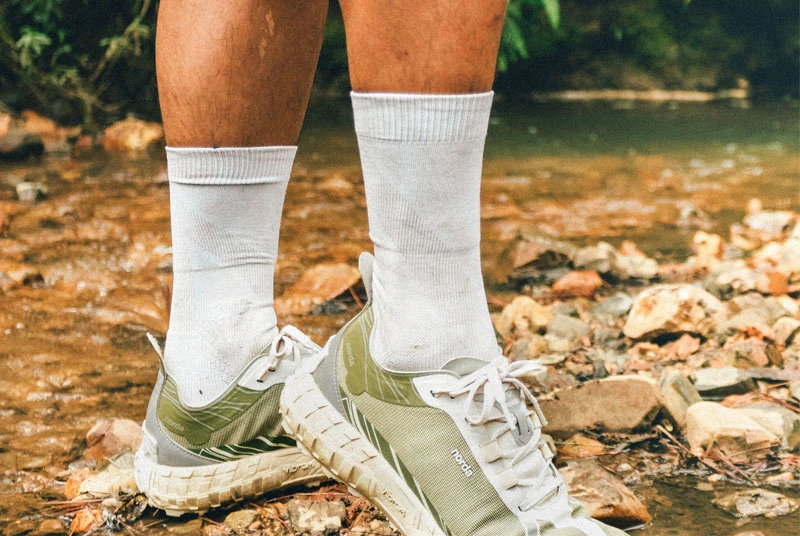
What Makes the Best Wool Socks? Factory Insights Beyond Product Reviews
If you search for the keyword “best wool socks”, the Google homepage is almost entirely filled with brand recommendations, product reviews, and Reddit user experiences. These contents tell you which socks are worth buying, but they rarely explain why they are considered the best. As a socks factory with years of experience in development and manufacturing, we want to break down the design logic behind a high-quality wool sock from the perspectives of materials, structure, craftsmanship, and application scenarios. Is There Really a "Best" Wool Sock? A pair of wool socks suitable for winter hiking may not be suitable for summer running; wool socks suitable for skiing are also not necessarily the most comfortable for daily commuting. Different use cases, environments, and needs completely change the definition of “best”. There is also a significant difference between how consumers and factories define what makes the best wool sock. For brands to create better wool socks, they need to understand customer needs—and also work with a factory that understands product development. Consumers care more about Factories care more about Comfort Yarn quality Warmth Material composition Durability Knitting structure Pilling resistance Reinforcement design Odor resistance Use scenarios & performance positioning Consumers see the final wearing experience, while factories focus on the design and manufacturing logic behind those experiences. In many cases, a wool sock performs well not because of the brand name, but because its material selection, yarn quality, knitting structure, and functional design match its intended use. What Actually Makes a Wool Sock Great? A truly excellent wool sock is the result of materials, yarn, structure, and craftsmanship working together. Even if two socks are both labeled as Merino Wool, they may still differ significantly in comfort, durability, warmth, and lifespan. Wool Fiber Selection Wool is not a single uniform material. Different types of wool have different performance characteristics, and therefore different product positioning. For example: Merino Wool: Fine, soft, and skin-friendly. It has excellent moisture-wicking and temperature-regulating properties and is the most common choice for high-performance sports socks. Regular Wool: Lower cost and good warmth, but with coarser fibers and usually less comfort than Merino Wool. Alpaca Wool: Superior warmth, lighter weight, and naturally hypoallergenic, but also more expensive, typically used in high-end products. Wool Blends: By blending with nylon, polyester, or spandex, a better balance of comfort, durability, and elasticity can be achieved, making this the most common solution in the market today. Factory Insight Many people believe that as long as the label says Merino Wool, the quality must be good. In reality, not all Merino wool is the same. Besides wool type, fiber length, micron, and raw material grade all affect softness, durability, and lifespan. For factories, material name is only the starting point. What truly determines quality is the grade of raw materials and the processing methods used. Fiber Blend Ratio Wool content is not the higher the better. Wool provides warmth, moisture-wicking, and natural odor resistance, but it is not a highly abrasion-resistant material. Therefore, most high-performance wool socks include a proper ratio of nylon and spandex. For products that require higher durability, such as hiking socks, work socks, or ski socks, increasing nylon content is often more important than simply increasing wool percentage. Factory Insight In wool sock development, we do not recommend a fixed wool ratio for all customers. Instead, we first understand the product’s use case and performance goals. There is no “best wool ratio” for all products—only the most suitable material solution based on positioning, target users, and budget. Knit Construction Besides materials, knitting structure also affects the wearing experience of wool socks. Common structures include: Cushion: Adds shock absorption and improves comfort during long wear. Rib: Improves fit around the cuff and body, reducing slippage. Mesh: Improves airflow and enhances moisture management. Compression Zones: Provides arch support and improves athletic stability. Different sports and use cases require different structural designs. For example, running socks emphasize breathability and support, while hiking socks focus more on cushioning and durability. Reinforcement & Finishing A high-quality wool sock not only requires good materials and structure, but also proper detailing and finishing processes. For example: Heel Reinforcement: Improves durability in high-wear areas. Toe Reinforcement: Reduces risk of damage and extends lifespan. Seamless Toe Linking: Reduces friction, improves comfort, and lowers blister risk. Pre-shrinking: Reduces shrinkage after washing and improves size stability. These processes are not always visible to consumers, but they have a major impact on product quality. Why Similar Wool Socks Can Perform So Differently For brands and buyers, two wool socks may have similar material composition and product positioning, and both may use Merino Wool, but their durability, comfort, and lifespan can still be significantly different. These differences are often not visible from labels or appearance. Instead, they come from deeper design and manufacturing details during product development. Yarn Quality Even with the same wool type, yarn quality can vary significantly. Generally, longer wool fibers form more stable and stronger yarn structures that are less likely to break under long-term friction. Short fibers, however, are more likely to shed from the yarn surface, leading to pilling, fuzzing, and wear. In addition to fiber length, raw material grade, yarn uniformity, and spinning quality also affect durability and lifespan. Spinning Method Besides raw materials, spinning techniques also affect product performance. Different spinning methods influence yarn tightness, surface smoothness, and wear resistance. Generally, worsted spinning better aligns fibers, forming tighter and more stable yarns, which usually results in better durability and dimensional stability. In contrast, semi-worsted yarns have a looser fiber structure and are more prone to pilling or breakage under high friction. Of course, different processes have different applications, and there is no absolute “better or worse”—only suitability for product positioning. Stock Yarn or Custom Spinning For OEM projects, in addition to material selection, brands must decide whether to use stock yarn or custom spinning. Stock yarn offers stable supply and faster lead times, making it suitable for new product development, small batches, or urgent
The Ultimate Custom Alpaca Socks Manufacturer Guide
Alpaca socks are becoming increasingly popular among outdoor brands, gift retailers, and private-label sellers. However, developing a successful alpaca sock line involves more than creating a design. Fiber selection, blend ratios, MOQ requirements, sample testing, production planning, and branding decisions all play a critical role. This guide, written from the perspective of brand buyers, provides a comprehensive overview of the development process for custom alpaca socks, helping you plan and launch a popular alpaca product more efficiently. Is Custom Alpaca Socks the Right Product for Your Brand? In our day-to-day collaborations, we’ve found that different clients have vastly varying levels of understanding regarding alpaca wool socks. Some brands already have well-established product plans, a thorough understanding of alpaca fiber characteristics and their target consumer base, and may even specify the desired percentage of alpaca wool content. These clients typically focus more on product performance, cost control, and how different fiber blends affect the final market positioning. There are also clients who own alpaca farms or have long been involved in the alpaca industry and are very familiar with the raw materials. However, when developing sock products, they still require manufacturers to provide professional advice tailored to different usage scenarios. For example, everyday casual socks, outdoor hiking socks, and winter thermal socks often have different requirements regarding alpaca wool content and structural design. There are also brands venturing into alpaca wool socks for the first time. They may originally have operated in outdoor apparel, hunting gear, or winter accessories and hope to expand their product lines by starting with a relatively accessible entry point like socks. These clients typically focus more on the product development process, sample testing, material selection, and subsequent mass production planning, requiring the factory to provide more technical support and project guidance. Manufacturer Insight:No matter what stage you’re at, an experienced alpaca wool sock manufacturer can not only handle production but also help you develop appropriate material solutions and product development strategies based on your market positioning, budget, and intended applications—transforming your ideas into truly competitive products. Understanding Alpaca Materials Before You Start Before developing custom alpaca wool socks, one of the most important decisions isn’t the color, pattern, or packaging—it’s determining the appropriate alpaca wool content and fiber blend. When many brands first explore alpaca wool socks, they assume that the higher the alpaca wool content, the better, and even believe that 100% alpaca wool represents the highest quality. However, alpaca wool socks have their own limitations. For products like socks—which are subject to frequent wear, stretching, and friction—the fiber blend is often more important than simply pursuing a high alpaca wool content. Therefore, understanding the performance differences resulting from various alpaca wool blends is a crucial foundation for developing a successful product before moving into the design and prototyping stages. 100% Alpaca vs Alpaca Blend Socks Although “100% Alpaca Socks” sounds very appealing, pure alpaca wool is actually not an ideal choice for socks. It lacks the natural crimp and elasticity found in wool. This means that pure alpaca socks are more prone to sagging, slipping down, and losing their shape after prolonged wear. Community discussions and the experiences of fiber enthusiasts often mention that pure alpaca products tend to stretch over time due to a lack of “memory,” so sample testing is typically required to verify the performance of different blends before actual production. This is why the vast majority of high-quality alpaca wool socks on the market use a blended construction. Nylon, spandex, acrylic, or other auxiliary fibers are typically added to enhance the socks’ elasticity, abrasion resistance, and shape retention. In the context of socks, these auxiliary fibers are not included to reduce costs, but rather to ensure the product maintains a comfortable fit and durability over the long term. Furthermore, the heel and toe areas are where socks experience the most wear and tear. Even though alpaca wool itself offers excellent thermal insulation, more resilient fibers are still needed to reinforce the structural strength. A well-designed blend not only preserves the benefits of alpaca wool but also strikes a better balance between warmth, comfort, durability, and ease of care. What Alpaca Content Is Most Common? Looking at the mainstream products on the market, a alpaca wool content of 40% to 60% is typically the most common choice. Socks made from a blend containing approximately 40% alpaca wool are mostly used for everyday wear, casual occasions, or light exercise. These products retain alpaca wool’s excellent moisture-wicking, thermal insulation, and odor-resistant properties, while also balancing cost and durability. Blends containing around 60% alpaca wool are considered by many brands to be the ideal balance between warmth and durability. For hiking, winter outdoor activities, hunting, and casual wear in cold environments, this ratio typically offers a good balance of comfort, warmth, and longevity, making it the preferred choice for many brands when developing alpaca wool socks. When the alpaca wool content exceeds 70%, the product is typically positioned for high-end thermal collections or use in extremely cold environments. These socks offer superior warmth and a softer feel, but they also place higher demands on fiber structure design, manufacturing processes, and post-purchase care. Material Decision Insight: We do not recommend relying on a fixed alpaca content ratio for all products. Instead, fiber blends should be evaluated based on product positioning, target users, usage scenarios, and budget. For example, hiking, skiing, and hunting socks may require different alpaca content levels even within the same product line. In most cases, sample testing is essential before bulk production to evaluate comfort, durability, and performance across different blend ratios. From Idea to Finished Socks: The Development Process Whether it’s an established brand launching a new line of alpaca wool socks or a new brand entering this market for the first time, the process from concept to final mass production typically involves the following key stages. While the specifics may vary from project to project, the overall development process remains largely the same. For buyers, understanding these key milestones
Bamboo Socks for Sweaty Feet: Pros, Cons & Better Alternatives
Bamboo fiber socks are a good option for people with sweaty feet, but they aren’t always the best choice. Compared to cotton, bamboo fiber typically performs better in terms of moisture-wicking, breathability, and odor control. That’s why it’s often recommended for people who struggle with sweaty feet or foot odor. However, bamboo fiber socks also have some drawbacks that brands rarely mention. In some cases, merino wool or high-performance synthetic fibers might work better. So, are bamboo fiber socks worth buying? Let’s take a look at their strengths and weaknesses, and explore some alternatives you might want to consider. Are Bamboo Socks Good for Sweaty Feet? Yes. For most people, bamboo fiber socks are a good choice for sweaty feet. Compared to traditional cotton socks, bamboo fiber socks are better suited for sweaty feet. Each strand of bamboo viscose fiber has a micro-porous structure that enhances ventilation and moisture-wicking capabilities. They wick away sweat efficiently, dry faster than cotton, and possess natural antibacterial properties. These benefits make bamboo fiber socks particularly comfortable for everyday wear, office settings, commuting, and warm weather conditions. However, these are only some of the characteristics of bamboo fiber socks; they also have certain limitations that manufacturers and brands don’t often mention. Depending on the intensity of your activities, the type of footwear you wear, and the climate, bamboo fiber socks may not be the best choice. The Downsides of Bamboo Socks We often see articles touting bamboo fiber socks as an excellent choice for those with sweaty feet, yet their limitations are often glossed over. Over the past few years, we’ve tested a wide variety of socks made from bamboo fiber, wool, and other functional fibers. The results are clear: bamboo fiber performs exceptionally well, but it also has its physical limits. Durability Issues Durability is perhaps bamboo fiber’s biggest weakness. The problem stems precisely from its biggest selling point: softness. While bamboo fiber is comfortable and soft, the fiber itself isn’t particularly abrasion-resistant. During wear, the heel, forefoot, and toe areas are constantly subjected to friction—and these are often the first places where socks show signs of wear. If you’re just commuting to the office, the problem usually isn’t noticeable. But if you wear work boots, hiking boots, or safety shoes every day, the situation is different. Many users find that even before the sock itself wears out, the heel area has already started to thin; or after dozens of washes, the cuff becomes loose, loses elasticity, and the overall support weakens. This is why truly high-quality bamboo fiber socks are almost never made of 100% bamboo fiber. Most manufacturers add nylon, polyester, or spandex. This isn’t to cut costs, but to make the socks more durable. Heavy Sweating and Long Wear Many consumers test bamboo fiber socks in relatively easy scenarios: the office, daily commutes, shopping, or short activities. Bamboo fiber socks handle this everyday sweat just fine, but what about walking continuously in the summer heat or working 12-hour shifts in warehouses or factories? In these situations, any material will approach its moisture absorption limit—the only difference is which material holds up longer. Once bamboo fiber reaches saturation, you’ll start to feel noticeable dampness on the soles of your feet. The temperature inside your shoes will rise, and the socks will take longer to dry out. That’s why we find bamboo fiber socks comfortable, but they aren’t designed for extreme conditions. If your goal is to handle prolonged exposure to high temperatures or high-intensity activities, functional fibers like Coolmax typically wick sweat away more quickly. When Bamboo Fiber Might Not Be the Best Choice Bamboo fiber isn’t the best solution in every situation. In the following scenarios, you may want to consider other materials: Wearing heavy work boots for extended periods Extended hiking or backpacking trips When maximum durability is required Running or high-intensity training In these situations, blends of merino wool and high-performance synthetic fibers typically outperform bamboo fiber in terms of moisture wicking, temperature regulation, or long-term durability. This isn’t a criticism of bamboo fiber socks; it simply highlights that the best sock material depends on the specific scenarios and environments in which you’ll be using them. How to Get Competitive Prices The best material for socks depends on how much you sweat, where you wear them, and what level of performance you need. Bamboo Fiber vs. Cotton The biggest difference between bamboo fiber and cotton isn’t how well they absorb sweat, but what happens after they’ve absorbed it. Cotton is indeed very good at absorbing moisture, but it also tends to trap it. After wearing them for a few hours, you’ll find your feet getting increasingly damp and the temperature inside your shoes rising. Furthermore, once cotton fabric gets wet, it can exacerbate odor and friction. Bamboo fiber wicks moisture away more effectively, dries faster, and feels noticeably cooler in warm conditions. If you currently wear regular cotton socks and struggle with sweaty feet, switching to bamboo fiber will leave your feet much drier. Bamboo Fiber vs. Merino Wool Both materials offer excellent moisture-wicking and odor-control capabilities, making them popular choices for people with sweaty feet. The difference lies in their intended use. Bamboo fiber is more than sufficient for everyday use. It is lightweight, soft, and breathable, making it ideal for office wear, commuting, and warm weather. Merino wool outperforms bamboo fiber during prolonged outdoor activities. It offers exceptional temperature regulation and resists odor even with extended wear, maintaining its performance in cold weather or multi-day outdoor adventures. For most everyday wear, bamboo fiber is typically the more comfortable and cost-effective choice. However, for hiking, travel, winter conditions, and extended outdoor expeditions, merino wool socks usually comes out on top. Bamboo Fiber vs. High-Performance Synthetic Fiber Socks Many bamboo fiber brands market themselves as athletic socks, but the reality is that the true running sock market has long provided the answer. Look at what marathon runners, trail runners, and triathletes wear. Most aren’t wearing bamboo fiber. Instead,