Still dealing with toe rubbing, hot spots, or blisters on long runs? Your socks may be part of the problem. Seamless toe running socks can reduce pressure and friction around the toes, but do they really help prevent blisters? This guide explains how they work, what to look for, and whether they are right for your runs.
What Are Seamless Toe Socks?
Before discussing whether seamless toe socks can help prevent blisters, it is important to understand how their toe construction differs from traditional socks.
Toe Construction
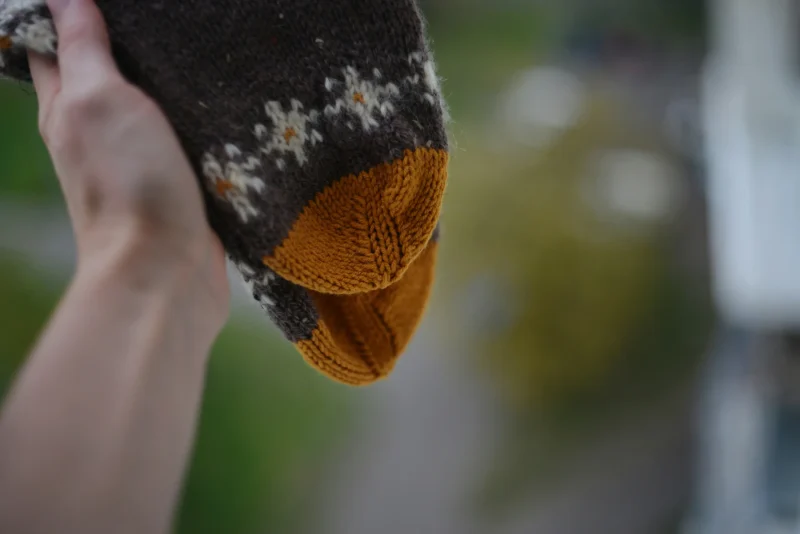
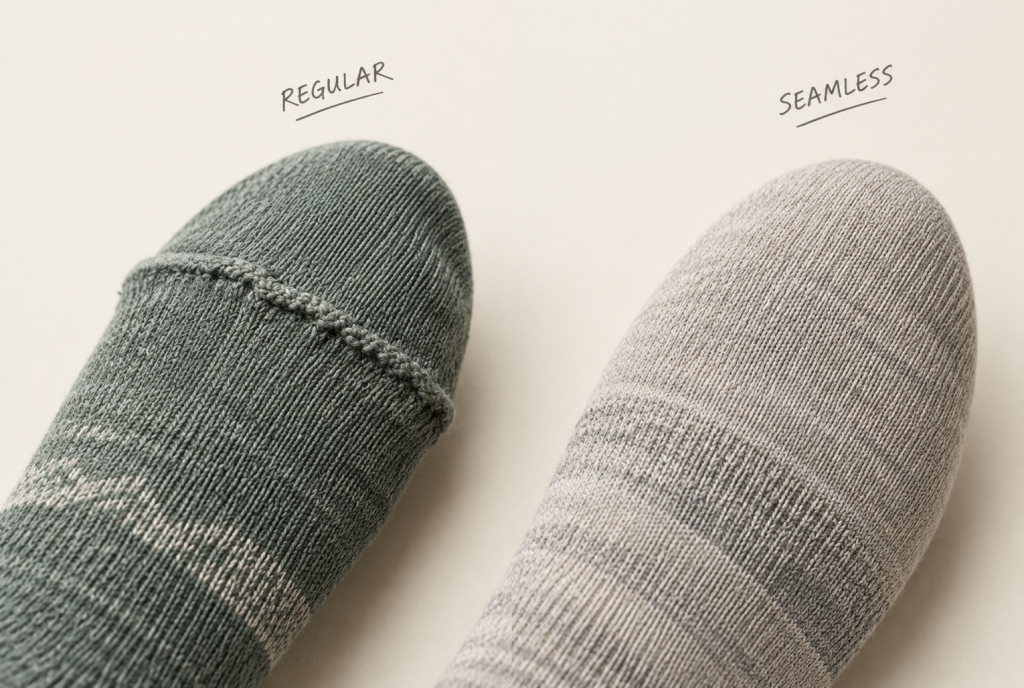
Seamless toe socks have a smooth finish around the toes instead of the thick seam found in regular socks. Some are made with special knitting methods, while others use hand-linked stitching to create a flatter toe area. This smoother design helps reduce rubbing and pressure that can lead to discomfort or blisters.
Seamless vs Regular
The key difference is how the toe area is constructed and how it feels against the skin. This small design detail can become more noticeable during long runs.
- Traditional Toe Seams:Traditional socks usually have a visible seam where the front sections are joined. When the seam is bulky or presses against the toes, repeated movement can cause pressure and rubbing, which may become more noticeable and uncomfortable over longer distances.
- Seamless Toe Design:By contrast, seamless toe socks use a flatter, smoother closure instead of the raised ridge found in traditional designs. This creates a smoother surface around the toes and helps reduce unnecessary pressure and friction, making them more comfortable during extended wear.
How Do Seamless Socks Help With Blisters
While it cannot guarantee blister prevention, a seamless toe addresses one common source of discomfort. Reducing pressure and friction around the toes can complement moisture management, cushioning, and proper shoe fit for a more comfortable, lower-risk running setup.
Less Toe Pressure
Repeated contact between the toe seam and skin can create small pressure points that become increasingly irritating. Minimizing the raised ridge helps reduce localized discomfort around the toes. This matters even more during long-distance running, when minor pressure can become more noticeable over time.
Less Friction
Friction is one of the main factors involved in blister formation. A smoother toe construction can reduce unnecessary contact between the sock and skin, especially when the sock stays securely in place. This effect is more noticeable when the overall fit prevents bunching and shifting.
Fewer Hot Spots
Hot spots often signal that an area of the foot is under too much friction or pressure. A smooth toe area can remove one potential source of irritation before discomfort gets worse. However, runners should also consider shoe fit, moisture, and other sources of friction rather than relying on toe construction alone.
Better Moisture Control
During long runs, sweat can increase discomfort and make the skin more vulnerable to friction. Although seamless construction does not manage sweat on its own, it can be paired with moisture-wicking fibers such as polyester and polypropylene. A well-designed running sock therefore needs both a comfortable toe construction and effective moisture management.
How To Choose The Right Pair
The word “seamless” does not always mean the same level of comfort during a long run. Instead, consider the toe construction, material, fit, and running conditions to find socks that suit your needs.
Construction
Look for features such as seamless toe closure, hand-linked toe, or low-profile toe construction. The toe area should feel smooth and flat without creating extra pressure points. If possible, check the inside of the sock to see how the toe is finished instead of relying only on the product description.
Material
The right yarn affects moisture management, temperature control, and durability. Synthetic fibers such as polyester dry quickly and manage moisture well, while merino wool helps regulate temperature and control odor. Blends combine these benefits, making them useful for changing running conditions.
Fit
Proper sizing helps a running sock stay in place without squeezing the toes or leaving excess fabric around the foot. Loose socks may bunch up and create friction, while overly tight socks can add pressure. For this reason, getting the right fit is just as important as the toe construction.
Intended Use
Sock choice should match how and where you run. Road runners often prefer lightweight socks with moderate cushioning, while trail and ultra runners may need more protection and durability. In hot weather, fast-drying fibers are a practical choice; merino blends can work well when temperatures fluctuate.
| Running Scenario | Features to Prioritize | Main Benefit |
|---|---|---|
| Road and marathon running | Lightweight build, seamless toe, moderate cushioning | Less bulk and better comfort |
| Trail running | Secure fit, cushioning, durable construction | Protection on uneven terrain |
| Ultra-distance running | Moisture control, cushioning, reinforced areas | Comfort over extended wear |
| Hot-weather running | Fast-drying fibers, breathable knitting | Better sweat management |
| Cool-weather running | Merino or merino blends, moisture control | Temperature reg |
Who Should Wear Seamless Toe Socks
Seamless toe socks may be especially useful for runners who deal with toe irritation, run longer distances, or need extra comfort during extended wear.
Long Distance Runners
Longer runs mean more time for movement, pressure, heat, and moisture to build up around the feet. A smooth toe construction can help reduce irritation around the toes during marathon and ultra-distance runs. However, it works best alongside proper footwear, moisture control, and a secure sock fit.
Sensitive Feet
Runners who are sensitive to seams or pressure points may find a smoother toe construction more comfortable. A flatter toe area reduces one common source of irritation without adding extra thickness or weight. Still, overall fit and fabric softness remain important for long-term comfort.
Everyday Wear
Beyond running, this smoother construction can also be useful for work, travel, walking, and other activities that involve wearing socks for many hours. In everyday use, lightweight materials and a comfortable fit may matter more than heavy cushioning.
Custom Options For Brands
For brands, seamless toe construction can be presented as a specific product feature rather than a general comfort claim. Combined with performance materials, targeted cushioning, and a secure fit, it can help create running socks tailored to specific customer needs.
Performance Features
Brands can combine seamless toe construction with moisture-wicking yarns, targeted cushioning, arch support, breathable knitting, and reinforced areas. Together, these details allow socks to address specific running needs instead of relying on a general “comfort” claim.
Product Differentiation
Seamless toe construction gives brands a clear feature to highlight, while the yarn and knitting structure help shape the overall product. The same toe design can be used in both lightweight road-running socks and high-cushion ultra-running socks, with each offering different performance benefits.
Running Clubs And Events
Custom seamless toe socks can be made for running clubs, races, teams, and outdoor communities. Brands can customize colors, logos, patterns, sock height, yarn blends, cushioning, and packaging to create socks that match both performance needs and brand identity.
FAQ
Q1. Can Seamless Toe Socks Prevent Blisters?
They can help reduce the risk of blisters by minimizing pressure and friction around the toes. However, shoe fit, moisture, running distance, foot shape, and individual sensitivity also affect blister formation.
Q2. When Should You Replace Them?
Replace your socks when the fabric thins, cushioning wears down, or the elastic no longer keeps them in place. Slipping, bunching, holes, and reduced cushioning are all signs that it may be time for a new pair.
Q3. Can Seamless Toe Socks Be Customized?
Yes. Brands can customize materials, toe construction, cushioning, colors, patterns, sock height, logos, labels, and packaging to create running socks for specific performance or branding needs.
Q4. Can Custom Seamless Toe Socks Include My Brand Logo?
Yes. Logos, patterns, colors, labels, and packaging can be incorporated into the design. This allows brands, running clubs, races, and retailers to create socks that combine performance features with their own visual identity.
Conclusion
Reducing pressure and friction around the toes can help make running more comfortable. Seamless toe socks address one common source of irritation by providing a smoother toe area. However, they are not a guarantee against blisters and work best alongside moisture management, suitable cushioning, proper fit, and well-fitting shoes. Together, these factors provide a more effective approach to reducing blister risk.