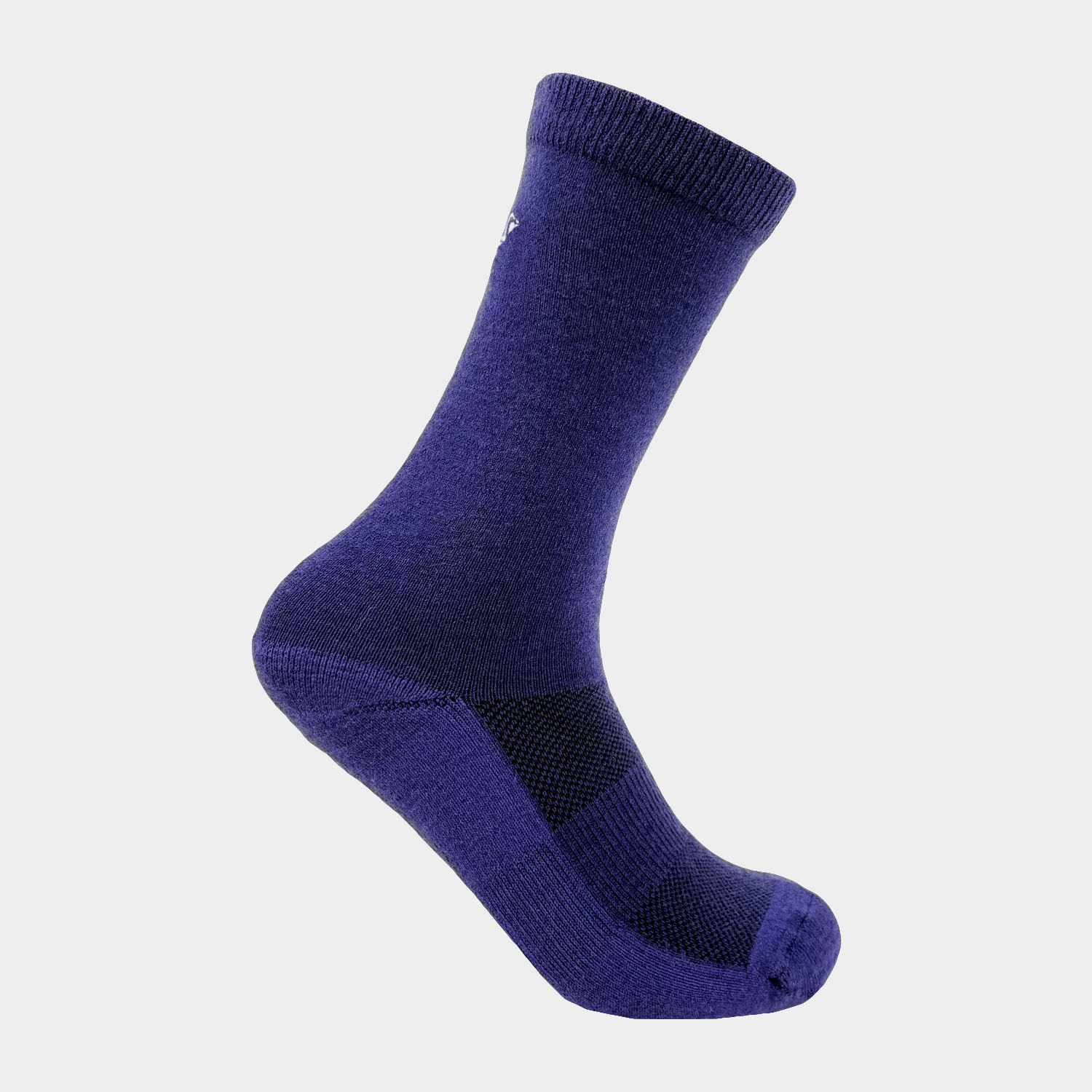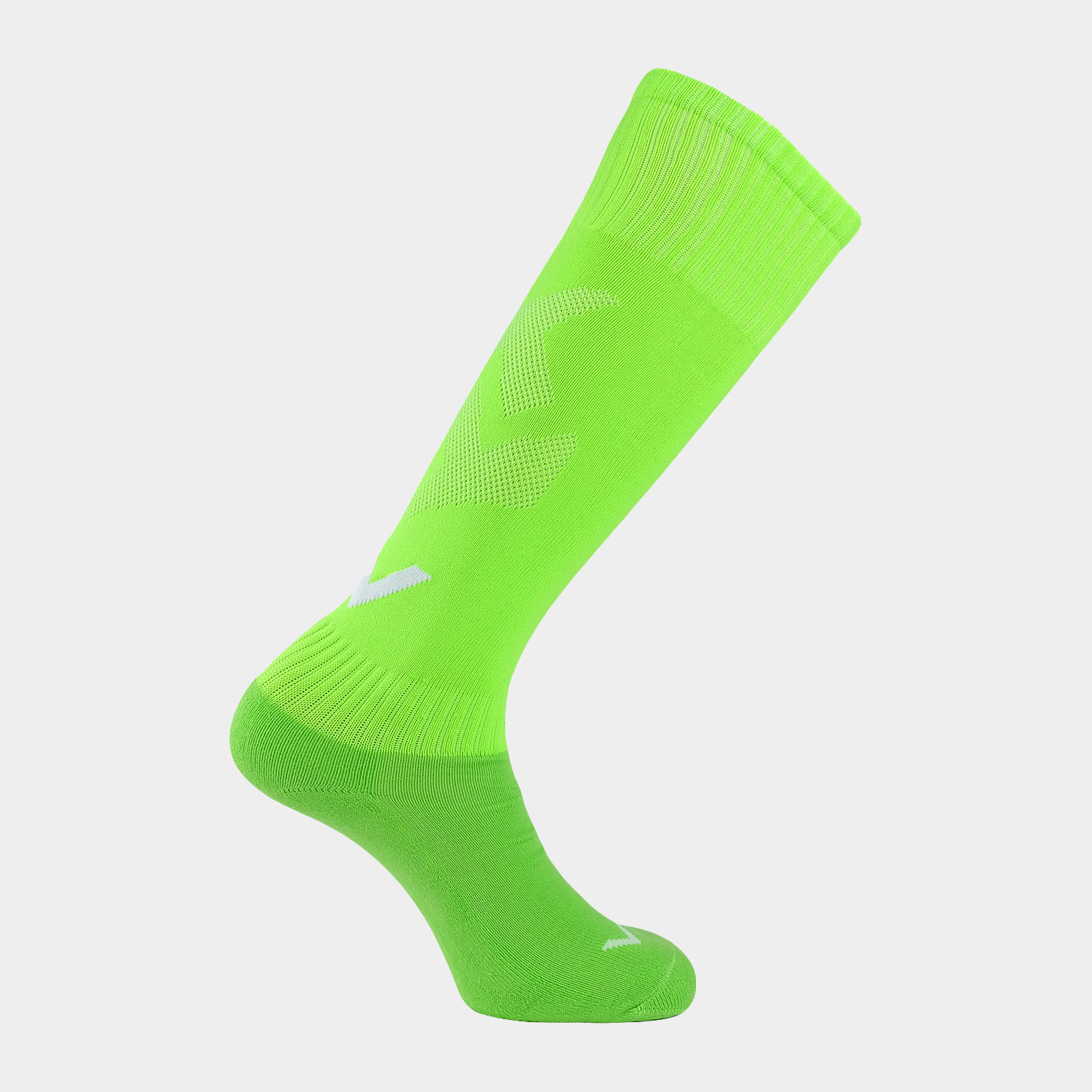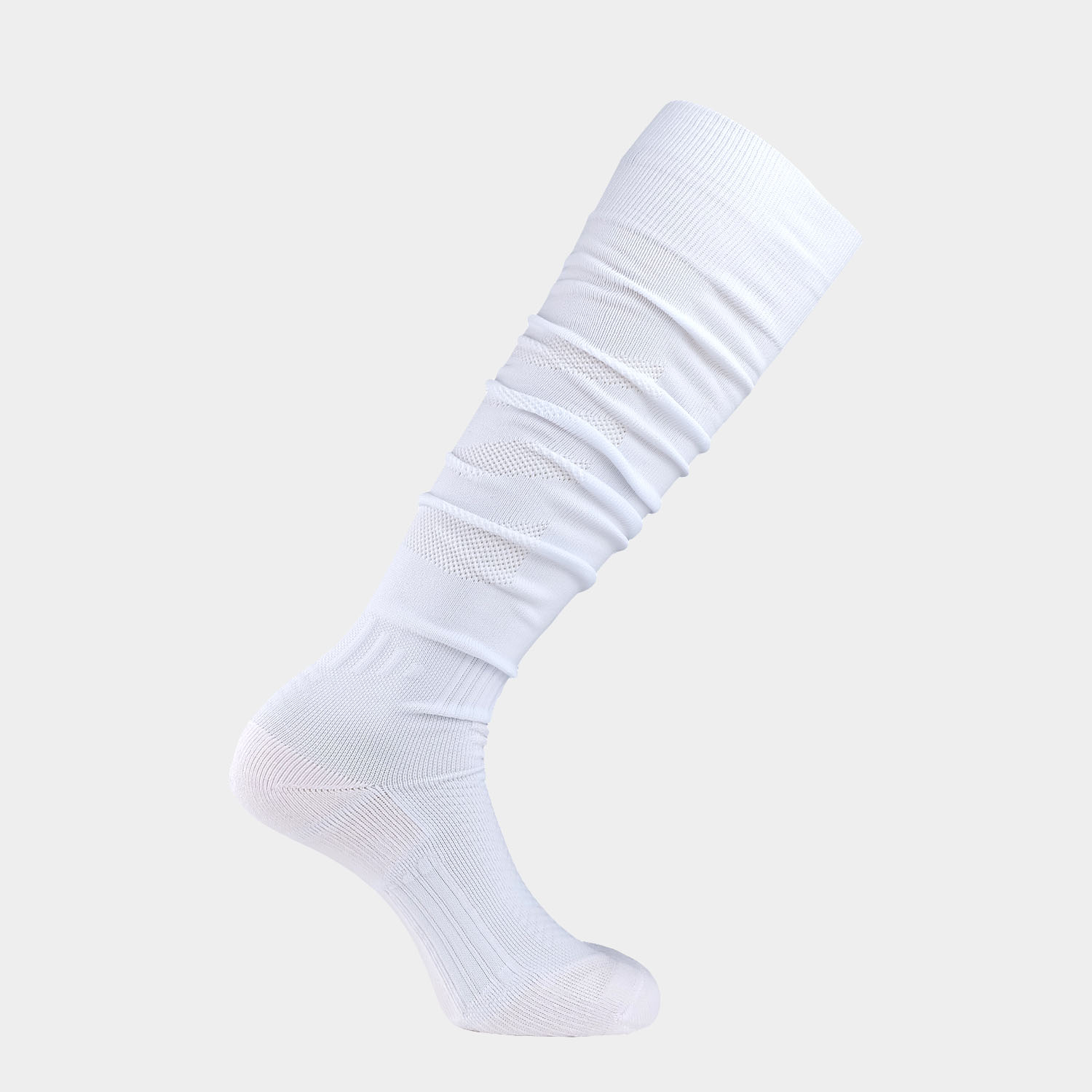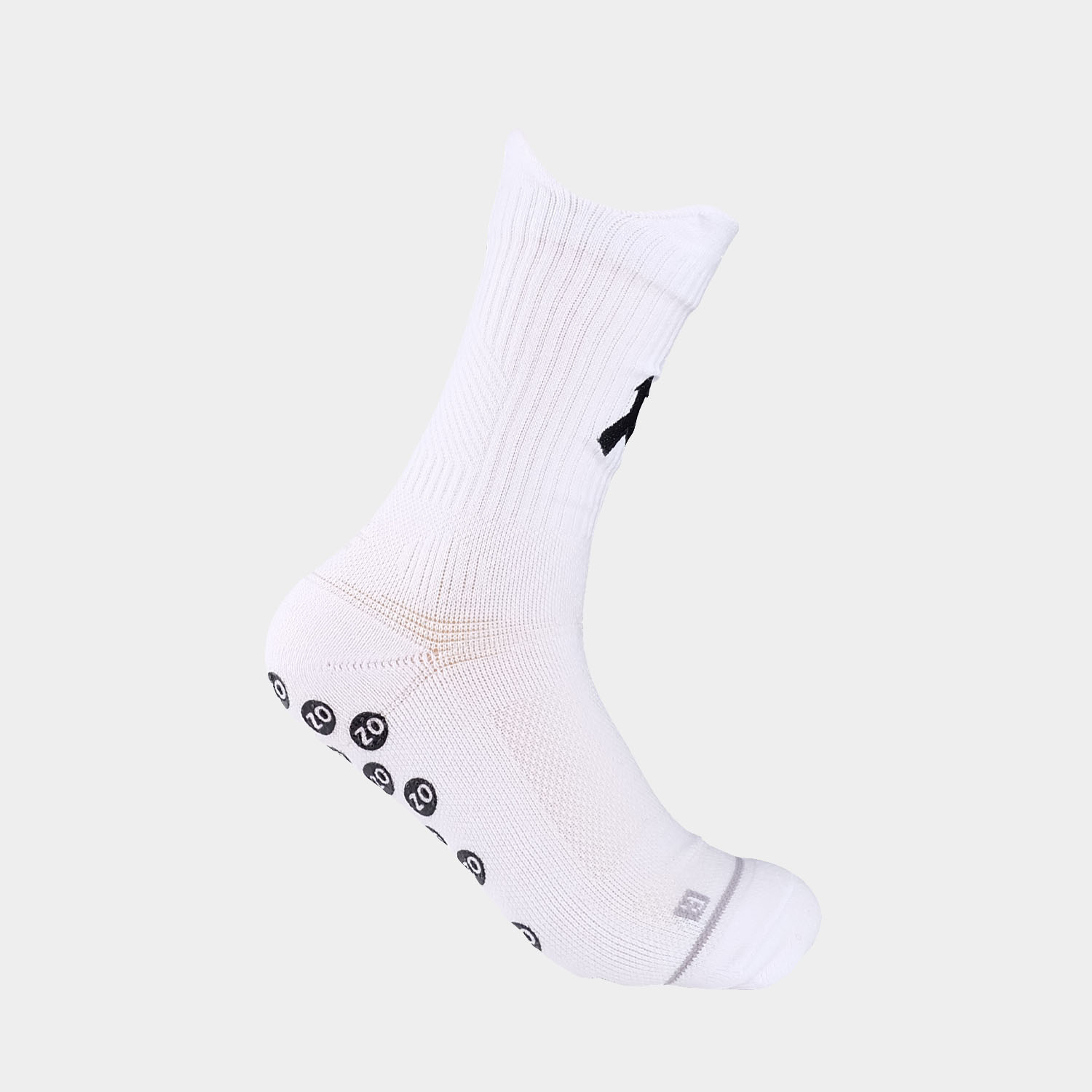

Do your legs feel heavy after a run, swell during a flight, or ache after standing all day? Knowing when to wear compression socks can make a difference. In most cases, put them on in the morning before swelling starts, and wear them during long periods of activity or sitting. This guide covers the best times to wear them for running, work, travel, pregnancy, and recovery, as well as when to take them off.
What Are Compression Socks?
How They Work
Most compression socks use graduated compression, with the most pressure around the ankle and gradually less up the leg. This gentle pressure supports blood flow back to the heart and helps reduce blood and fluid buildup in the lower legs.
What Does Compression Level Mean?
The compression level shows how much pressure the socks apply to your legs, measured in mmHg (millimeters of mercury). A higher number means stronger compression, but that doesn’t always mean better. The right level depends on your reason for wearing them and your individual needs.
| Compression level | Common uses |
|---|---|
| 8–15 mmHg | Tired legs, minor swelling, everyday support |
| 15–20 mmHg | Achy or heavy legs, mild swelling, long periods of sitting or standing, travel |
| 20–30 mmHg | Moderate swelling, varicose veins, some medical and post-procedure uses |
| 30–40 mmHg | More significant swelling, lymphedema and certain venous conditions |
| 40–50 mmHg | Severe venous or lymphatic conditions, typically under medical supervision |
Attention:
Choose the compression level recommended by your doctor or healthcare professional rather than selecting a stronger level on your own. The right pressure should match your needs.
When to Wear Compression Socks
There’s no single best time to wear compression socks. The right timing depends on your activity, whether you’re running, standing, sitting, or spending long periods with limited movement.
During Running and Recovery
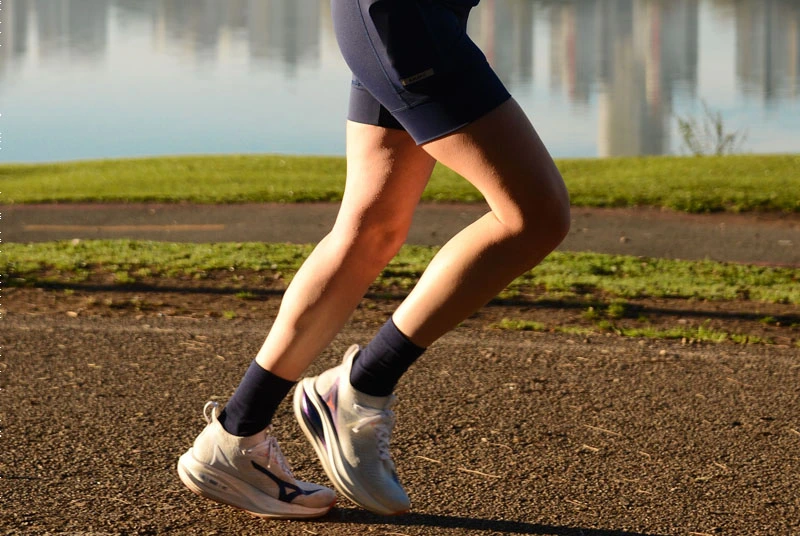
For runners, a close, supportive fit around the lower leg is one reason running compression socks are so popular. Whether you wear them before, during, or after a run depends on your goals and personal preference.
During Long Hours at Work
Spending hours in the same position can leave your legs feeling tired or swollen by the end of the day. If your work keeps you on your feet or in a chair for long periods, compression socks can offer practical support.
- If You Stand All Day, working in healthcare, retail, hospitality, or another on-your-feet job, wearing compression socks during your shift may help manage leg fatigue, heaviness, and swelling.
- If You Sit at a Desk, compression socks can be worn during the workday to help manage lower-leg swelling. They work best alongside regular movement, so remember to stand up, walk around, or move your ankles throughout the day.
On Long Flights and Road Trips
Long periods of sitting with limited movement during travel can leave your legs feeling swollen and uncomfortable. Wearing compression socks may help ease this discomfort.
- Before You Leave: Put your compression socks on before the journey, while your legs are still relatively free of swelling. This makes them easier to put on than waiting until your feet and ankles become swollen.
- During the Journey: Keep them on as long as they remain comfortable. Try to get up and walk around when possible, and flex your ankles to avoid staying in the same position for too long.
- After You Arrive: If your legs still feel heavy after a long trip, you can continue wearing the socks for a while if they remain comfortable and suitable for your needs.
During Pregnancy
During pregnancy, swelling in the legs and ankles can become more common, especially later in the day. Compression socks may help ease this discomfort, but choosing the right compression level and fit is especially important.
After Surgery or During Bed Rest
After surgery or during bed rest, compression socks may be recommended for specific medical reasons, so extra care is needed. In these situations, follow your healthcare team’s instructions rather than relying on general advice for everyday use.
Dealing With Varicose Veins
With varicose veins, compression socks are generally worn during the day to help manage swelling, aching, and heaviness. Putting them on earlier can be helpful, as these symptoms may become more noticeable after hours of standing or walking.

How Long Should You Wear Compression Socks?
During the Day
In many everyday situations, compression socks can be worn throughout the day while you work, travel, or stay active. The key is making sure they fit properly and remain comfortable.
Before Bed
Most everyday compression socks are designed for daytime use, when gravity can contribute to blood and fluid pooling in the legs. Take them off before bed unless a healthcare professional specifically recommends wearing them overnight.
When Should You Take Them Off?
Knowing when to take off compression socks matters just as much as knowing when to put them on. They should feel snug and supportive, but not cause pain, numbness, or noticeable changes in your skin.
Uncomfortable Tightness
Numbness or Tingling
Numbness, tingling, or ongoing discomfort may mean the fit or compression level isn’t right. Take the socks off and seek professional advice if these symptoms persist.
Leg Discoloration
Unusual discoloration, worsening swelling, or skin irritation shouldn’t be ignored. Remove the socks and speak with a healthcare professional, especially if you have an existing circulation problem.

FAQ
Q1. Can I sleep in compression socks?
Usually not, unless your healthcare provider specifically recommends overnight use.
Q2. When should I put compression socks on?
Morning is often the best time for everyday use, before noticeable swelling develops.
Q3. Should I wear compression socks on a long flight?
They may help manage travel-related leg swelling, but regular movement is still important.
Conclusion
Knowing when to wear compression socks can help you choose the right timing and compression level for running, work, travel, pregnancy, and everyday use. For brands, Sockcn also offers custom compression socks with flexible options for pressure levels, materials, designs, and branding.