
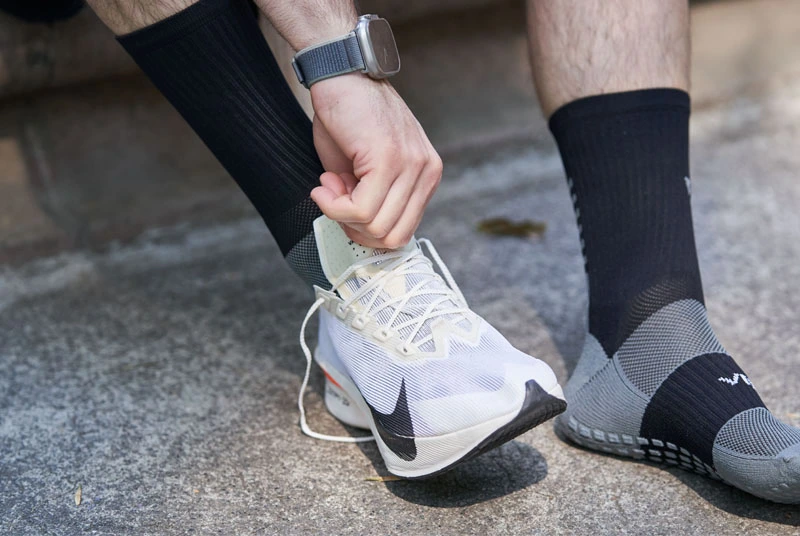
Sweaty feet are annoying, but the real nightmare is wearing socks that stay wet all day. Most people switch to pure cotton thinking it helps, only to end up with damp feet, terrible odor, and friction blisters. The truth is, the problem isn't just how much you sweat—it’s how your socks manage that moisture inside your shoes. This guide skips the fluff and breaks down what actually works. From premium merino wool to high-performance synthetic blends, here is how to choose the right moisture-wicking socks for running, heavy work boots, and hot summer days. Why Some Socks Make Sweaty Feet Worse A lot of sweaty feet problems start before the sweat itself becomes an issue. The material, thickness, and how the sock handles moisture all change how your feet feel after a few hours in shoes. Some socks just hold onto heat longer than others. Cotton Feels Breathable… Until It Gets Wet Cotton socks feel light and comfortable at first, which is why many people assume they’re good for sweaty feet. The problem usually shows up later. Once cotton absorbs sweat, it tends to stay damp instead of drying quickly. Inside shoes, that damp feeling builds up fast — especially during long walks, workouts, or hot weather. That’s why cotton often ends up feeling heavier, warmer, and stickier over time. Sweat, Heat, Friction — It’s All Connected Sweaty feet are not just about moisture. Heat buildup matters too. When socks trap heat inside the shoe, sweat increases. Then friction increases with it. Damp socks rubbing against skin for hours can make feet feel uncomfortable even if the socks seemed fine earlier in the day. This is also why thick socks sometimes feel worse than thinner moisture-wicking socks, even when they absorb more sweat. The Best Socks for Sweaty Feet by Situation Not all sweaty feet feel the same. Running in lightweight shoes is different from standing all day in work boots, and both feel different again in summer heat. The best sock material usually depends on where the sweat is happening. Best Running Socks for Sweaty Feet For running socks, fast drying matters more than softness. Most runners with sweaty feet do better with moisture-wicking synthetic blends made from polyester and nylon. These fabrics move sweat away from the skin quickly and dry faster during long runs or workouts. Thin to medium cushioning usually feels better than heavily padded socks, especially in warm weather. Best Socks for Sweaty Feet in Work Boots Work boots trap heat more than running shoes, so comfort changes after a few hours. Merino wool blends tend to work well here because they handle moisture without feeling overly damp inside the boot. They also help more with odor during long shifts compared to cheaper synthetic socks. Too much thickness can backfire, though. Heavy socks inside insulated boots often end up feeling hotter, not drier. Best Summer Socks for Sweaty Feet Summer socks need airflow more than heavy cushioning. Lightweight merino wool socks are surprisingly comfortable in hot weather because they regulate temperature better than standard cotton socks. Thin moisture-wicking synthetic socks also work well if quick drying is the priority. This is usually where thick athletic socks start feeling miserable. Best Socks for Sweaty Smelly Feet Sweat itself usually isn’t the main reason socks smell bad. Trapped moisture is. Merino wool naturally resists odor better than most synthetic materials, which is why many people notice less smell even after long wear. Synthetic socks can still work well for sweaty feet, but lower-quality synthetic fibers tend to absorb skin oils, creating a breeding ground for bacteria that traps odor even after a wash. How to Choose the Right Sock for Sweaty Feet A sock can feel great for an hour and terrible by the end of the day. That’s why sweaty feet usually have less to do with one “perfect” material and more to do with choosing the right combination for the situation. Feature Merino Wool Socks Synthetic Blend Socks Moisture Management Excellent Very Good Drying Speed Moderate Fast Odor Resistance Excellent Moderate Hot Weather Comfort Very Good Good Long Wear Comfort Excellent Moderate Best For Daily wear, work boots, hiking Running, gym, intense activity Thickness matters more than many people realize. Heavy cushioning can trap heat surprisingly fast, especially in summer or inside work boots. For sweaty feet, light to medium cushioning usually feels more comfortable over long wear. And despite the reputation wool has, lightweight merino wool socks rarely feel as hot as people expect. In many cases, they end up feeling drier than cotton once your feet start sweating. Common Mistakes People Make When Buying Socks for Sweaty Feet A sock that feels breathable at first can still end up hot, damp, and uncomfortable a few hours later. Mistake Why It Makes Sweaty Feet Worse Choosing 100% Cotton Socks Cotton absorbs sweat easily but dries slowly, leaving socks damp inside shoes for long periods. Focusing Only on Breathability A sock can feel airy at first and still hold moisture once sweat builds up. Wearing Thick Socks in Hot Weather Heavy cushioning traps heat and reduces airflow around the foot. Buying Cheap Synthetic Socks Lower-quality synthetic fibers tend to absorb skin oils, creating a breeding ground for bacteria that traps odor even after a wash. FAQ Can I wear merino wool socks multiple days in a row? Yes — many people do, especially for hiking, travel, or long work shifts. Merino wool resists odor better than most synthetic materials, so it usually stays fresher longer. Are cheap synthetic socks better than regular cotton socks? Usually yes for sweat management. Even lower-cost synthetic socks tend to dry faster than cotton. The downside is that cheaper synthetic fibers often trap odor more easily after repeated wear. Do thinner socks help with sweaty feet? Sometimes, but not always. Thin socks usually feel cooler at first because they trap less heat inside the shoe. But if the material holds moisture poorly, thin socks can still end up damp
Are Merino Wool Socks Good for Summer?
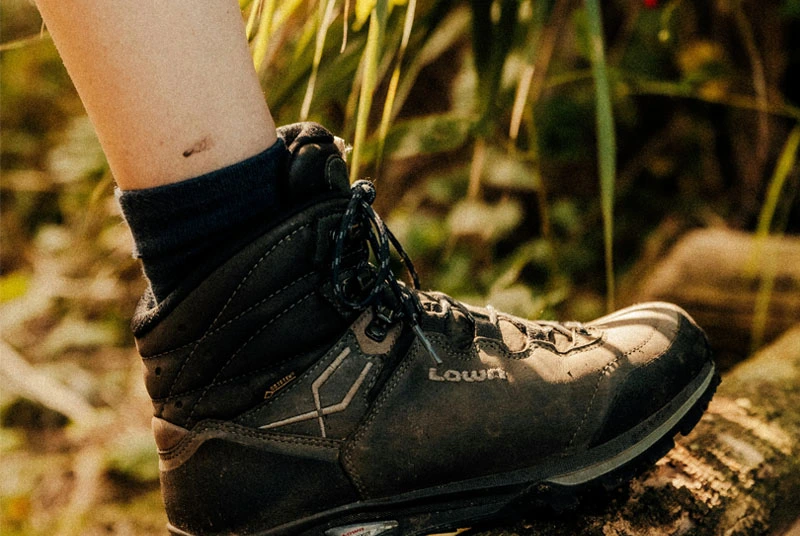
Most people assume wool socks are too hot for summer. It sounds backwards at first — especially if you already deal with sweaty feet, hot shoes, or long hours outside. But merino wool works very differently from the thick winter wool most people picture. Lightweight merino wool socks are actually common for hiking, running, travel, and everyday summer wear because they help manage moisture and temperature more effectively than standard cotton socks. Instead of trapping sweat against the skin, merino fibers can help feet feel drier during long wear. That doesn’t mean every merino sock feels cool in hot weather. Thick cushioned winter styles can still feel warm. But the right lightweight merino blend is often far more comfortable in summer than people expect — especially for sweaty feet, walking, and all-day use. Why Merino Wool Works Surprisingly Well in Summer Most people associate wool socks with winter because traditional wool is usually thick, heavy, and designed for insulation. Merino wool behaves differently, especially in lightweight sock constructions made for hiking, running, or everyday wear. What makes summer socks uncomfortable is often not just heat itself, but trapped moisture. Cotton socks tend to absorb sweat and stay damp longer inside shoes, which is why feet can start feeling sticky during long walks, travel days, or hot weather. Merino wool handles moisture differently, helping the fabric feel drier and more balanced once your feet start warming up. That’s one reason merino wool became so common in outdoor and performance socks long before it became popular for casual wear. In warm conditions, dry feet usually feel more comfortable than damp ones. The type of merino sock matters too. Lightweight merino blends designed for summer feel very different from heavyweight winter hiking socks with thick cushioning and extra insulation. Are Merino Wool Socks Good for Sweaty Feet? This is usually the real reason people start looking into merino wool socks in the first place. Not because they want “wool” specifically, but because regular socks start feeling uncomfortable once heat, sweat, and long hours in shoes get involved. Why Cotton Socks Feel Worse for Sweaty Feet Cotton is soft and comfortable at first, but once it gets damp, it tends to stay that way longer. During summer, that usually means socks start feeling heavier and stickier as the day goes on, especially inside sneakers or hiking shoes. That damp feeling is also what makes hot feet feel even hotter. Why Merino Wool Helps Keep Feet Drier Merino wool handles moisture differently, which is why many people notice their feet feel less swampy during long wear. The fabric doesn’t feel dry forever, especially in very hot conditions, but it usually stays more comfortable once your feet start sweating. Lightweight merino blends also tend to breathe better than thick cotton socks. Merino Wool vs Cotton Socks for Sweaty Feet Merino Wool Socks Cotton Socks Better moisture management Holds sweat longer Better odor resistance Gets smelly faster Feels more balanced during long wear Feels damp more quickly Common for hiking and running Common for casual daily wear When Merino Wool Socks Make the Biggest Difference The difference becomes more noticeable during long walks, travel days, hiking, gym sessions, or anytime your shoes stay on for hours. In short wear or cooler conditions, the gap between cotton and merino usually feels much smaller. Benefits of Merino Wool Socks in Summer One thing people notice pretty quickly with merino wool socks is that they stay comfortable longer once heat and sweat start building up inside shoes. That becomes especially noticeable during travel, hiking, or long summer days outside. Wearing the same shoes for hours is usually where cotton socks start feeling damp and unpleasant, while lightweight merino blends tend to stay more balanced. Odor resistance is another reason merino socks are so popular for outdoor and everyday wear. They usually stay fresher longer than standard cotton socks, especially during long wear in warm conditions. Do Merino Wool Socks Ever Feel Too Hot? They can, depending on the sock. Thick merino hiking socks designed for winter or cold-weather trekking will usually feel too warm in hot summer conditions, especially inside non-breathable shoes. Heavy cushioning also traps more heat than lightweight performance styles. That’s why summer merino socks are usually made with thinner blends, lighter cushioning, and more ventilation. The material matters, but the sock construction matters just as much. What Type of Merino Wool Socks Are Best for Summer? Not all merino wool socks are designed for hot weather. The thickness, blend, and sock style make a much bigger difference than most people expect. Lightweight Merino Wool Socks For summer, lightweight merino socks are usually the most comfortable option. They feel less bulky, breathe better, and dry faster during long wear. Thin running or everyday merino socks often feel completely different from thick winter hiking socks. Merino Wool Blend Socks Most summer merino socks are blends rather than 100% merino wool. Nylon helps with durability, while a small amount of spandex improves stretch and fit. That combination is common in running, hiking, and performance socks because it balances comfort with everyday wear resistance. Best Merino Sock Styles for Summer Activities Low-cut running socks, lightweight hiking socks, and thinner everyday performance socks are usually the most practical choices for warm weather. The best option often depends more on how long you wear them and what shoes you pair them with than the material alone. FAQ Can You Wear Merino Wool Socks in Summer? Yes. Lightweight merino wool socks are commonly worn for hiking, running, travel, and everyday summer use because they manage moisture better than many standard cotton socks. Are Merino Wool Socks Hot? Not usually, if you choose lightweight styles. Thick winter merino socks can feel too warm in hot weather, but thin merino blends are designed to breathe much better. Do Merino Wool Socks Help With Sweaty Feet? They can help reduce the damp, sticky feeling that often comes with sweaty feet. Merino wool handles
Top 6 Features Buyers Look for in Wholesale Running Socks
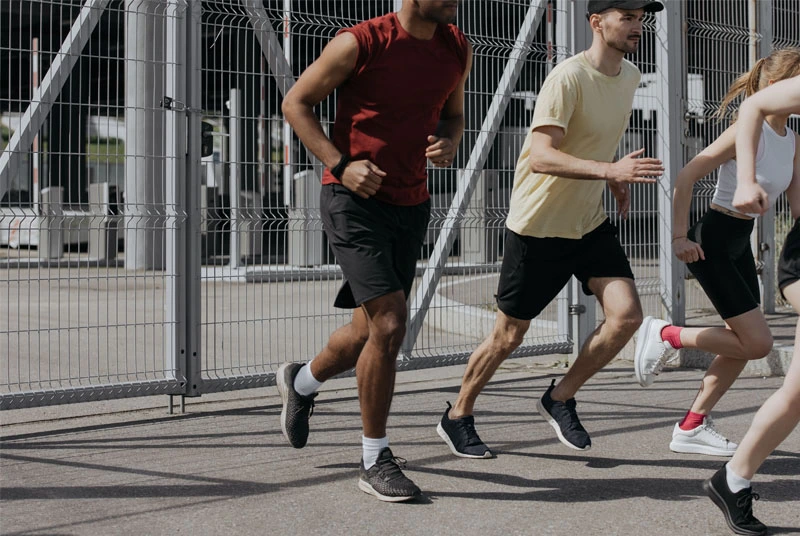
Not all running socks are built the same. For sports brands and wholesale buyers, performance details often matter more than appearance alone. From moisture control to cushioning and compression support, the right features can directly affect comfort, durability, and repeat purchases. Here are the key features buyers pay the most attention to when sourcing wholesale running socks. Why Performance Features Matter in Running Socks Running socks sit in a strange category. They look simple, but buyers usually pay attention to them only after something goes wrong. Feet overheat. Socks slide down during runs. Cushioning flattens too quickly. Blisters start showing up in product reviews. That is usually when performance details become part of the conversation. For sports brands, these features are no longer treated as “premium extras.” Moisture control, targeted cushioning, and compression support have quietly become part of the baseline expectation in many running collections — especially for products aimed at regular runners instead of occasional gym use. And buyers are comparing more than appearance now. Two running socks may look nearly identical in product photos, yet perform very differently after repeated training and washing. In many cases, small construction details end up affecting customer retention more than most people expect. Buyer Perspective Table Feature Why Buyers Care Common Problem Moisture-Wicking Helps manage sweat during training Cheap fabrics trap heat Cushioning Reduces impact discomfort Thick socks can feel bulky Arch Compression Improves fit stability Compression may loosen after washing Mesh Ventilation Improves airflow Some mesh zones are mostly decorative Seamless Toe Reduces friction during long runs Rough seams cause irritation Durability Affects repeat purchase satisfaction Cushioning and elasticity may fade too quickly 1. Moisture-Wicking Fabrics Moisture management is usually one of the first things buyers ask about in running socks — and for good reason. Once socks start holding sweat instead of moving it away from the skin, comfort drops fast during training. The problem is not just heat. Damp fabric increases friction inside the shoe, which is where a lot of blister complaints begin. This is also where lower-cost running socks tend to expose their weaknesses. Some fabrics feel soft at first but become heavy after longer runs, especially in warmer conditions. Others lose their shape after repeated washing, which affects both fit and breathability over time. Most wholesale running socks today use synthetic blends for moisture control, often combining polyester, nylon, and spandex. The best material for running socks usually depends on factors like climate, cushioning preference, and intended use. Performance-focused collections may also include materials like Coolmax or merino wool blends depending on the target market and price range. But material names alone do not tell the full story. Yarn quality, knitting density, and ventilation structure all influence how the sock actually performs during movement. Two socks can use similar fabric compositions and still feel completely different on the run. Buyers who overlook this often end up comparing products only by price — until customer feedback starts pointing out issues like overheating, slow drying, or discomfort after extended wear. 2. Cushioning in High-Impact Areas A lot of running socks advertise cushioning. The difference is where the cushioning is placed, how dense it feels after repeated runs, and whether it still performs after months of washing. For most runners, the pressure points are predictable. Heel strike. Forefoot push-off. Long road runs that slowly wear down the same areas again and again. Good running socks are usually designed around those impact zones rather than adding thickness everywhere. Too much padding creates its own problems anyway. Socks become bulky inside the shoe, airflow drops, and the fit starts feeling less stable during movement. Some buyers entering the athletic sock market assume “thicker” automatically feels more premium, but experienced running brands tend to look for balance instead of maximum cushioning. This becomes more noticeable in higher-mileage products. Cheaper terry constructions often flatten faster than expected, especially in entry-level bulk production. At first the socks still look fine. The issue shows up later, when customers start noticing the loss of support during training or after repeated washing cycles. That is why many buyers pay attention to cushioning structure itself — not just the feature list on the packaging. 3. Arch Compression Support Not every runner actively looks for arch compression when buying socks, but many notice when it is missing. A sock that gradually shifts inside the shoe can become distracting surprisingly fast, especially during longer runs or higher-intensity training sessions. That is part of why compression support has become common in performance-focused running socks over the last few years. The goal is usually not aggressive tightness. Most brands are simply trying to create a more secure fit through the midfoot area so the sock moves less during motion. The difference often feels subtle at first. Better constructions tend to hold the foot more naturally, while weaker compression zones start loosening after repeated wear and washing. In bulk production, this is one of those details that may not fully show up during initial sampling but becomes more obvious later through customer feedback and repeat order performance. Some brands also use arch compression as a way to position certain collections slightly more premium, particularly in technical running lines where fit and stability are part of the product story. 4. Breathable Mesh Ventilation Zones Breathability is already expected in most modern running socks, especially in lightweight and warm-weather collections. That is why mesh ventilation zones are now common across both entry-level and premium products. The placement matters more than the feature name itself. Most ventilation panels are built around the top of the foot or instep area, where heat tends to build up during runs. Some structures improve airflow noticeably. Others are mostly visual design elements with limited performance impact. For buyers, mesh zones are usually not the main selling point on their own. But when combined with good moisture management and proper fit, they contribute to a sock feeling lighter and more comfortable over longer distances. 5. Seamless Toe Construction Toe

How Rising Wool Prices Affect Custom Sock Orders in 2026
Wool prices are climbing again, but the bigger shift is happening inside product planning. For many custom sock brands, materials that once sat comfortably in the “premium but stable” category now come with more sourcing pressure, tighter margins, and less flexibility during development. That change is starting to affect how wool sock collections are built for 2026 — from yarn selection and blend ratios to MOQ decisions and seasonal production timing. What We’re Seeing in the Wool Market The biggest changes are happening in fine merino yarns used for premium and performance sock programs. Compared to last year, pricing conversations are coming up much earlier in development — sometimes before sock structures or color layouts are even finalized. We’ve also noticed that yarn suppliers are adjusting quotes more frequently than before. In the past, pricing for wool programs could stay relatively stable through sampling and production. Recently, that window feels shorter, especially for finer merino blends and smaller custom runs. Another shift is the gap between “raw wool” discussions and actual production costs. A wool market headline may suggest pricing has softened, but that doesn’t always translate to lower yarn costs at the factory level once spinning, dyeing, and sourcing timelines are factored in. Alpaca is starting to appear in more development conversations as well — not necessarily as a replacement for merino, but as a premium alternative for brands looking at softness, warmth, or differentiation in winter collections. Implications for Custom Sock Manufacturing The pressure from wool pricing doesn’t stay at the sourcing level for long. Once it reaches development and production, even stable sock programs start behaving differently — especially in categories built around fine merino yarns or higher wool content. Cost Impact on Production We’ve seen fine merino programs come in noticeably higher than the same constructions produced a year ago, even before changing packaging, cushioning, or knitting complexity. On styles with heavier wool content, the increase becomes harder to absorb once order volume scales across multiple seasonal runs. That shift affects more than quoting. Some designs that previously sat comfortably inside a target price range now move into a different category entirely after yarn confirmation. Brands developing winter collections or outdoor lines are usually the first to feel it. The pressure is even sharper on smaller custom programs. A wool-heavy sock with multiple color yarns, custom packaging, and lower quantities leaves much less room to balance cost increases elsewhere in production. Insider Note We’ve seen per-pair costs rise 8–12% on heavy merino designs compared to last year, even without changing construction. MOQ and Production Planning MOQ conversations are happening earlier now. Not because factories suddenly want larger orders, but because fine wool yarns are becoming less forgiving in smaller runs. We’ve seen situations where sampling yarns were available one month, then noticeably more expensive or delayed by the time production was confirmed. That creates hesitation around smaller developments, especially for seasonal launches working against fixed retail timelines. Larger brands can usually spread those fluctuations across repeat programs. Smaller brands tend to feel them immediately. In some cases, adjusting production timing matters more than adjusting the sock design itself. Quick Win Bundling multiple SKUs or adjusting production sequence can reduce margin erosion on smaller runs. Material Selection Adjustments Material discussions are changing too. A year ago, many brands approached merino as a straightforward premium upgrade. Now the conversation is more layered — how much merino is actually needed, where performance matters most, and whether certain zones can shift into blended constructions without changing the feel of the sock too dramatically. We’re also seeing more interest in controlled blends rather than fully wool-based builds. Not necessarily to cheapen the product, but to stabilize development costs while keeping the softness, temperature regulation, or outdoor positioning associated with wool socks. Alpaca enters the discussion differently. Usually not as a direct replacement, but as a niche material for brands trying to separate winter collections from the increasingly crowded merino space. Impact on Brand Procurement Decisions When wool prices shift, hesitation can be costly. Brands that act early and structure decisions strategically gain a tangible advantage over competitors scrambling to adjust mid-season. Budgeting and Pricing Strategy Revisit unit costs immediately after any yarn quote change. Allocate a buffer for fine merino and alpaca content — even small increases can erode margin quickly on high-volume orders. Consider adjusting your retail or wholesale pricing tiers in advance rather than reacting after production, and lock in budgets for seasonal programs based on updated material assumptions. Order Timing and Planning Revisit unit costs immediately after any yarn quote change. Allocate a buffer for fine merino and alpaca content — Move procurement discussions forward. Confirm sampling and initial yarn allocations early to avoid last-minute cost spikes. Prioritize orders for key seasonal lines and secure production slots as soon as feasible. For smaller brands, bundling multiple SKU orders can stabilize costs and reduce the risk of delays. Alternative Materials Considerations Explore blends and targeted substitutions strategically. Use partial alpaca or polyester blends where performance needs are lower, keeping the overall feel consistent while controlling cost. Define which zones in the sock require premium fibers and which can safely incorporate blends. Document these decisions for repeat orders to ensure consistency across the season. Expert Tip Use targeted blends strategically — maintain softness and warmth without inflating material costs. Forecast & Recommendations for 2026 The brands likely to struggle most in 2026 are not necessarily the ones buying the highest-grade wool. They’re the ones treating wool programs the same way they did two or three years ago. What we’re seeing now is less about one temporary price spike and more about reduced flexibility across the entire development cycle. Yarn quotes move faster. Sampling windows feel tighter. And once production calendars begin filling for fall and winter programs, premium wool yarns become much harder to adjust late in the process. For brands building around merino, it may no longer make sense to push every style toward maximum wool content. In
Foot Cardigan vs Sock Club: A Sock Manufacturer’s Perspective
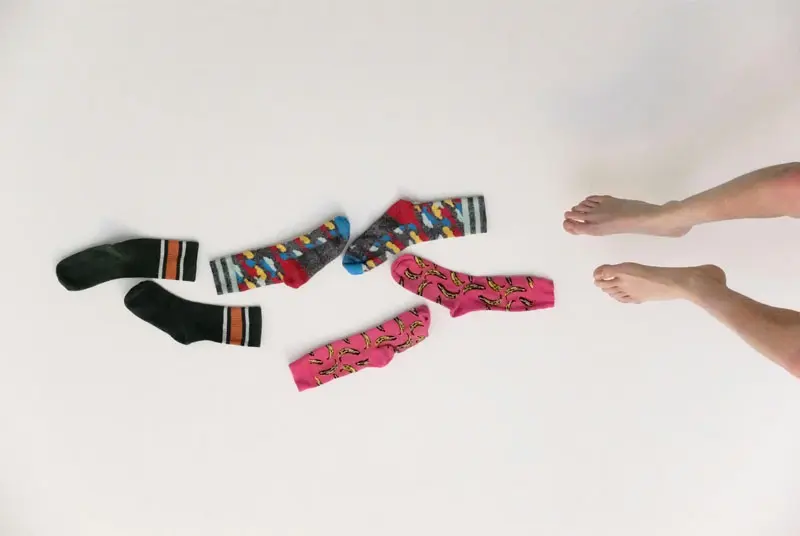
Custom socks are no longer just novelty products or company giveaways. Over the past few years, the market has split into very different business models — subscription-driven brands, corporate merch suppliers, retail-focused private label programs, and scalable custom manufacturing services. Foot Cardigan and Sock Club are both well-known names in this space, but they approach custom socks from very different angles. Their differences go beyond design style. Order structure, customization priorities, packaging, and production strategy all shape how each business operates behind the scenes. From a manufacturing perspective, the contrast is much clearer. What Are Foot Cardigan and Sock Club? Both companies operate in the custom sock market, but they target very different types of customers and order structures. Foot Cardigan grew around a subscription and lifestyle-oriented model. The brand focuses heavily on novelty designs, colorful patterns, gifting appeal, and consumer presentation. The socks themselves are part of a broader branded experience rather than purely functional merchandise. Sock Club is positioned more heavily around corporate merchandise, branded apparel programs, and custom socks for companies, organizations, and events. Compared with subscription-focused sock brands, the business model leans further toward repeat custom production, scalable fulfillment, and operational consistency. Quick Comparison: Foot Cardigan vs Sock Club Category Foot Cardigan Sock Club Core Business Model Subscription and lifestyle branding Corporate custom merchandise Primary Customers Consumers, gifting, lifestyle audiences Companies, organizations, events Design Direction Bold patterns and novelty-focused styles Brand-oriented and logo-driven designs Product Experience Consumer presentation and unboxing Operational consistency and repeat ordering Customization Focus Creative visual identity Structured custom production Packaging Style Retail and gifting presentation Corporate merch packaging Production Structure Smaller, design-heavy SKU variety Scalable repeat custom orders Best Fit Lifestyle brands and subscription concepts Corporate swag and branded merchandise programs Manufacturing & Supply Chain Differences The differences between these two companies become much clearer once you look beyond the designs themselves. Production structure, packaging priorities, SKU management, and fulfillment style all push the supply chain in different directions. Subscription vs Corporate Sock Production Subscription-based sock businesses usually rely on faster design turnover and more frequent collection changes. That creates a production flow with smaller batches, higher SKU variety, and heavier coordination around presentation. Foot Cardigan fits naturally into that model. The socks are tied closely to branding, gifting, and the overall customer experience rather than simple repeat merchandise production. Corporate merch programs tend to operate more predictably. Orders are often connected to events, employee kits, or branded campaigns where consistency matters more than constant design rotation. That structure is generally easier to standardize once repeat production starts increasing. Customization, Product Complexity & Packaging The customization priorities are different as well. Lifestyle-focused sock brands often push harder on visual identity — bolder patterns, more decorative packaging, stronger presentation details. In some cases, the packaging becomes part of the product itself. Corporate custom socks are usually more controlled from a production standpoint. Brand consistency, repeatability, and cleaner execution matter more than highly experimental designs. Even small packaging changes can slow approvals and pre-production coordination more than many brands expect. Scalability, Lead Times & Operational Efficiency Subscription-style production creates more moving parts as volume grows. Frequent SKU turnover also makes production scheduling less predictable, especially when collections change frequently. Corporate merchandise programs usually scale more smoothly once repeat workflows are established. Stable artwork, recurring order structures, and standardized packaging help simplify production planning and lead time control. Which Company Is Better for Different Business Needs? The better fit depends less on the socks themselves and more on the type of business being built around them. For lifestyle-driven brands, subscription concepts, or gifting-focused products, Foot Cardigan’s approach makes more sense. The model is built around presentation, design variety, and customer experience rather than standardized repeat production. Sock Club fits more naturally into corporate merchandise programs, company swag, conferences, employee onboarding kits, and larger branded campaigns where operational consistency matters more heavily. For businesses planning long-term custom sock programs, scalability becomes a bigger factor. Repeat ordering, packaging consistency, production efficiency, and fulfillment structure usually become more important once order volume starts increasing. Smaller startups may look at the two models differently as well. Some early-stage brands prioritize creative presentation and niche branding. Others care more about repeat production capability and smoother operational scaling from the beginning. What Custom Sock Brands Can Learn from Both Companies One interesting thing about these two companies is that neither one competes purely on the socks themselves. The product matters, but the surrounding business model shapes much of the customer perception. Foot Cardigan leans heavily into branding, presentation, and product personality. Sock Club operates closer to a structured custom merchandise system built for repeatability and larger-scale branded programs. Different directions, but both are closely tied to how the production side is organized behind the scenes. That connection between branding and manufacturing is often underestimated in custom apparel. Packaging requirements, SKU turnover, fulfillment flow, sampling speed, and order structure all influence what kind of business can realistically scale over time. The production partner matters for the same reason. Some factories are better suited for smaller design-heavy programs with frequent changes. Others are built more around repeat corporate programs where artwork, packaging formats, and sizing ratios stay relatively stable across runs. Testing a Sock Line? Start at 100 Pairs. Sockcn's pre-production samples run on the same yarns, machines, and settings as bulk orders, giving buyers a reliable reference before committing to scale. Request a Free Sample →

Types of Socks Explained: Lengths, Materials, Styles & Best Uses
Socks may look simple, but there are far more variations than most people realize. Different lengths, materials, and constructions are designed for different shoes, climates, and activities. A pair made for running feels completely different from one designed for dress shoes or winter hiking. Some sock types are built for comfort. Others focus on moisture control, cushioning, warmth, or support. Even small details — like height or fabric blend — can change how socks perform throughout the day. This guide breaks down the main types of socks by length, function, materials, and construction, along with when each style works best. Quick Answer: What are the Main Types of Socks? Socks are usually categorized in four main ways: By length — such as no-show, ankle, quarter, crew, or knee-high socks By function — including running socks, hiking socks, compression socks, and dress socks By material — like cotton, merino wool, alpaca wool, bamboo, or synthetic blends By construction — including cushioning, seamless toe designs, and compression zones The right sock often depends on a mix of factors rather than a single feature. Shoe type, activity level, climate, and comfort preference all play a role in how a sock feels and performs. Sock Types by Length Sock length changes how socks look and how they work. Some types stay hidden inside shoes. Others add coverage, protection, or warmth. A small height difference can change how socks feel for daily wear, sports, or outdoor use. No-Show Socks No-show socks sit below the ankle. They stay hidden inside the shoe. People wear them with loafers, low-cut sneakers, and other casual summer shoes. These socks give you a clean no-sock look. But they cover less around the heel compared to ankle socks. Most no-show socks use lightweight cotton blends, bamboo fibers, or thin synthetic materials. That keeps them breathable. Ankle Socks Ankle socks rise just above the shoe collar. They sit around the ankle bone. You can wear them with sneakers, gym shoes, and everyday casual wear. They offer a bit more protection than no-show socks. But they don't add much extra height or warmth. Common materials are cotton blends and lightweight performance synthetics. Quarter Socks Quarter socks go just above the ankle. They show up a lot in running and training socks. The extra height helps reduce friction from athletic shoe collars when you move. They give you more coverage than ankle socks. But they still keep a low-profile look. Many quarter socks use moisture-wicking synthetic blends with light cushioning. Crew Socks Crew socks usually reach mid-calf. They are one of the most versatile sock lengths. You can pair them with sneakers, boots, work shoes, and casual outfits. This height works well for hiking, athletic, and work socks. It offers more protection and stability than shorter styles. Everyday crew socks often use cotton blends. Performance crew socks typically mix merino wool, nylon, and elastane. Mid-Calf Socks Mid-calf socks go a bit higher than standard crew socks. People often wear them for business or dress occasions. The extra height gives you a cleaner look with trousers and formal shoes. These socks are usually thinner than athletic crew socks. Their construction feels more refined. Common materials include fine cotton, wool blends, and lightweight synthetic yarns. Knee-High Socks Knee-high socks reach close to the knee. They give you much more coverage than shorter socks. You find them in compression socks, winter socks, ski socks, and some uniforms. The taller shape adds warmth, support, or graduated compression across your lower leg. Most knee-high socks use stretch-focused synthetic blends. Wool versions are also common for cold weather. Sockcn Tip Sock height affects more than appearance. Taller socks usually provide better protection against friction, boot pressure, and temperature changes, especially in hiking or work footwear. Sock Length Comparison Chart Sock Type Approximate Height Common Shoes Typical Use No-Show Socks Below the ankle Loafers, low-cut sneakers Casual summer wear Ankle Socks Around the ankle bone Sneakers, gym shoes Everyday and light sports Quarter Socks Slightly above the ankle Running shoes, trainers Running and training Crew Socks Mid-calf Sneakers, boots, work shoes Casual, hiking, workwear Mid-Calf Socks Higher than crew socks Dress shoes, formal shoes Business and dress wear Knee-High Socks Below the knee Boots, ski shoes Compression, winter, outdoor use Quick Recommendation Loafers & low-cut sneakers → No-show socks Running shoes → Quarter socks Boots & hiking shoes → Crew socks Dress shoes → Mid-calf dress socks Choosing the right sock height often improves comfort more than adding extra cushioning. Sock Types by Function Different activities need different socks. Some socks focus on cushioning and sweat control. Others put more weight on warmth, support, durability, or a slimmer fit inside certain shoes. running socks Running socks are made for repeated movement and long hours inside athletic shoes. They often use moisture wicking fabrics and targeted cushioning. A closer fit helps cut down friction during runs. Quarter and crew lengths are common choices. They give extra protection around the heel and ankle. Most running socks use synthetic blends with nylon, polyester, and elastane. That adds durability and stretch. Shop Running Socks Sockcn Tip Many people choose thicker socks for running comfort. But excessive cushioning can actually increase heat buildup and friction inside performance shoes. A better fit and moisture control usually matter more. Hiking Socks Hiking socks are built for long wear, changing temperatures, and rough terrain. Cushioning is usually heavier around the heel and forefoot. That improves comfort inside hiking boots. Hiking socks are typically thicker than standard athletic socks. They pay more attention to moisture and temperature control. Merino wool blends are widely used here. They handle moisture well and stay comfortable in different weather conditions. Shop Hiking Socks Compression Socks Compression socks put gradual pressure on your lower leg. This helps blood flow and reduces fatigue when you stand, sit, or travel for a long time. Most compression socks go up to the knee. Compression works better with taller coverage. They are usually made from stretch focused blends.
Top Private Label Sock Manufacturers for Startups (2026 Guide)
Launching a sock brand is easier than it used to be. Finding the right manufacturing partner is usually the harder part. Some factories are built for small startup testing. Others are better suited for retail growth, technical product development, or long-term OEM scaling. The differences are not always obvious at first — especially when many suppliers offer similar-looking customization services on the surface. This guide compares several private label sock manufacturers that are commonly considered by startup brands, along with the strengths, limitations, and types of businesses they tend to fit best. What Startup Sock Brands Actually Need Many startup sock brands spend a lot of time thinking about logos, packaging, or product ideas. But in the early stage, choosing the right manufacturer usually has a bigger impact on whether the brand can launch smoothly. What startups need from a factory also changes quickly as the business grows. At the testing stage, low MOQ and responsive communication are often the priority. Once the brand starts scaling, pricing stability, production consistency, and customization flexibility become much more important. Premium or niche brands may also need more specialized materials or knitting capabilities. Private label support can vary just as much. Some factories only handle basic logo production, while others support packaging, material sourcing, or more complex product development. That is why the “best” sock manufacturer for startups is rarely the same for every brand. The right choice usually depends on where the business is today — and where it plans to go next. Comparison Table: Best Private Label Sock Manufacturers for Startups Manufacturer MOQ Best For Material Focus Private Label Support Possible Limitation DeadSoxy 200 pairs per color Small startup launches and lifestyle sock brands Casual, athletic, grip, and eco-focused socks Custom packaging, labeling, inventory support Per-pair pricing becomes less competitive for larger volume orders compared with Asian OEM factories Sock Club 30 pairs minimum Branding-focused startups and retail-ready merch programs Lifestyle, promotional, and retail-oriented socks Strong packaging support, in-house design assistance, white-label services Limited material and technical customization for performance or specialty sock development Sockcn 100 pairs minimum Growing brands preparing for long-term OEM scaling Wool socks, alpaca socks, performance socks, custom material blends OEM production, packaging, material sourcing, structure and material customization Design guidance is relatively limited for brands without clear product concepts or detailed specifications Crescent Sock Company Estimated 500–2000 pairs for private label programs Premium outdoor and specialty sock brands Merino wool, outdoor performance socks, specialty knitting constructions Private label manufacturing and specialty production support Higher MOQ and pricing make it less suitable for early-stage budget testing Custom Sock Lab 72 pairs minimum Small brands needing accessible custom sock development Standard custom sock materials, color variations, logo-focused designs Logo placement, packaging, branding support Limited capability for advanced technical materials or large-scale OEM production Best Private Label Sock Manufacturers for Startups Not all private label sock manufacturers are built for the same type of startup. Some focus on low-barrier launches and branding support, while others are better suited for technical product development or long-term OEM scaling. DeadSoxy DeadSoxy is a strong option for startups that want to launch with a more polished, retail-style product instead of basic promotional socks. Their custom programs reportedly start around 100 pairs, making them more accessible for smaller brands testing new ideas or limited collections. Compared with many traditional OEM factories, DeadSoxy puts much more emphasis on packaging, retail presentation, UPC/barcode support, and brand positioning. The tradeoff is cost structure. DeadSoxy is positioned more toward premium retail brands, so it may not be the best fit for buyers mainly focused on ultra-low pricing or large-volume commodity production. Sock Club Sock Club is a good fit for startups that care more about branding and presentation than deep product customization. Their platform is built around custom branded socks, merch-style collections, and simplified ordering, which makes the process easier for smaller brands launching their first products. Compared with more traditional OEM manufacturers, Sock Club puts much more emphasis on packaging, visual presentation, and design support. That works especially well for company merch, creator brands, events, and retail-style promotional collections. The limitation is on the technical side. Brands planning to develop performance socks, specialty materials, or more complex product lines may eventually outgrow the platform. Sockcn Sockcn is a better fit for brands planning to move beyond basic logo socks and build more specialized product lines over time. The company focuses more on flexible OEM development, with support for wool socks, alpaca socks, performance styles, hiking socks, and other material-driven products. Compared with more standardized custom sock platforms, the production process is generally more adaptable in terms of yarn blends, construction changes, and smaller development runs. That flexibility also makes Sockcn more suitable for brands still refining their positioning or expanding into new categories. Smaller runs are possible for many styles, while the factory structure can also support larger repeat orders as the brand grows. The downside is that the process is usually more hands-on. Sampling, material selection, and production planning often require closer communication than simplified online ordering platforms. Crescent Sock Company Crescent Sock Company is better suited for brands building higher-end or specialty sock collections rather than simple promotional products. The company has a strong focus on Merino wool, outdoor socks, tactical styles, and other performance-oriented categories, which makes it stand out from more merch-focused custom sock platforms. Compared with many startup-oriented suppliers, Crescent feels much more manufacturing-driven. Their positioning leans heavily toward material quality, technical sock construction, and long-term production experience, especially for brands entering outdoor, hunting, hiking, or specialty retail markets. That also means the process is likely less flexible for ultra-low MOQ projects or fast-moving trend products. Smaller startups mainly looking for cheap logo socks may find the structure too premium or production-oriented for early-stage testing. Custom Sock Lab Custom Sock Lab is a good entry point for startups that want a simpler and lower-pressure custom sock process. The company offers relatively accessible minimums, free mockups, and a more service-oriented approach, which
Best Material for Compression Socks: What Actually Works Best?
Compression socks put much higher demands on materials than ordinary socks. The fabric needs to stretch repeatedly, hold stable pressure, handle moisture, and stay supportive after long hours of wear. That is why most compression socks rely on blended materials rather than a single fiber. Some blends work better for running. Others are built for travel, work shifts, recovery, or cold-weather use. This guide looks at which materials actually perform well in compression socks, where different blends start failing, and why synthetic fibers still dominate most compression sock construction. Why Compression Socks Need Different Materials Than Regular Socks Regular socks are mainly designed for everyday comfort. Compression socks are built around controlled pressure. That difference changes the material requirements completely. A fabric that feels soft in casual socks may not hold stable compression after hours of wear. Compression socks need materials that can stretch repeatedly, maintain their shape, and stay supportive without quickly becoming loose around the ankle or calf. The fit is also much tighter than ordinary socks. Heat buildup, trapped moisture, and friction become more noticeable during long flights, work shifts, or athletic use. Materials that work well in normal socks do not always perform the same way once compression is added. This is why compression socks rely much more heavily on elastic and synthetic blends than standard everyday socks. What Materials Are Commonly Used Most compression socks are made from blended fabrics rather than a single material. Different fibers contribute different properties to the sock structure. Some improve stretch and recovery. Others help with durability, moisture control, or long-term wearing comfort. The exact blend often changes depending on whether the socks are designed for travel, sports, workwear, recovery, or everyday use. Nylon and Spandex Nylon and spandex form the base of most compression socks on the market today. Spandex provides the elasticity needed to create compression. It allows the sock to stretch while still applying controlled pressure around the leg. Nylon supports the structure around that stretch. It improves durability, helps the fabric recover after repeated wear, and reduces friction during movement. This combination is one of the main reasons modern compression socks can maintain their shape after long hours of use and repeated washing. Polyester Polyester is often added to improve moisture management and reduce overall fabric weight. It dries quickly, performs consistently, and is relatively cost-effective for large-scale production. Compared with many natural fibers, polyester usually feels lighter and less absorbent during long wear. Because of that, it appears frequently in athletic and everyday compression socks. Nylon can also help move moisture, especially in thinner performance knits. In most cases, the difference is less about one fiber being “breathable” and another not. It is more about how manufacturers balance drying speed, durability, comfort, and production cost within the same blend. Merino Wool Merino wool is more common in premium travel, outdoor, and cold-weather compression socks. It helps regulate temperature well and feels less clammy during extended wear. Wool blends are also popular for odor control, especially in hiking and long-flight compression styles where the socks may be worn for many hours continuously. Most wool compression socks still combine merino with nylon and elastic fibers to improve durability and maintain compression stability. Cotton Cotton is softer and more familiar to many consumers, which is why it still appears in some everyday compression socks. The downside is moisture retention. Cotton absorbs sweat more easily and dries more slowly than synthetic fibers. In compression products, higher cotton content can also reduce long-term shape recovery after repeated stretching. For that reason, cotton is more commonly used in lighter casual compression socks rather than high-performance or medical-focused designs. Why Most Compression Socks Use Synthetic Blends Most compression socks rely heavily on nylon and spandex blends. The reason is simple: compression places far higher demands on fabric performance than ordinary socks. A compression sock may stay under tension for hours at a time. The material needs to stretch repeatedly while still maintaining stable pressure around the foot and calf. If the fabric loses recovery too quickly, the compression becomes inconsistent and the sock starts feeling loose or unstable during wear. Spandex provides the elasticity that makes compression possible. It allows the fabric to stretch while still returning to its original shape afterward. This is critical for maintaining compression over time instead of losing support after repeated use and washing. Nylon plays a different role. It strengthens the structure around the elastic fibers, improves durability, and helps the sock handle friction during long wear. Compression socks fit tightly against the skin, so the fabric experiences more constant stress than regular everyday socks. Using these fibers together creates a balance between stretch, recovery, and durability. That balance is one of the main reasons synthetic blends dominate modern compression sock manufacturing. Are Cotton and Wool Compression Socks Worth It? Natural fibers still appear in compression socks, but usually for comfort rather than compression performance itself. Cotton Compression Socks Cotton feels soft in regular socks. In compression socks, it is more complicated. Once the fabric stays tight against the leg for hours, cotton tends to trap moisture and lose firmness faster than synthetic blends. The socks may feel comfortable at first, then gradually feel heavier, warmer, and less supportive during long wear. This is one reason pure cotton compression socks are relatively uncommon. Small amounts of cotton can still work in lighter everyday styles where softness matters more than long-term compression stability. But for travel, sports, recovery, or long shifts, cotton-heavy blends are usually not the strongest option. Merino Wool Compression Socks Merino wool performs differently. It handles temperature changes well and feels less clammy during extended wear, especially in cold weather or during travel. Odor control is another reason wool blends appear in hiking and premium travel compression socks. But wool only starts making sense in certain situations. Long flights, outdoor use, winter wear — those are the cases where the higher material cost becomes easier to justify. For general daily compression wear,
Recycled Material Socks: Materials, Performance, and Manufacturing
The sock industry is paying more attention to sustainability. More brands now look for recycled materials. They want products that balance performance, durability and environmental responsibility. But not all recycled socks are the same. Material selection, blending methods and manufacturing standards change how a sock performs and how long it lasts. What Are Recycled Material Socks? Recycled material socks use fibers that come from reprocessed waste. They do not use entirely new raw materials. In the sock industry, the most common options are recycled polyester, recycled cotton and recycled nylon. Some recycled fibers come from post-consumer waste. Examples are plastic bottles and old textiles. Others come from post-industrial waste. That means scraps from textile factories. These materials go through cleaning and processing. Then they become yarn and get blended into socks. More brands have started using recycled materials in their sock collections. Sustainability is now part of how products are developed and sourced. Sports socks, hiking socks, casual socks and private label collections often use recycled yarn blends today. But recycled socks are not just regular socks made from recycled fibers. Material structure, yarn quality and blending ratios all affect how a sock feels and lasts. That is why choosing the right recycled material has become an important part of modern sock manufacturing. Common Recycled Materials Used in Socks Different recycled materials serve different performance goals. Some help with moisture management. Some increase durability. Others focus on softness or sustainability positioning. In most cases, recycled socks use blended yarns rather than a single fiber. Recycled Polyester Recycled polyester is the most common material in recycled socks. It typically comes from recycled PET plastic bottles. Sports and performance socks use it for moisture wicking and durability. Recycled Cotton Recycled cotton comes from textile waste and leftover fabrics. It feels softer and more natural. But the fibers get weaker after recycling. That is why it is often blended with other yarns for better structure and durability. Recycled Nylon Recycled nylon improves strength and abrasion resistance. It is commonly added to hiking socks, outdoor socks and other styles that need extra durability in high wear areas. Other Sustainable Materials Some recycled sock collections also include organic cotton, merino wool blends, bamboo blends or REPREVE yarns. The choice depends on the intended use, comfort level and product positioning. Why Most Recycled Socks Use Blended Materials Many people think recycled socks are made from a single recycled fiber. In reality, most recycled socks on the market use blended materials. You rarely see 100% recycled yarns. The main reason is performance. Socks go through constant stretching, friction, washing and compression. One recycled material cannot balance softness, durability, elasticity and knitting stability at the same time. Take recycled cotton as an example. It feels comfortable. But the recycled fibers are shorter after processing. That reduces yarn strength. If the cotton ratio is too high, the socks wear out faster. Recycled polyester does better with moisture management and durability. But too much polyester makes the socks feel less soft. That is why sock factories combine different fibers. They do not rely on one material alone. Common Reasons for Material Blending Material Main Advantage Common Limitation Why It Is Blended Recycled Polyester Moisture wicking and durable Less natural softness Blended with cotton or wool for comfort Recycled Cotton Soft and more natural feel Lower strength after recycling Mixed with polyester or nylon for durability Recycled Nylon Strong abrasion resistance Not soft by itself Used to reinforce heel, toe and structure Elastane / Spandex Stretch and shape retention Cannot be used alone Added for fit and elasticity Blending also helps with production stability. Some recycled fibers act differently than virgin yarns during knitting and dyeing. Good blending ratios make it easier to keep the sock shape. They reduce yarn breakage. And they improve consistency across bulk production. In performance socks, blending matters even more. Running socks, hiking socks and cycling socks need multiple things at once. They need moisture control, cushioning, durability and stretch. Factories adjust material ratios based on how the sock will be used. They do not just try to increase the recycled content percentage. A recycled sock with good construction usually performs better than a sock made from one recycled material alone. How Recycled Material Socks Perform Performance comes from material blending and sock construction. It is not just about recycled content. Well balanced recycled yarn blends can still give you good moisture management, durability and daily comfort. Performance Area Typical Material Choice Common Result Moisture Wicking Recycled polyester blends Faster drying, less dampness Durability Recycled nylon reinforcement Better abrasion resistance Softness Recycled cotton blends Softer hand feel Stretch and Fit Elastane blends Better shape retention Different sock categories prioritize different goals. Sports and outdoor socks focus more on moisture management and durability. Lifestyle socks put more emphasis on softness and comfort. GRS Certification and Sustainable Manufacturing Recycled socks are becoming more common. Buyers now pay closer attention to material traceability and manufacturing standards. They look beyond just recycled content claims. GRS certification stands for Global Recycled Standard. It is one of the most widely used standards in recycled textile manufacturing. GRS verifies recycled material content. It also requires traceability across the production process. For many brands and retailers, especially in Europe and North America, GRS certified materials have become normal sourcing requirements. In some OEM projects, recycled yarn without proper certification might not get production approval. The certification process goes beyond the yarn itself. Factories must keep material tracking records. They need to separate certified and non certified materials during production. And they have to keep documentation consistent throughout manufacturing. Sustainable manufacturing also depends on how materials are handled in production. Waste control, dyeing management and production consistency all affect the final sustainability standard of the product. Many buyers are not just looking for recycled socks. They want suppliers that can give them stable production, transparent sourcing and long term compliance support at the same time. Why Brands Are Choosing Recycled Material Socks Recycled Hiking
Best Material for Hiking Socks: What Actually Works on the Trail
A good hiking sock does more than keep you comfortable. You walk for hours. Your feet get hot. They sweat. They rub against the inside of your shoes. All of that creates pressure. Materials that feel fine for a normal day at home often fail after a full day on the trail. Most high-performance hiking socks use blended materials. They do not rely on a single fiber. Merino wool does one job. Nylon does another. Polyester and elastane solve different problems too. The right blend depends on the weather, the trail, how much you sweat, and how long you stay on your feet. What Is the Best Material for Hiking Socks? There is no single best material. But there is a best formula. That formula is a merino wool blend with 50 to 70 percent merino, 25 to 40 percent nylon, and 5 to 10 percent elastane. Pure merino feels soft and comfortable. But it wears out fast under trail friction. Pure nylon or polyester dries quickly. But they hold odor after long wear. A blend gives you the strengths of each material. Different fibers solve different problems on the trail, which is why modern hiking socks rarely rely on a single material alone. You get most of the benefits without the usual downsides. Why Hiking Socks Need Different Materials Than Regular Socks Regular socks feel fine for daily wear. But hiking changes how materials work inside your shoes. You climb for hours. You walk downhill. You sweat. The weather changes. Socks end up dealing with a lot more friction and moisture than they do on a normal day. A material that feels soft at first can become damp, unstable, or uncomfortable later on the trail. Why Merino Wool Is So Popular in Hiking Socks Merino wool became the standard material in many hiking socks for a reason. It stays comfortable across different trail conditions. It handles moisture better than most traditional sock materials. It handles temperature better too. That is also why merino blends are common in trail running and cold-weather running socks. And it holds up well during long wear. Temperature Regulation on the Trail Merino wool feels more stable than many synthetic materials when temperatures change. It stays comfortable on cool morning hikes. But it does not trap too much heat when the trail warms up later in the day. Better Odor Resistance During Long Wear Synthetic socks often start holding sweat odor after a few hours of hiking. Merino wool stays fresher for longer. That matters on long hikes or multi-day trekking, especially when you wear the same socks for extended periods without washing them. Comfortable Against the Skin Long hikes make small discomforts feel much bigger. Merino wool feels soft against the skin. It causes less irritation during extended wear. That is especially true inside heavier hiking shoes or boots, where friction builds up all day. Materials That Usually Perform Poorly on the Trail Some sock materials feel comfortable at first. But they become less reliable during long hikes. Problems usually show up after moisture, friction, and heat start building up inside the shoe. Why Pure Cotton Hiking Socks Cause Problems Cotton absorbs sweat fast. But it dries slowly once it gets damp. After a few hours on the trail, wet cotton socks feel heavier and warmer. They also feel rougher against the skin. That is one reason people link cotton socks to blisters on long hikes. Why Extremely Thin Socks Are Not Always Better Thin hiking socks feel cooler at first, especially in warm weather. But very thin fabrics can become unstable once moisture builds up inside the shoe. Less cushioning also means less protection on long downhill sections or rough terrain with repeated impact. Why Sock Construction Matters as Much as Material Good hiking socks are not just about the fiber. Construction changes how a sock handles heat, friction, pressure, and long hours inside a hiking shoe. Mesh Ventilation Zones Many hiking socks have mesh panels in high-heat areas. These panels improve airflow during long walks in warm conditions. Cushioning Placement Thick cushioning feels good at first. But too much padding can trap heat and moisture inside the shoe during a long hike. That is why most hiking socks do not put heavy cushioning everywhere. Instead, cushioning goes where you need it most. That means the heel and forefoot. Those areas take the most repeated impact on the trail. The rest of the sock stays lighter. That reduces bulk and improves airflow inside the shoe. Reinforced Heel and Toe Areas The heel and toe take the most abuse during a hike. Downhill sections create constant friction on the heel. Steep climbs increase pressure around the toe. Those are usually the first places where hiking socks wear out. Many hiking socks reinforce these zones with nylon or denser knitting. They do not thicken the whole sock. That improves durability without adding extra weight or trapping more heat. Compression and Arch Support Loose socks tend to shift around once sweat builds up inside the shoe. Small movements inside the sock can gradually increase rubbing during a long hike. Light compression and arch support keep the sock more stable. That helps on uneven terrain and long downhill sections. Best Material Blends for Different Hiking Conditions The best hiking sock blend depends on where you hike, how much you sweat, and how long you stay on the trail. Different conditions change how socks handle moisture, heat, cushioning, and drying speed. Hiking Condition Recommended Blend Why It Works Hot weather hiking 40–55% merino + nylon + polyester + 3–5% elastane Better airflow and faster moisture release Cold weather hiking 60–75% merino + nylon + 3–5% elastane Better insulation and fit stability during long wear Wet trail conditions Synthetic-heavy blends with nylon and elastane Faster drying after water exposure Long-distance trekking Merino + nylon reinforced blends with elastane Better durability and reduced sock movement Sweaty feet Lightweight merino or polyester blends with elastane Better moisture management and more stable