
.webp)
Testing data from Outside Magazine confirms a simple fact: cotton ruins active feet. Based on experience, merino wool remains the ultimate material for foot health. The natural fibers strip sweat directly off your skin. That fast moisture transfer stops friction blisters before they form. This guide details exactly why merino wool socks outlast traditional clothing. We uncover the structural differences against standard wool. We also define the exact yarn blends you need for maximum durability. Beyond buying advice, we share specific wash routines. Proper care guarantees your pairs hold up through hundreds of wear cycles. What Are Merino Wool Socks? Merino wool socks are performance footwear knit directly from the fleece of Merino sheep. The animals naturally grow exceptionally thin fibers. That microscopic structure produces a permanently soft, completely itch-free yarn. We treat the final garments as active temperature regulators rather than basic foot covers. Are Merino Wool Socks the Right Choice for Your Feet? Standard socks leave your toes freezing, wet, or smelling awful. Merino wool fixes those physical problems from the ground up, while acting as a fully renewable resource. Real Blister Prevention Dry skin rarely blisters. The wool pulls sweat inside its core before water pools on your foot. That rapid drying action stops the skin rubbing that tears up your heels. You finish long shifts without painful hot spots. All-Weather Temperature Control Wavy fibers trap pockets of dead air around your foot. That built-in insulation locks in warmth during freezing commutes. When temperatures spike, the yarn breathes to dump excess heat. You stay comfortable through unpredictable weather. Odor-Free Daily Wear Merino wool starves the bacteria that cause foot odor. Human sweat has no smell until microbes feed on moisture. The wool fibers absorb that liquid inside, leaving the bacteria nothing to eat. You wear the same pair for days without ruining your boots. Naturally Renewable Lifecycle Merino sheep regrow their fleece every year. That fast timeline makes the raw wool a highly renewable resource. Cheap synthetic socks sit in landfills for centuries. This organic material breaks down into the dirt when you finally throw it away. Merino Wool vs Regular Wool: Key Differences You Need to Know People constantly mistake the two materials. Regular wool feels heavy, holds moisture, and scratches bare skin. When looking at the key differences between Merino and regular wool, Merino performs better on almost every level. Here is a closer look at why these two yarns handle so differently inside your boots. Lasting Skin Softness Regular wool feels scratchy because thick fibers dig straight into your pores. Merino uses fine fibers that instantly bend when touching your feet. That physical difference creates a naturally soft texture that prevents itching or redness. Natural Heat Retention Basic wool demands heavy bulk to keep your toes warm. Merino achieves the exact same insulation with a fraction of the weight. The wavy fibers lock dead air around your skin, delivering serious warmth without stuffing your boots. Active Sweat Control Standard wool heavily absorbs water and stays wet for hours. Merino fibers constantly pull moisture away from your skin and push it outward. This fast breathing process stops your feet from feeling clammy while working in heavy footwear. Reliable Fabric Stretch Cheap wool stiffens after a few washes. Merino fibers naturally bend thousands of times without tearing or losing their original shape. Your socks stretch aggressively to match your foot profile, then snap right back when you take them off. Merino Wool vs Regular Wool Comparison Table Stop confusing the two materials. Here is exactly how Merino physically outperforms regular wool inside your boots. Performance Metric Regular Wool Merino Wool Skin Softness 30+ microns (Scratchy) 15–24 microns (Soft) Heat Retention Heavy and bulky Thin and lightweight Sweat Control Traps liquid water Pulls vapor outward Fabric Stretch Stiffens after washes Snaps back instantly Regular wool traps water and stiffens. Merino actively breathes, stretches, and stays soft. That structural difference directly stops blisters before they form. Who Benefits Most from Merino Wool Socks? Merino wool socks specifically help anyone standing or walking for over eight hours. The natural fiber helps reduce sweat buildup. That fast drying action lowers friction inside shoes or boots. These use cases also help brands understand who buys merino wool socks before choosing sock weight, cushioning, and packaging. Construction and Heavy Trades Steel-toe work boots physically trap heat and sweat. Merino wool pulls that moisture right off your skin. The fabric absorbs water without actually feeling wet. Your feet stay bone-dry through a full 12-hour shift on concrete. Distance Hikers and Backpackers Carrying a heavy pack pushes intense pressure downward into your heels. Wet socks soften your skin. Soft skin tears easily under heavy friction. Merino yarn dries fast and keeps your skin tough. You easily avoid deep blisters even when hiking 15 miles a day. Office Commuters Winter commuting means moving from freezing sidewalks to a hot office. Cotton traps heat indoors and makes your feet sweat. Merino fibers breathe naturally to dump that excess heat. Your dress shoes never feel clammy or smell bad under your desk. Endurance Athletes High-impact running creates intense heat under your toes. Your feet also swell as you log more miles. Merino yarn stretches perfectly to match that changing size. It snaps back instantly instead of getting loose. That reliable stretch stops extra fabric from bunching up and ruining a 10-mile run. Key Factors to Consider When Choosing Merino Wool Socks Finding the best Merino wool socks requires checking the material blend, weight, and construction. In our work, we often see people blame expensive boots for foot pain. The real problem is usually the wrong sock. Verifying these concrete details helps your socks survive years of hard wear. Wool Blend Percentage Avoid buying pure 100% Merino wool socks. Pure wool pulls apart easily under heavy friction. The most durable socks blend 60% to 70% Merino wool with synthetic fibers like nylon and spandex. The wool handles moisture and temperature control. The nylon adds physical toughness.
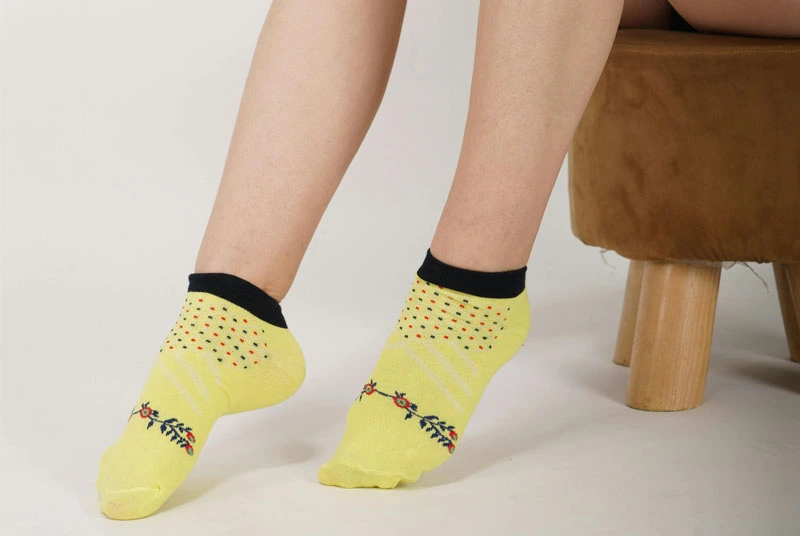
How to Stop Socks from Slipping in Sneakers?
The fastest way to stop socks from slipping in sneakers is to wear socks with silicone heel grips and a deep heel pocket. According to the Appalachian Mountain Club, heel friction is the leading cause of blisters, and a sliding sock is usually what triggers it. Most wearers blame the shoe, but worn-out elastic, slippery materials, and a poor sock fit are the real culprits. This guide covers why your socks keep sliding, four quick fixes you can use right now, and how to pick socks that stay put for good. Why Do Your Socks Keep Sliding Down in Your Sneakers? Socks sliding or falling down in sneakers comes down to five fixable causes. Poor Sock Design Socks without a built-in heel pocket can't anchor against the heel bone, so the fabric shifts freely with every step. Most budget socks use a flat, uniform cut, and the heel slides down the moment your foot pushes forward. Slippery Sock Materials Smooth cotton and 100% polyester have very little grip against a sneaker's lining, so the sock slides with each stride. Bamboo blends and silky synthetics make slipping worse, especially in sneakers with a smooth inner wall. For socks made with more sustainable fiber options, see Sockcn's sustainability practices. Incorrect Sock Sizing A sock that's too large bunches at the heel and loses grip quickly. One that's too small gets stretched thin across the foot, leaving the cuff without enough tension to stay up. Worn-Out Elasticity A worn-out cuff elastic can't hold the sock up, and it goes slack after repeated washing and wearing. Once the band goes slack, the sock drops within a few steps and won't stay up through a full walk or run. Improper Sneaker Fit A sneaker that's too wide or too long lets the foot shift inside the shoe, dragging the sock down with it. Loose laces or a thinner insole than the shoe was built for make the problem worse. 4 Ways to Stop Sneaker Socks from Slipping in Under a Minute None of these require new socks or special equipment. Use Sticky Tape Double-sided tape holds the sock fabric against your skin and stops it from sliding down. Fashion tape and medical-grade skin tape both work. Press a strip horizontally across the heel lining before you put the sock on, and it holds through a full day of walking. Tie a Heel Lock Lacing Knot A heel lock lace uses the top eyelet of your sneaker to clamp the heel collar tight against your foot. Thread the lace through the top eyelet on the same side to form a small loop. Then cross each lace through the opposite loop and tie as normal. The locked collar stops your foot from sliding forward, so the sock has nothing dragging it down. Stick on Silicone Heel Grips Silicone heel grips stick inside the heel of your sneaker and keep your foot from shifting, so the sock stays in place too. Most pads last several weeks before the adhesive wears out. Use the Quick Hairspray Trick Hairspray spritzed on the inside of the sock cuff grips the skin and keeps the cuff from rolling down. Spray, let it dry for 10 seconds, then put the sock on. The hold fades after a few hours, so this works best as a short-term fix. How to Select the Right Socks to Prevent Heel Slip The right sock design stops slipping before it starts. Look for Silicone Grips Socks with silicone grip strips along the heel and cuff hold the fabric against your skin. Look for raised silicone dots or a full-strip grip band on the inside of the cuff. A flat, smooth interior means no grip at all. Check for a Deep Heel Pocket A deep heel pocket wraps around the heel bone and locks the sock in place with every step. Without one, the heel seam sits flat against the foot and shifts forward under pressure. When shopping, turn the sock inside out. A properly shaped heel cup is easy to spot. Avoid Generic Sizes One-size-fits-most socks stretch unevenly across different foot shapes, leaving the heel area too loose to grip. Look for socks sized by shoe size rather than a broad range like S/M/L. A closer size match keeps cuff tension consistent and prevents sagging. For a full breakdown on finding the right fit, see how to find your exact sock size. Pick Elastic Material Blends Socks made from nylon or spandex blends snap back against the foot after each step, keeping the cuff tight throughout the day. Pure cotton stretches out and loses shape after a few hours of wear, letting the cuff drop. A blend with enough synthetic fiber holds its shape wash after wash. FAQ Q1. Can Sweaty Feet Make My Socks Slide Down? Yes. Sweat reduces friction between the sock and your skin, so the fabric loses its grip and slides more easily with each step. Socks with moisture-wicking fibers like nylon or merino wool keep that grip intact by pulling sweat away from the skin. If sweaty feet are a recurring issue, the best socks for sweaty feet covers the full details. Q2. How Should I Wash Socks so They Don't Lose Their Stretch? Wash socks in cold water on a gentle cycle and air dry them. High heat breaks down elastic fibers faster than regular wear does. Q3. Does Sock Slippage Cause Heel Blisters? Yes. Every time the sock shifts, it drags skin against the shoe’s heel lining. That repeated rubbing in the same spot separates the upper layers of skin, and a blister forms to cushion the damage. A sock that stays in place prevents that friction from building up. Q4. Do No-Show Socks Slip More Than Regular Socks? Yes. No-show socks have a shorter cuff, so there’s less fabric gripping the heel and they slip more than crew or ankle-cut styles in high-movement activities. Q5. Is It Normal for New Socks to Slip at First? Sometimes. Most socks settle
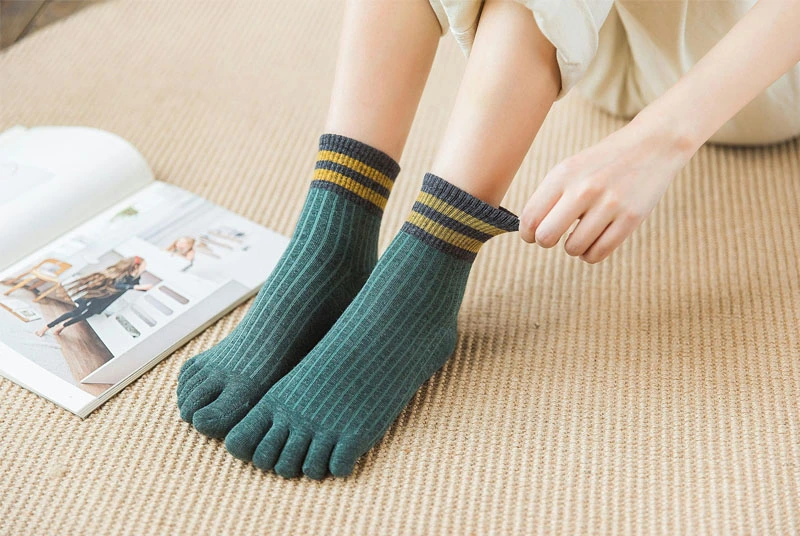
Are Toe Socks Good for You?
Yes, toe socks improve foot health by stopping the friction that causes blisters. According to data from the Journal of Athletic Training, friction blisters disrupt workouts for up to 40% of active adults. The right pair also prevents fungal infections, supports natural toe alignment, and improves balance during workouts. From blister prevention to better balance, the benefits of toe socks come down to one simple fix: keeping each toe moving independently. 5 Key Benefits of Wearing Toe Socks Toe socks improve foot health by fixing the main design flaw of traditional tube socks: toe compression. Wrapping each toe independently lets the foot move, sweat, and balance naturally. Effective Blister Prevention Toe socks stop friction blisters by wrapping each toe in its own protective layer. Standard tube socks force bare skin to rub together during movement, causing painful sores. Adding a fabric barrier blocks that direct friction before a blister even forms. Runners can find a detailed guide on how to prevent blisters when running for a broader look at sock choice and footwear fit. Improved Toe Alignment and Splay Regular socks squeeze toes together, slowly altering your gait over time. Separate slots let each toe expand and splay naturally on impact, relieving joint pressure and supporting a healthier stride. Superior Moisture Management Trapped moisture between bare toes breeds bacteria and athlete's foot. The fabric around each toe pulls that sweat away from the skin, keeping the foot cooler and preventing fungal infections. Merino wool sourced from Australia and New Zealand consistently outperforms synthetic blends for moisture control, which is why it remains the material of choice in sustainable sock manufacturing. Enhanced Tactile Feedback and Balance Separating the toes improves balance by letting your feet feel the ground, giving each toe a better grip on the insole. That grip helps your body adjust to weight shifts, adding stability to workouts and daily walking. Reduced Risk of Common Foot Issues Toe separation lowers the risk of developing corns, calluses, and skin ulcers. Stopping the direct rubbing prevents the hard skin buildup that causes these painful spots. The individual fabric sleeves also protect sensitive areas from tight shoe pressure. What Are the Different Types of Toe Socks? Toe sock designs target specific physical pain points. Different fabrics and cuts prevent everything from marathon blisters to studio floor slips. Performance Running Toe Socks Performance toe socks stop blisters during long distance runs by using thin synthetic threads. These materials pull sweat away fast during intense exercise. The slim design fits inside tight sneakers without adding bulk. Hiking and Trail Toe Socks Hiking toe socks cushion feet on rough terrain with thick wool blends. That heavy padding absorbs trail shock while keeping toes warm. The fabric also blocks dirt and sand from scratching your skin inside stiff boots. The added padding prevents foot pain during long descents. No-Show Toe Socks No-Show Toe Socks stay invisible inside casual sneakers or loafers. The low-cut profile provides full toe separation without showing fabric above the shoe line. These socks work well for office wear or gym routines. Yoga and Pilates Grip Socks Studio toe socks prevent slipping on smooth wood floors with silicone grip dots. Separating your toes allows for a natural barefoot grip during difficult poses. That sticky sole adds stability while keeping your feet off shared mats. Different Types of Toe Socks Comparison Table Each toe sock type solves a different problem, so the right choice depends on where and how you move. Toe Sock Type Activity Material and Design Benefits Performance Running Marathon training, daily runs Thin synthetic threads Stops friction blisters and pulls sweat away fast. Hiking and Trail Rough terrain, backpacking Thick wool blends Absorbs heavy boot impact and blocks trail dirt. No-Show Casual wear, office shoes Hidden low-cut profile Separates bare toes invisibly inside daily sneakers. Yoga and Pilates Grip Studio workouts, barre Silicone sole dots Prevents dangerous slipping on smooth wood floors. Match your toe socks to your workout. Different materials and cuts solve specific problems for runners, hikers, and studio athletes. Who Should Wear Toe Socks? Shoppers deciding between options often find the comparison of seamless toe socks vs regular socks useful before committing to a style. Long Distance Runners and Trail Hikers Runners and hikers wear toe socks to prevent friction blisters by wrapping each toe in a protective layer, stopping the skin-on-skin rubbing that ruins training schedules. Fitness and Studio Athletes Studio athletes rely on toe socks to maintain physical balance on smooth floors. Uncrowding the toes allows the foot to splay naturally. That active spread creates a wider, more stable base for demanding Yoga or Pilates poses. Bunion and Foot Deformity Sufferers Toe socks provide daily relief for bunions and overlapping toes by removing constant joint compression. Individual fabric sleeves gently space the toes apart. Toe separation stops skin irritation and encourages a healthier resting alignment. Hyperhidrosis and Sweaty Feet Patients Toe socks pull sweat away from the skin to stop foot odor and athlete's foot. Surrounding each toe with absorbent material stops bacteria from breeding in trapped moisture. That direct absorption keeps the foot dry and cools the inside of the shoe. How to Choose the Right Pair of Toe Socks? Choose your toe socks by matching the fabric, size, thickness, and cuff length directly to your daily shoes. The right combination stops friction blisters, fabric bunching, and painful toe compression. Select the Best Material Synthetic blends and Merino wool prevent sweaty feet by pulling moisture directly away from the skin. Quick-drying active fabrics prevent the damp friction responsible for painful blisters. Pure cotton simply traps sweat and worsens foot odor. For a reliable source, Sockcn offers OEKO-TEX certified toe socks built with performance fabrics for direct skin contact. Determine the Exact Foot Size Exact sizing stops loose fabric from bunching up under your toes. A precise fit keeps excess material from rubbing against your bare skin. Oversized socks create new pressure points inside your shoes. A tight pair pulls painfully against the sensitive skin
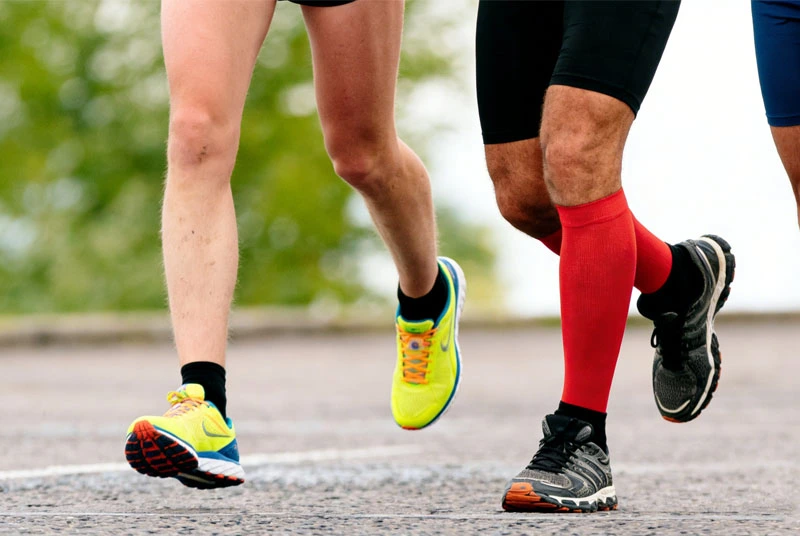
Should I Wear Compression Socks While Walking?
Yes. Wearing compression socks while walking reduces leg fatigue and swelling. According to the Cleveland Clinic, the pressure from compression socks helps push blood back up to the heart. This circulation prevents fluid buildup and keeps your ankles from aching during long walks. Getting results requires more than just picking a tight sock. You need the right compression level, breathable materials, and proper wear habits. Understanding how graduated pressure works, its actual benefits, and how to choose the right pair keeps your legs feeling light throughout your walk. 5 Key Benefits of Wearing Compression Socks While Walking The pressure from compression fabrics changes how your legs handle physical stress. These adjustments improve your endurance and protect your long-term vein health. Enhanced Circulation and Oxygen Delivery Compression socks push oxygen-rich blood to your leg muscles faster. This circulation delays muscle exhaustion. The steady oxygen supply keeps your stride strong, preventing your legs from feeling heavy halfway through a route. Accelerated Lactic Acid Removal Fast walking builds up lactic acid, creating a tight burn in your calves. The compression fabric flushes this acid out of your muscle tissue. Clearing the buildup means less burning during your walk and less stiffness the next morning. Enhancing Muscle Stability and Support Pounding the pavement sends shockwaves up your legs. The fabric holds your calf muscles in place, absorbing the impact of each step. Limiting this muscle vibration reduces fatigue and lowers your risk of shin splints. Prevention of Lower Limb Swelling Long walks often leave you with swollen feet and ankles. The graduated squeeze blocks fluid from settling in your lower legs. Keeping the swelling down ensures your shoes won't pinch or cause blisters during the final miles. Protection Against Varicose Veins and DVT Allowing blood to pool in your lower legs stretches the vein walls. This strain causes bulging varicose veins and increases the risk of deep vein thrombosis (DVT). The upward pressure helps weak vein valves push blood back up, lowering the risk of clots. Who Should Wear Compression Socks While Walking? Anyone walking benefits from less leg fatigue. The upward pressure becomes essential when age, long miles, or prolonged sitting force blood to pool in the calves. Distance Walkers and Hikers Compression socks prevent shin splints and calf fatigue on long trails. The tight fabric stabilizes muscles to absorb the constant shock of uneven ground. This firm support speeds up recovery after a hard hike. Travelers and Tour Groups Compression socks prevent heavy, swollen feet on walking tours. Long flights and car rides cause blood to pool in the lower legs. The socks force circulation to keep moving during transit, keeping legs light before the sightseeing even begins. Office Workers Graduated pressure protects inactive calves from sudden weekend cramps. Sitting at a desk all week slows circulation, leaving tight muscles unprepared for a long walk. The compression forces blood upward to safely support the sudden activity. Pregnant Women Mild compression stops painful ankle swelling and lowers varicose vein risks. Added weight puts heavy pressure on leg veins, forcing fluid to settle in the ankles. The upward squeeze pushes this fluid back up the calf. Seniors and Older Adults Compression wear acts as an external pump for comfortable daily walks. Aging vein walls stretch and weaken, allowing blood to pool in the lower legs. The steady pressure forces that trapped blood back toward the heart. How to Choose the Best Walking Compression Socks? Wearing the wrong compression socks causes more pain than relief. Finding the right pair requires the correct pressure, exact measurements, protective padding, and proper length. Select the Right Compression Level (mmHg) A 15-20 mmHg level provides the ideal pressure for daily walking. This range reduces leg fatigue without feeling uncomfortably tight. Only choose a firmer 20-30 mmHg grade if a doctor recommends it for severe swelling or vein conditions. Measure for the Perfect Fit Relying on shoe size often leads to a poor fit. Measure your ankle and the widest part of your calf. Take these measurements first thing in the morning before leg swelling begins. Sizing by calf width ensures the pressure hits the right muscle zones. Seek Reinforced Heel and Toe Padding Walking creates heavy friction at the heel and toe. Extra padding in these strike zones prevents the fabric from rubbing your skin raw, making it essential for preventing blisters when running. Choose Breathable and Moisture-Wicking Fabrics Trapped sweat causes skin irritation, so avoid 100% cotton, which holds moisture against your skin. Instead, choose moisture-wicking fabrics like nylon, spandex, or merino wool blends to stay dry and blister-free. Pick the Appropriate Sock Length Knee-high designs deliver the actual circulatory benefits. Covering the full calf allows the pressure to push blood up the leg. Ankle or crew lengths only squeeze the foot and fail to prevent calf fatigue. 4 Tips and Precautions for Walking with Compression Socks Improper wear and care restrict circulation and ruin the fabric. Follow these daily habits for timing, application, safety, and washing. Managing Wear Time and Duration Put the socks on before a walk and remove them a few hours later. Never wear them to bed. Lying flat removes the downward pull of gravity. Wearing tight fabric while resting restricts normal circulation. Applying Proper Donning Techniques Rolling compression socks like regular cotton socks makes them difficult to pull over the heel. Turn the upper half inside out down to the heel pocket. Slip the foot in, then unroll the fabric up the calf. Smooth out all wrinkles. Bunched material forms tight rings that pinch the skin and block blood flow. Spotting Health Risks and Warning Signs Remove the socks immediately if your toes tingle, go numb, or turn cold. People with peripheral artery disease (PAD) or severe neuropathy must avoid compression wear. The external squeeze restricts arterial blood flow, worsening leg pain and nerve damage. Maintaining Elasticity Through Proper Care Heat destroys spandex fibers. Wash the socks in cold water after every walk to clear out sweat and body oils. Always lay

Types of Socks: How to Choose the Right One?
According to the American Podiatric Medical Association, human feet produce half a pint of sweat a day. The wrong socks trap this moisture against your skin. This leads to blisters, foot odor, and ruined shoes. This guide explains how to choose the right socks to prevent these problems. We compare common lengths, review material types, and match socks to various sports and daily activities. For brands developing their own sock products, understanding these differences is also essential before designing branded socks. You can learn more about how companies design and produce branded socks in our complete guide to custom socks with logo. Comparing Different types of Sock Lengths Sock length affects how shoes fit and how much skin is protected. Choosing the wrong height leads to sliding heels or painful friction against the shoe collar. No Show Socks No show socks stay hidden below the shoe line. They provide a barefoot look while protecting your skin from the shoe's interior. Look for pairs with silicone heel grips. This stops the fabric from bunching up under your arch while you walk. Ankle Socks Ankle socks end exactly at the ankle bone. They create a thin barrier between your skin and the sneaker collar. Runners use this length to stop the back of the shoe from rubbing the heel raw. Quarter Socks Quarter socks sit slightly covers the ankle bone. This height covers the Achilles tendon. It protects the skin from being pinched by mid-top sneakers or trail shoes. Crew Socks Crew socks are the industry standard. They finish a few inches below the calf muscle. This length blocks out dust, debris, and cold air. They are the most versatile choice for casual sneakers, work boots, and dress shoes. Still deciding? Compare quarter vs crew socks to lock in the right fit. Mid Calf Socks Mid calf socks stop halfway up the lower leg. This height is standard for formal attire. It ensures no bare skin shows when you sit down or cross your legs. The ribbed texture helps the fabric grip the leg without sliding down. Boot Socks Boot socks reach the upper calf. They sit higher than the collar of standard work or hiking boots. The extra height provides thick cushioning. This prevents heavy leather from chafing your shins during long days. Over the Calf Socks Over the calf socks end just below the knee. The calf muscle acts as a natural shelf. This keeps the socks from falling down throughout the day. Skiers and equestrians use this length to prevent friction from tall, stiff boots. Sock Lengths Comparison Table Use the following table to quickly match the right sock height to your footwear and activity. Sock Style Leg Coverage Ideal Footwear Best For No Show Below the shoe line Loafers, boat shoes A barefoot look without blisters Ankle At the ankle bone Running shoes, gym sneakers Cooling and gym workouts Quarter Covers the ankle bone Mid-top sneakers, trail shoes Protecting the Achilles tendon Crew Lower calf muscle Everyday sneakers, boots Versatile daily protection Mid Calf Middle of the calf Dress shoes, suit trousers Professional attire and office wear Boot Upper calf area Work boots, hiking boots Shin cushioning and heavy labor Over the Calf Below the knee Ski boots, tall riding boots Stays up securely all day Choosing the Best Sock Materials for Comfort Sock materials control foot temperature, moisture, and friction. Wrong fabrics trap sweat and cause blisters. Cotton Socks Cotton is soft and cheap for casual wear. It absorbs sweat but holds onto moisture. Wet cotton stays damp against the skin and increases friction. Avoid pure cotton socks for heavy exercise or long work shifts. Merino Wool Socks Merino wool regulates temperature year-round. The fibers pull moisture away from the skin and resist odor. This keeps feet warm in winter and cool in summer. Merino wool works best for hiking, skiing, and outdoor jobs. Bamboo Socks Bamboo fabric is softer than cotton and hypoallergenic. The material breathes well and prevents irritation on sensitive skin. Bamboo also dries fast. Use bamboo socks for office wear, travel, or light walking. Coolmax Socks Coolmax is a synthetic fabric built for heavy sweating. The threads push moisture to the surface for fast evaporation. This rapid drying stops skin chafing. Coolmax fits high-intensity activities like running, cycling, and gym workouts. Polyester and Nylon Socks Polyester and nylon are tough synthetic materials. Brands blend these fibers with cotton or wool to add stretch and prevent holes. This blend helps socks maintain their shape and dry faster than pure natural fabrics. Sock Materials Comparison Table Use this table to match fabric types to your activity level and foot needs. Material Key Benefit Ideal Use Case Limitations Cotton Softness and affordability Everyday casual wear Traps moisture; causes blisters during sports Merino Wool Temperature control and odor resistance Hiking and outdoor work Higher cost Bamboo Hypoallergenic and smooth Sensitive skin and daily wear Less durable than synthetics Coolmax Rapid sweat evaporation Running and heavy cardio Synthetic texture Polyester/Nylon Stretch and durability Blended into athletic socks Low breathability if used alone Matching Your Socks to Specific Sports and Activities Athletic socks prevent blisters and arch pain. Wearing everyday socks for heavy workouts ruins your feet and your shoes. Hiking Socks Hiking socks feature heavy heel and toe padding to absorb trail impact. Merino wool construction blocks odors and retains heat during extended trips. Running Socks Running socks use thin synthetic blends like Coolmax to pull sweat directly from the skin. This rapid drying stops the friction that causes blisters over long miles. Basketball Socks Basketball socks cushion the entire sole to absorb hard landings on the court. Tight midfoot bands lock the fabric in place to prevent sliding and friction during quick stops. Cycling Socks Cycling socks fit tightly to slide inside rigid bike shoes. Thin synthetics prevent bunching. Bunched fabric creates pressure points that cut off circulation on long rides. Yoga and Pilates Socks Yoga socks use silicone bottom grips to hold feet steady on
Diabetic Socks vs Compression Socks: What’s the Difference?
According to the CDC's 2024 National Diabetes Statistics Report, 38.4 million Americans live with diabetes. For these individuals, and millions more managing poor leg circulation, everyday foot care is critical. Specialty hosiery plays a massive role in daily comfort and health, but choosing the right pair can be confusing. Mixing up diabetic socks and compression socks can lead to discomfort or even serious medical complications. This guide explains the exact differences between the two, helping wearers protect their feet and helping retailers provide the perfect clinical solutions. What are Diabetic Socks? Diabetic socks are specialized garments designed to protect sensitive feet. They feature a loose, non-binding fit that keeps blood flowing naturally. Instead of squeezing the calf, these socks remove dangerous pressure points and skin friction. This gentle design prevents minor foot issues from turning into major medical complications. Key Features of Diabetic Socks These design features keep feet safe and dry: Seamless Toes: Standard socks have a thick ridge that rubs against the toes. Diabetic socks use flat, smooth seams to stop blisters and irritation. Non-Binding Tops: The cuffs are stretchy and loose. They stay up without digging into the calf or leaving deep marks. Moisture Control: Breathable fabrics pull sweat away from the skin. Keeping feet dry is essential for preventing fungal infections. Extra Padding: Thick cushioning across the sole protects pressure points and absorbs walking shock. Benefits for People with Diabetes These socks help prevent serious long-term health issues: Preventing Ulcers: A small blister from a rough sock can quickly become an open wound. By removing friction and moisture, these socks help keep the skin intact. Protecting Numb Feet: People with nerve damage often cannot feel a small cut. The thick padding acts as a physical shield against injuries the wearer might not even notice. What are Compression Socks? Compression socks are garments that tightly squeeze the lower legs to push blood back toward the heart. The fabric fits tightest at the ankle and gradually loosens up the calf. Key Features of Compression Socks Specific design details give these garments their firm, constant hold. Graduated Pressure: The weave squeezes the ankle the hardest and slowly loosens up the calf to keep blood moving upward. Form-Fitting Grip: The material hugs the leg tightly to stop the fabric from sliding down or bunching up around the ankles. Heavy-Duty Elastics: Strong fibers stretch just enough to pull over the heel, then snap back immediately to hold the leg securely all day. Benefits of Compression Socks for Circulation The continuous squeeze actively fixes common vein and blood flow problems in the lower legs. Preventing Blood Pooling: The tight fabric acts as a physical pump to force trapped blood back up to the heart. This stops fluid from collecting in the lower legs when sitting or standing. Reducing Swelling: Keeping blood moving stops excess water from leaking into surrounding tissues. This prevents heavy, aching legs and swollen ankles. Preventing Varicose Veins: Constant outside pressure supports weak vein valves. This keeps surface veins flat and stops the painful bulging caused by backward blood flow. What Is the Difference Between Diabetic Socks and Compression Socks? Diabetic socks protect the foot using a loose fit. Compression socks improve leg circulation through tight pressure. Compression Levels Diabetic socks provide no compression. The wide cuffs sit gently on the calf, allowing blood to flow down to the toes. Compression socks actively squeeze the leg using specific pressure ratings measured in mmHg. Light compression starts at 15-20 mmHg, while medical grade hosiery reaches 30-40 mmHg. The tight fabric forces trapped blood back up to the heart. Wearing tight compression hosiery on a diabetic foot restricts necessary circulation and accelerates tissue damage. Note: Consult a healthcare provider to ensure the pressure level meets your circulation requirements. Seams and Stitching Diabetic socks lack inner toe seams. A flat interior stops raised threads from scraping the skin, preventing minor friction blisters from turning into dangerous foot ulcers. Compression socks use standard stitching. Fabric ridges sit safely against healthy skin but easily cut into numb or fragile feet. Padding and Cushioning Diabetic socks feature heavy cushioning across the sole. A thick bottom layer absorbs walking impact and acts as a physical shield against hard objects. Compression socks lack extra sole padding. Thin material focuses entirely on gripping the ankle and calf rather than protecting the bottom of the foot. Moisture Management Choosing the best material for socks is key for proper moisture control, as both types of socks rely on breathable fabrics to pull sweat away from the skin. For diabetic socks, a dry environment stops bacterial infections from attacking minor foot cuts. For compression socks, breathable threads keep tightly wrapped legs from overheating during daily wear. Diabetic Socks vs Compression Socks Comparison Table This table shows exactly which sock protects sensitive feet and which one pushes blood up the leg. Feature Diabetic Socks Compression Socks Primary Purpose Protect foot skin and nerves Force trapped blood to the heart Compression Level Zero compression; wide cuffs Active squeeze; tight fabric Toe Interior Flat and seamless Standard raised stitching Sole Padding Heavy bottom cushioning Thin material; no extra padding Moisture Goal Stop bacterial wound infections Prevent wrapped legs from overheating Impact on Numb Feet Acts as a physical shield Can restrict blood flow and may cut into fragile skin How to Choose the Right Socks for Your Needs? The choice depends entirely on whether the goal is to protect fragile skin or move trapped fluid up the leg. Choose Diabetic Socks for Foot Protection Diabetic socks are the right choice for individuals with diabetes, neuropathy, or generally poor foot circulation. Choose this option if you frequently lose feeling in your toes or struggle with slow-healing foot wounds. They are also the correct choice if standard sock elastics leave deep, painful rings around your calves. Choose Compression Socks for Swelling Compression socks are designed for those experiencing daily leg swelling, heavy aching calves, or visible varicose veins. They are the direct solution for nurses,
How to Prevent Blisters When Running: Causes and Cures
According to the Clinical Journal of Sport Medicine, friction blisters are the most common injury plaguing runners. The pain forces you to alter your gait, often leading to serious knee or hip issues. Whether you are logging high mileage or just starting out, ignoring your feet is a surefire way to sideline your progress. This guide details how to prevent blisters when running. It explains the causes of friction, essential gear, and proven steps to treat blisters properly. From the right shoes to the best socks, here is the plan to run comfortably. Why Do Runners Get Blisters When Running? Blisters are your body's cushion for damaged tissue. They form when friction separates skin layers, filling the gap with fluid. This separation stems from three main forces. Heat and Skin Friction Friction is the main trigger. It isn't just rubbing. It is shear force. Your sock grips your skin while your shoe grips the sock. This tension stretches skin layers until they tear. Heat accelerates the breakdown, often signaling trouble with a burning sensation before the blister appears. Sweat and Wet Skin Moisture weakens skin integrity. Wet skin softens and wrinkles like fingers after doing dishes. Soft skin is fragile and tears under pressure. Damp socks also grip skin harder than dry ones, making blisters much more likely on long runs. Tight or Loose Shoes Poor fit invites friction. Tight shoes jam toes together, creating immediate pressure points. Loose shoes let feet slide back and forth. This sliding acts like sandpaper on heels and the balls of your feet. How Can I Prevent Running Blisters? Prevention is easier than treatment. Wrong size gear and moisture are the primary causes of blisters. Make these adjustments to minimize the friction that tears up your feet. Choose the Correct Shoe Size Buy running shoes larger than your casual shoes. Feet naturally swell during a run, often expanding by a half size. If shoes fit perfectly while you sit, they are likely too small for running. Shop in the afternoon or evening when feet are already swollen to get the best fit. Allow Extra Room for Toes Toes need space to splay. A narrow toe box jams toes together, causing blisters. A good rule of thumb is to keep a thumbnail’s width of space between your longest toe and the end of the shoe. You should be able to wiggle your toes freely while standing. Wear Moisture Wicking Running Socks Avoid cotton. It acts like a sponge, trapping moisture and increasing friction. Instead, choose synthetic blends or merino wool. Quality synthetics, such as durable polyester running socks, combine moisture-wicking fibers with seamless toes to minimize chafing. These materials wick sweat away from the skin. Double-layer socks are also effective, shifting friction between layers. Apply Lubricant to Reduce Friction Apply products like Body Glide or petroleum jelly to high-risk areas before putting on socks. Focus on heels, the balls of feet, and between toes. This creates a protective slick layer, allowing surfaces to glide rather than grip and tear the skin. Adjust Laces to Secure Feet Heel slippage creates heat. If your heel slips with every step, lock it down. Use the runner’s loop or heel lock lacing technique. Thread the extra eyelet at the top of the shoe to create a tighter cuff. This keeps your heel planted without restricting blood flow. Cover Hot Spots With Tape Treat a hot spot (warm, irritated sensation) immediately. Do not push through the pain. Apply a barrier like moleskin, athletic tape, or blister bandages. This acts as a second skin to absorb the friction. Keep Feet Dry During Runs If you sweat heavily, use foot powder to absorb moisture. However, for rainy runs, skip the powder (it creates a paste) and carry spare dry socks instead. Swapping out wet socks halfway through a run resets your foot environment and helps prevent skin softening. 5 Steps to Treat Running Blisters Even with the best gear, blisters happen. How you treat them determines if you run tomorrow or take a week off. Step 1: Assess the Blister Severity Don't pop small, painless blisters. Intact skin is your natural defense against bacteria. Only drain a blister if the pressure is painful or it is in a spot that will inevitably burst during your next run. Step 2: Clean the Area Wash your hands and feet with soap and warm water first. Before a needle touches your skin, wipe the blister with rubbing alcohol. This prevents surface bacteria from entering the open wound. Step 3: Drain Large Painful Blisters Sterilize a needle with alcohol or a flame. Puncture the blister near the edge rather than the center. Gently press the fluid out with clean gauze, but leave the loose skin flap alone. That "roof" acts as a biological dressing for the raw skin underneath. Step 4: Apply Protective Blister Bandages Dab a little antibiotic ointment on the opening. Cover it with a hydrocolloid bandage or blister pad to keep the wound moist. Avoid standard adhesive strips; sweat makes them slide off instantly during a run. Step 5: Monitor for Signs of Infection Watch for red streaks, heat, or pus. If the pain gets worse or you run a fever, stop home treatment and see a doctor. FAQ Q1. Do Seamless Socks Really Reduce Blisters? Yes. Regular socks often have a bumpy seam that rubs your toes. The main difference in seamless toe socks and regular socks is the flat stitch. It smooths out that ridge, so the seam doesn’t hurt your skin. Q2. Do Custom Socks Help Prevent Blisters? Yes. Regular socks bunch up, creating hot spots. Custom fits stay put. At Sockcn, we offer custom socks that tailor premium materials (like Merino or Coolmax) and target cushioning to high-friction zones. Q3. Why Do I Get Blisters Under My Toenails? This is runner’s toe. While tight shoes are a culprit, long toenails are often the cause. Long nails bang against the front of the shoe, causing bleeding underneath. Keep nails
How Long Do Socks Last? A Guide to Durability and Care
Budget cotton socks often survive less than six months. This isn't your imagination. The Ellen MacArthur Foundation reports that many fast-fashion garments are discarded after only seven to ten wears. Upgrading to merino wool or reinforced synthetics offers better durability and long-term savings. This guide details sock lifespan by material, comparing everyday cotton against performance options. We also cover the main causes of wear and actionable care tips to help you prevent premature holes. How Long Do Different Types of Socks Last? Sock longevity depends on material strength and usage frequency. Measuring lifespan in wash cycles or total miles is more accurate than counting months on a calendar. Everyday Cotton Socks Standard cotton socks last three to six months. Short cotton fibers break down fast under constant friction. Thinning at the heel or the ball of the foot typically appears after 30 laundry cycles. Once the material becomes threadbare, a hole will form within a few wears. Athletic and Running Socks Expect six months to a year from performance socks depending on your mileage. When comparing polyester vs cotton socks, you'll find that synthetic blends like polyester and nylon handle friction significantly better than standard cotton. Holes are not the primary failure point because high-impact running eventually flattens the cushioning. If the socks stop absorbing shock, they are worn out regardless of the fabric condition. Merino Wool and Hiking Socks Quality hiking socks last two to five years. Merino wool blended with strong nylon fibers stretches and recovers without tearing. Because wool is naturally antimicrobial, it requires fewer washes. This preserves the fibers and allows many pairs to survive over 1,000 miles of heavy trail use. Compression Socks Compression socks have a functional life of three to six months. Elastic fibers like spandex lose tension over time even if the fabric stays intact. Once they become easy to pull on, they no longer provide the graduated pressure needed for circulation. If they feel like regular socks, they have lost their utility. Different Types of Socks Last Comparison Table The table below compares the typical lifespan and common reasons for replacement for each category. Sock Type Lifespan Reason to Replace Cotton 3 to 6 months Holes and thinning Athletic 6 to 12 months Loss of padding Merino Wool 2 to 5 years General wear Compression 3 to 6 months Loss of stretch What Factors Affect Sock Durability? Knowing what destroys fabric helps you get more use out of every pair. Material Quality and Fiber Type Fiber quality determines longevity, which is why choosing the best material for socks is important. Premium socks typically use merino wool blended with reinforced nylon. Standard industry abrasion tests often stop at 10,000 rubs. However, independent labs verified that Sockcn’s reinforced zones withstand over 100,000 rubs. This durability ensures heels and toes remain intact long after standard socks fail. Frequency of Wear and Rotation Wearing one pair multiple days in a row ruins elastic fibers. Socks need at least 24 hours to snap back into shape. Constant heat and moisture from your feet break down the material if the fabric stays damp. Shoe Fit and Internal Friction Shoes that don't fit right grind through fabric. Loose shoes cause sliding and heel wear, while tight shoes force toes against the shoe front. A snug fit prevents the unnecessary friction that destroys the knit. Rough Floors and Shoeless Walking Walking on carpet or hardwood without shoes ruins socks fast. These surfaces act like sandpaper against soft knits. Abrasive carpet fibers pull at threads with every step. Use slippers to protect the fabric from this surface friction. When Should You Throw Away Your Old Socks? Check your current collection for these four warning signs. Holes in Toes and Thinning Heels Thinning heels lose their cushioning and create painful friction inside your shoes. Replace any pair as soon as the knit becomes transparent. Once you can see your skin through the fabric, the sock can no longer prevent blisters. Loss of Elasticity Socks that fail to stay up cause irritation. Once elastic fibers lose their snap, the fabric bunches up and leads to foot fatigue. If your socks no longer stay in place on your calf, they are past their prime. Fabric Hardening and Stiffness Sweat and detergent buildup eventually turn soft fibers into a rough, crunchy texture. This stiffness irritates skin and stops the fabric from wicking moisture. If your socks feel like cardboard after washing, they are ready for the trash. Permanent Discoloration and Fading Extreme fading indicates that the fabric is structurally weak. Permanent yellowing often signals trapped bacteria that standard washing cannot remove. At this stage, the material is unhygienic and requires replacement. 5 Care Tips to Make Your Socks Last Longer Following these five simple habits will keep your socks in rotation for much longer. Wash on Cold and Gentle Cycles High heat damages fibers and shrinks fabric. Cold water protects elastic materials like spandex from losing stretch. Use a gentle cycle to reduce the rubbing that causes pilling and thinning. Air Dry to Prevent Heat Damage Dryers are a leading cause of sock failure. Excessive heat makes both synthetic and natural fibers brittle over time. Lay socks flat or hang them to dry to preserve their elasticity and soft texture. Trim Toenails to Avoid Toe Holes Sharp nails act like knives on soft knit fabrics. Most toe holes result from internal friction rather than outside wear. Keeping toenails short and smooth reduces the physical stress on the front of the sock. Rotate Pairs to Restore Elasticity Elastic fibers need time to recover between wears. Constant use stretches the material without giving it a chance to bounce back. Alternating pairs lets the knit to return to its original shape. Use Mesh Bags for Extra Protection Laundry bags prevent socks from snagging on zippers or hooks during the wash. A mesh bag shields the fabric from aggressive agitation and prevents pulled threads that lead to larger holes. FAQ Q1. Can I Customize Socks With the
Bulk Gifts for Coworkers in 2026: 5 Affordable and Popular Ideas
Recent data from Gallup indicates that consistent recognition is the single biggest driver of employee retention in 2026. However, buying individual items for a whole team often breaks the budget. Bulk purchasing solves this by unlocking volume discounts on quality goods. This strategy allows you to give premium items without paying full retail prices. This guide details five practical gift categories teams value, including custom socks and tech, while addressing key logistics like shipping and sizing. These insights protect your budget and help you handle volume orders efficiently. Why Bulk Gifting is the Top Trend for Employee Appreciation in 2026 Bulk gifting solves the logistical problem of employee rewards. It removes the headache of individual shopping while maintaining consistency across the organization. HR teams save time, and every employee receives equal recognition. Maximizing Value with Wholesale Pricing Buying in volume drops the unit price immediately. Reviewing the socks wholesale price guide helps you see how these discounts allow budgets to go further than single purchases ever could. Premium goods become affordable for the whole team, making higher quality accessible without inflating the bill. Building Team Unity with Shared Gifts Standardized gifts build connections. Giving the same item to everyone eliminates any risk of favoritism. It creates a shared experience that links staff regardless of location, uniting remote and onsite teams effectively. Focusing on Practical Gifts for Daily Use Workforce trends in 2026 favor function over novelty. Staff prefer items with a daily purpose, not decorative trinkets. Practical gear like drinkware or tech accessories fits into a workflow. The gift becomes a daily essential rather than drawer clutter. 5 Affordable and Popular Bulk Gift Ideas for Your Team These five categories offer high value and universal appeal to balance cost and quality effectively for 2026. Personalized Wearables Customized socks are the top wearable choice because they avoids the complex sizing logistics of t-shirts or jackets. Socks fit almost everyone without complex order forms. It’s a fun, subtle way to display company colors that doesn't feel like a uniform. Sustainable Drinkware Stainless steel tumblers or coffee mugs cut down on plastic waste while seeing daily use. Whether for hydration or morning coffee, durable materials mean the gift lasts, keeping your brand visible on a desk for years. Modern Tech Accessories Portable power banks or multi-device cables are crucial for preventing dead batteries during a commute. Practical tech shows the company understands modern workflow needs. Desktop Wellness Gear Mini humidifiers or ergonomic wrist rests make long work hours easier on the body. These small additions improve the daily workspace environment, showing care for employee well-being beyond just productivity targets. Everyday Carry Essentials Canvas tote bags or small organizer pouches are perfect for commuting or quick errands. These items offer large print areas for branding while serving a clear purpose, extending your brand visibility well outside the office walls. Top Occasions to Order Bulk Gifts for Coworkers Smart planning maximizes the value of corporate gifting. Picking the right moments to distribute items boosts morale and proves the department budget was well spent. Employee Appreciation Day and Major Holidays Seasonal events create the highest demand for bulk orders. Employee Appreciation Day (early March) and the annual holiday season require planning months ahead. Ordering early for these fixed dates secures inventory and prevents expensive rush shipping fees. It ensures the whole organization celebrates together, reinforcing a unified culture. Onboarding Kits for New Hires Maintaining a bulk inventory of "Welcome Kits" streamlines the onboarding process. Instead of rushing to source individual items for each new hire, HR can distribute directly from existing inventory. This operational readiness helps new employees feel integrated from day one. Team Achievements and Success Major targets deserve tangible recognition. Whether hitting a revenue goal or launching a product, a shared gift confirms the success. Bulk ordering allows management to reward specific teams promptly. Compared to scheduled holidays, these gifts appear spontaneous and tied to results, which builds motivation. Key Factors to Consider When Ordering Bulk Gifts The lowest sticker price isn't always the best value. A cheap item that fails quickly reflects poorly on the company. Requesting a physical sample to evaluate the material first is a prudent step. The goal is to secure volume discounts without compromising the quality standards your team expects. Unit Cost and Material Quality The lowest sticker price isn't always the best value. A cheap item that fails quickly reflects poorly on the company. Requesting a physical sample to evaluate the material first is a prudent step. The goal is to secure volume discounts without compromising the quality standards your team expects. Product Sizing and Inclusivity Collecting specific sizes for a large team creates a logistical bottleneck. Apparel often excludes people if the size range is limited or cuts are too specific. Universal items, like bags or tech accessories, eliminate this complexity. If wearables are necessary, verify the vendor understands sock sizes explained and supports a full range of inclusive sizes to accommodate the entire group. Shipping Costs and Distribution Ease Freight fees can impact the total budget unexpectedly. Heavy items like ceramic mugs cost considerably more to ship than lightweight tech gear. Distribution strategy is equally important. Sending individual packages to hundreds of remote addresses costs far more than a single pallet delivery to the office. FAQ Q1. Can I Mix and Match Colors or Sizes in One Bulk Order? Yes, most suppliers allow this. You can usually split sizes or colors within a total order if the print artwork remains the same. This helps everyone get the right fit without paying for separate, expensive setups. Q2. Are Sustainable Gifts Worth the Extra Cost in 2026? Yes. Employees today value eco-friendly materials and dislike cheap plastic waste. Choosing premium natural fibers, such as merino wool socks, ensures the gift feels luxurious and lasts for years. Q3. Should I Print a Large Company Logo on the Gifts to Maximize Visibility? No, subtle is often better. Employees rarely want to look like walking billboards outside
Bamboo Vs Cotton Socks: What Should You Choose?
Bamboo socks feel smoother and lighter. Cotton socks feel thicker, softer, and more structured. Choose bamboo socks for warm weather, sweaty feet, and a cooler skin feel. Choose cotton socks for daily cushioning, casual shoes, and a fuller sock shape. Most bamboo socks are made from bamboo viscose, so the fiber name is only one part of the decision. Sock thickness, knit density, yarn blend, heel reinforcement, and washing habits all affect comfort and durability. What Are the Key Differences Between Bamboo and Cotton Socks? Bamboo and cotton socks differ most in skin feel, airflow, moisture behavior, and wash stability. Feature Bamboo Socks Cotton Socks Skin feel Smooth, light, low friction Soft, familiar, fuller Warm weather comfort Usually feels cooler in thin knits Can feel heavier when damp Moisture handling Absorbs moisture and may feel less sticky Absorbs moisture but may hold dampness longer Shape retention Needs elastic support for better recovery Can shrink with high heat Common use Summer socks, light casual socks Daily socks, crew socks, casual socks Skin Feel and Softness Bamboo viscose socks often feel smooth against the skin. This lighter touch suits people who dislike rough yarn, shoe friction, or heavy socks in warm weather. Cotton socks feel more familiar and substantial. Combed cotton feels smoother than basic cotton because shorter fibers are removed during processing. The cleaner yarn surface can reduce scratchiness and create a softer everyday feel. Breathability and Airflow Bamboo viscose socks usually feel more breathable when the sock uses a thin knit. This lighter structure helps reduce the trapped feeling that builds inside shoes during summer. Cotton also allows airflow, but it absorbs moisture readily. Once cotton stays damp, the sock can feel heavier against the foot. Wash Durability and Shape Retention Pure natural fibers have limits. Bamboo viscose feels soft, but it may lose shape without elastic support. Combed cotton can feel more stable in many daily sock constructions, but pure cotton socks may shrink when washed or dried with high heat. Many durable socks use nylon and spandex to improve performance. Nylon reinforces high wear areas such as the heel and toe. Spandex helps the sock recover after stretching and washing. Are Bamboo Socks Better for Sweaty Feet and Warm Weather? Bamboo socks can work well for sweaty feet when the sock is lightweight, smooth, and properly blended. The comfort comes from the full fabric structure, not from the bamboo label alone. Hot Weather Breathability Hot weather makes socks uncomfortable when heat stays trapped around the foot. Thin bamboo viscose socks often feel lighter than thick cotton socks, which can make closed shoes feel less stuffy. This matters most in sneakers, loafers, summer shoes, and fitted shoes with limited airflow. Daily Moisture Control Lightweight bamboo viscose socks can absorb moisture and spread it through the knit. This may reduce the sticky feeling that appears after long hours in shoes. For broader sweat-control choices, compare the best socks for sweaty feet before choosing bamboo, cotton, or performance blends. Sock thickness still matters. A thick bamboo sock may feel warm, while a lightweight cotton blend may feel more breathable than expected. Odor Control and Fresh Feel Comfort Sock odor often gets worse when sweat stays trapped inside the shoe. Bamboo socks may create a fresher feel when the fabric helps the foot stay less damp through the day. This is moisture related odor comfort, not a guaranteed antibacterial effect. Less damp fabric can reduce the conditions that make odor more noticeable. Are Cotton Socks Better for Everyday Wear? Cotton socks are a strong choice for daily wear when you want cushioning, structure, and a classic sock feel. They work well with sneakers, boots, and casual shoes that need a fuller fabric. Everyday Cushioning and Comfort Cotton socks provide a thicker underfoot feel for walking, commuting, and casual wear. This cushioning helps reduce direct friction between the foot and the shoe. Medium weight cotton crew socks also hold a cleaner shape than many thin bamboo socks. This makes cotton useful when the sock is part of the outfit. Combed Cotton Softness Combed cotton is usually better than basic cotton when softness matters. The smoother yarn surface can feel gentler against the skin and reduce rough contact during daily wear. For sensitive skin or retail basics, material testing also matters. Buyers often look for yarns or finished products tested under standards such as OEKO-TEX. Organic cotton products may need GOTS certified materials when the sock is marketed as organic. Brands comparing certified cotton options can review organic cotton vs cotton before choosing yarns for premium or sensitive-skin sock lines. Bamboo vs Cotton Socks for Different Use Cases No single material works for every sock. The right choice depends on season, shoe type, sweat level, and wearing time. Summer Sock Materials Bamboo socks often work well for summer socks, no show socks, and lightweight low cut socks. The fabric feels smooth and light, which helps reduce heat buildup inside fitted shoes. Cotton can still work in summer if the sock is thin and breathable. Heavy cotton socks are more likely to feel warm in humid weather. Casual Daily Sock Materials Cotton is practical for daily crew socks, retro socks, and medium weight lifestyle socks. The fabric has enough body to hold shape and pair well with sneakers or boots. This fuller structure gives the foot a more padded base. For people who like a classic sock feel, cotton often feels more secure. Active and Long Hour Wear Materials For long hours of walking, standing, or light activity, blended socks often work better than pure bamboo or pure cotton. Natural fibers provide comfort. Nylon and spandex improve stretch, fit, and wear resistance. This matters in high friction areas: Heel Toe Arch Ankle opening A stronger blend helps reduce sagging, rubbing, and early wear. For brands developing custom socks, these wear zones should guide yarn choice, reinforcement, and stretch design. How to Choose Between Bamboo and Cotton Socks Choose based on the problem you want