
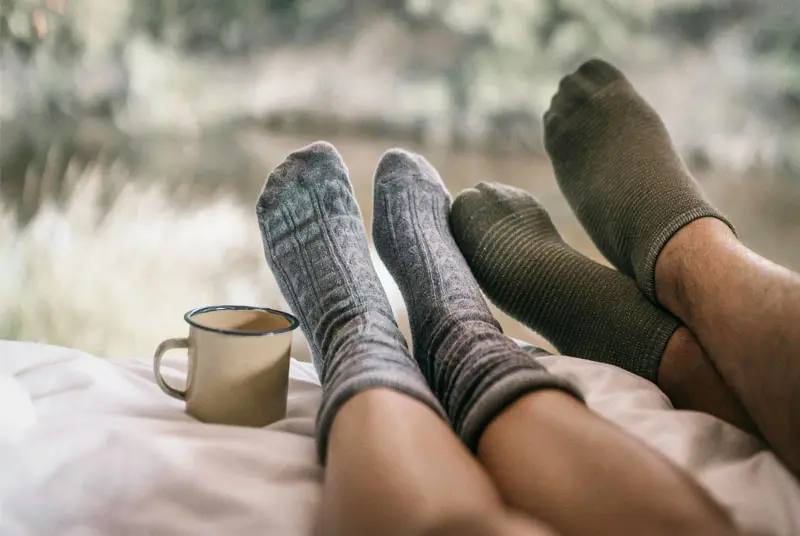
With the improvement of living standards, people’s expectations for socks have also become increasingly higher. Many people are puzzled as to why they still feel cold and damp even after wearing warm socks. In cold weather, you put on socks to keep warm, but surprisingly, your feet become even colder than before. Many people initially attribute this to the weather or blood circulation problems, but the real culprit is often right in front of us - it is the pair of socks you are wearing. Today, let’s take a look at the specific reasons and how to avoid this problem. Common Reasons Socks Make Feet Feel Colder We have to diagnose the problem first if we want to present a solution. The feeling of cold isn’t always just a matter of temperature — it’s a matter of dampness and confinement. So, these are the top three reasons why your trusted socks have been turning on you. Wrong Material Traps Moisture The human foot is a sweat machine, with around 250,000 sweat glands and capable of producing over a half-pint of moisture each day. When you use socks composed of non-breathable or sweat-retaining fabrics, you end up with a microclimate of humidity inside your sock. First, let's understand the scientific principle behind feeling cold. The Science of Evaporative Cooling: When moisture (sweat) is trapped on your skin, it starts to evaporate. Evaporation is an endothermic process and heat energy is taken from your body to evaporate the sweat. This is called evaporative cooling -- the same concept that makes you feel chilled when you get out of the shower. A soggy sock, on the other hand, pulls heat away from your feet so that you continue to feel cold even if the air temperature is not particularly low. In the past, during the cold winter, people would choose cotton socks. Actually cotton is the quintessential awful cold-weather sock fabric. It’s really good at soaking up moisture like a sponge, but it holds that dampness right against your skin. The expression “cotton is rotten” is well-established in hiking and outdoor rhetoric specifically because of issues like this. Once a cotton sock gets wet, it no longer insulates, and it can make your feet feel like they’re wrapped in a cold, wet blanket. The wrong materials not only fail to absorb moisture and facilitate sweat evaporation, but also cause moisture to accumulate on your feet. So, what kind of materials can effectively achieve the function of absorbing moisture and facilitating sweat evaporation? In outdoor activities such as hiking, climbing, and hunting, the market for merino wool has received increasing attention. This is precisely because merino wool is a natural fiber with a hollow structure. Merino wool is Mother Nature's smart fabric! Its fibers naturally pull moisture away from your skin, carrying sweat vapour to the surface of the fabric where it can evaporate. That keeps you dry and stops you from getting cold. When compared to synthetics, merino wool is able to hold more moisture before it begins to feel wet. At the same time, its crimped fibers create tiny insulating air pockets that trap warmth in cold weather and breathe in hot weather, which turns it into true temperature-regulating magic for all environments. In lightweight sports, like running,cycling, Coolmax® is an excellent choice. Coolmax®serves as an alternative to wool socks. It is entirely made based on the hollow fibers found in animals.Coolmax® fabric performs like moisture. Its unique cross section forms tiny channels or capillaries that move sweat away from your skin. This brings moisture to the outer layer of fabric and the moisture is allowed to spread in a thin layer over a large area, leading to rapid evaporation. By wicking moisture out of your skin, it helps you stay dry and comfortable rather than wet and chilled. It’s more than just absorbent — it’s a system for moving moisture. Poor Fit or Compression The fit of each part of the socks is crucial for their insulation effect. This is not only about comfort - it also relates to physiological functions. Tight socks: Tight socks can impede blood circulation. The body's heat is transferred to the limbs through the blood. If the tight cuff at the sock opening or the overall pressure of the sock disrupts this blood flow, then the warm blood flowing to the feet will decrease. And the reduced warm blood means the feet will be colder. It's like partially tightening a water pipe; the water flow will decrease. Loose socks: On the other hand, very loose socks cause completely different problems. Insulation relies on forming a warm air layer on the skin surface. Loose socks cannot form a smooth, tight, and lifeless air layer. Instead, it causes excessive air flow, resulting in cold spots and forcing the body to compensate by heating a larger and unstable air volume. Moreover, loose socks may slide inside the shoes, creating a pressure point, which further restricts blood flow. If cotton is the problem, Merino wool is often the perfect solution. This natural fiber, sourced from Merino sheep, possesses a unique set of properties that make it exceptionally well-suited for temperature regulation and moisture management. Why Merino Wool Socks Work Better for Cold Feet Natural Temperature Regulation Synthetic insulators just BLOCK cold, Merino Wool RESPONDS to your body and its environment. Air trapping structure: Merino fibers are crimped and when spun into yarn, they form millions of microscopic air pockets. This trapped air acts as a good insulator creating a stable thermal barrier that keeps body heat in and cold air out. Lightweight Warmth: Merino wool is incredibly warm for its weight. it is possible to make socks that are not very bulky but are very effective in trapping heat, leading to a better fit inside footwear. Moisture Wicking and Breathability It is the daily use of Merino wool that stands us the above the rest, and combats the problem of evaporative cooling. Hydrophobic Core, Hydrophilic Surface - Every Merino fiber has a resistant to water (hydrophobic) core and a shell that attracts water (hydrophilic). The fiber is able to take in up to 30 percent of
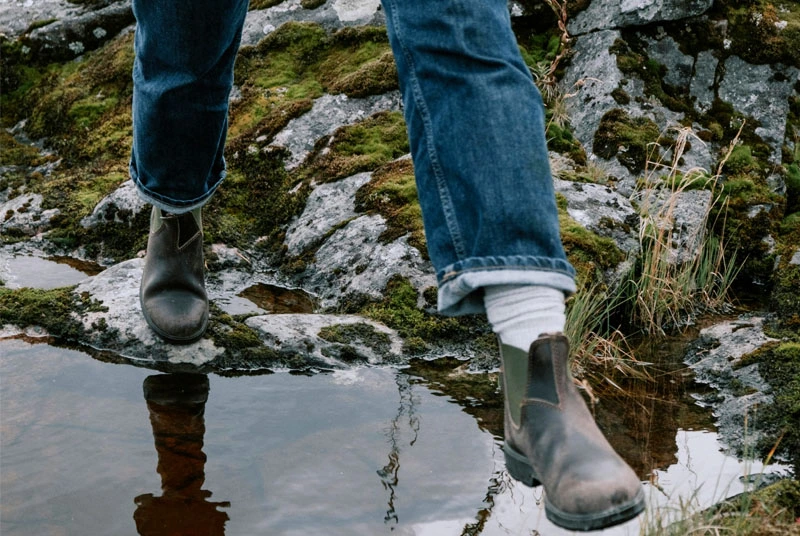
Best Socks for Hiking: A Guide for Outdoor Brands
The following is a comprehensive guide to buying hiking socks written by experts from outdoor brands from a consumer-educational point of view. This style of post is not only helpful to hikers, but your brand gains trust and authority by appearing in these search results. Of course, offering a great product starts with more than just knowledge—it requires the right manufacturing partner. For brands looking to create superior wool socks, understanding how to choose a reliable socks factory is equally critical. But first, let’s find out how to choose good socks for hiking! What Makes a Good Pair of Hiking Socks? A pair of professional hiking socks is more than warm cloth, it's necessary gear to make hiking comfortable and maintain the health of the feet. Merino Wool Benefits This is one of the core functions of hiking socks, directly affecting the comfort of the feet and whether blisters will form. Material is key: Merino wool is the best option: If you are getting outdoor socks, then this is the “gold standard”. Merino wool fibers are hollow and so have a faster drying time, they also draw moisture away from the skin and keep you warm even when they're wet, plus are naturally antibacterial and resistant to odor. Synthetic functional fibers: Like Coolmax and polyester fibers. By special physical structure or chemical finishing, these fibers or fabrics can let sweat leave your body immediately and keep you cool and dry. No pure cotton: Cotton socks are hard to dry once they get wet. Wet socks create friction and greatly increase the chances of blisters, but also wet socks can cause cold feet and this is very dangerous as it may lead to hypothermia. Structural design aids: The body of the sock is normally constructed with a combination of weaving techniques, using more ventilated and thinner mesh or ribbing in places where you sweat the most like on the instep and ankle, to keep air flowing. Cushioning & Impact Protection Hiking, particularly heavy-duty hiking, has a substantial impact on the knees and feet. Good hiking sock is well padded and protective. Zoned Cushioning Design: Professional hiking socks are not uniformly thick. They have extra terry cloth padding or special cushioning material in the areas which are subject to the most pressure and friction, like the heel, forefoot and ankle. This “zoned cushioning” allows for your foot to absorb pressure when the foot lands, reducing the pressure on joints, protecting your toes (so they don’t hit the toe box) and providing cushioning between bony prominences and the upper of the shoe so that they don’t get irritated. Balance of Cushioning and Flexibility: Thin and supportive knits are used in the instep and arch areas to allow flexibility and a fit that is not too tight, keeping the sock from being too bulky and restricting motion. Fit & Elasticity Even the best features are useless if socks don't fit properly. Ill-fitting socks cause wrinkles and chafing, directly leading to blisters. 3D Cut and Ergonomic Design: Superior hiking socks employ the L/R (left/right) design, they are separately 3D knitted for each foot, adapting perfectly to the natural curves of the foot and getting rid of any excess fabric. A special "pocket" at the heel locks the sock to the foot and keeps it from sliding or folding. High-Elasticity Materials: Usually consisting of a combination of Lycra, spandex, or elastic nylon with the main fabric, so of an all round elasticity. This stretch allows the sock to snugly fit around the feet without sliding, but not be too tight that it compromises blood flow. An elastic support at the ankle and the cuff is highly necessary for this purpose so that it keeps the mud and sand out of your shoes and without bunching holes. When buying hiking socks, take your type of hiking light/heavy pack, season) into account to determine the thickness of the material and the composition. You can definitely check out the smartwool hiking socks types. The right hiking sock is a magical blend of material, construction and design, and a good pair can mean the difference between a miserable day on the trail and a comfortable one. Are Wool Socks Really the Best for Hiking? For the majority of hiking situations, particularly longer hikes and those with unpredictable weather, merino wool socks will serve you best overall. But they aren't a magic bullet: there are situations where synthetic, or blended socks, can be better. Merino Wool Benefits Why Merino wool ? What is Merino and why is it so highly regarded, it has all the properties that you don´t get with ordinary cotton or regular wool and is just perfect to use outdoors. Superior Moisture Management: Merino wools can absorb up to 30 percent of its weight in water and maintain a dry feeling. On the other hand, cotton socks feel moist and cold when wet, while synthetic materials usually remove sweat from the interior of the sock to the outside. Wool wicks moisture from your feet and insulates you from the cold associated with the evaporation of sweat, so the micro environment around your feet is stable. Better Temperature Control: The natural crimp of the wool fiber traps air which makes it an insulator. In other words, it is the best layer when it comes to radiating your warmth outwards in winter, and in summer that same insulation layer reduces the exposure to the sun's heat that comes inward to your feet, resulting in a touch of coolness. It is indeed a smart, naturally temperature regulating material. Natural air purification and odor neutralization: The molecules found in the keratin that makes up wool’s fibers has an inherent ability to neutralize odors, and hamper the growth of bacteria. For those travelers who do not hike for many days in a row and have no opportunity to change socks daily, after one day your feet and shoes won't be smelly. Soft and Comfortable: Merino wool is not like the traditional coarse wool fibers are extremely fine (normally measuring below 20 micrometers in diameter) making it super soft. It means you won't get itching or allergic reactions from wearing it directly on your
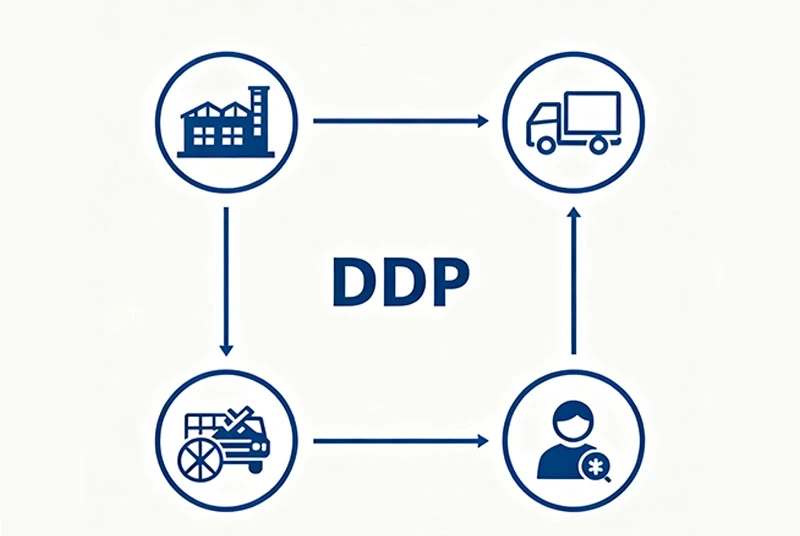
DDP Shipping Terms for B2B Socks Buyers Explained
hello everyone! We are sockcn, a manufacturer specializing in high quality socks. Contact with owners of brands worldwide We are contacted on a daily basis by brands from all over the world. While talking about styles, fabrics and colors of the socks, what we are talking most is “How much is the shipping fees and import duty calculated?” Today I want to suggest a means of shipment which I think will be very convenient for the both of us, ddp shipping term. maybe you saw it in the quotation, but you have no idea what it is. No worry, this post will use simple words to tell you everything you need to know about DDP and show you how DDP can make your imported socks business a lot easier. What Does DDP Mean in Shipping Terms? What is ddp shipping terms? To put it simply, This is like a delivery duty paid from our factory or means door-to-door delivery with customs clearance. Its English name is Delivered Duty Paid (DDP), and pronunciation of its Chinese name is “Delivery after Duty Paid”. Imagine you picked the option “Free shipping, tax included” when purchasing products online — DDP is like “Free shipping, tax included” that’s more premium in B2B commerce. The promise is that when we produce the socks, everything is our responsibility — international shipping costs, insurance, export custom declarations, and all import customs processing when the goods arrive in your country, including payment of duties and taxes. In conclusion, we will safely deliver the goods to the designated warehouse door through local logistics in your place. All you have to do is sign for the package at your door. We’ll take care of all the complicated and potentially expensive middleman procedures for you. How DDP Shipping Works for Socks Orders Let's consider a simple example to understand how DDP functions: Quotation and Confirmation: You asked for 10,000 pairs of sports socks from us. We quoted you a DDP price, for example, “$1.5 per pair, DDP to the warehouse in Los Angeles, USA”. This cost already includes every foreseeable cost. Production and Delivery: When the production is finished we will booking the vessel, container loading and buy marine insurance through the freight forwarder. Ocean transportation and customs clearance: Upon the goods are arrived at the Port of Los Angeles, U.S, our freight forwarder that we cooperate with will take care of all the U.S. customs matters and pay for the tariffs and taxes. Last-mile delivery: After the customs process is complete, the freight forwarder can hire a truck to deliver the full container or the little packs directly to your warehouse in Los Angeles. Receipt: You examine the goods and sign them away. When it's done, it means it's the end of the entire procedure. During all of these, you barely need to interact with customs or freight forwarders, thus saving tremendous amount of time and communication cost. Advantages of DDP for B2B Socks Imports Why do more and more brand owners tend to choose DDP? Transparent budget, no additional/unexpected charges: DDP price is a “all-in-one” price. You can stop worrying about unexpected tariffs or customs clearance fees or handling charges now that your goods have arrived in the port. This just make your monetary budget super simple and easy to control. Time and energy saving, you can concentrate on your main business: There are a lot of documents and regulations on import customs clearance, very complex. When you select DDP you are entrusting us with these specialized and time-intensive procedures. Then you could concentrate more on market sales and brand building. Lower risk: Because we take care of the entire shipping and customs process, we will be responsible (until they are delivered to your doorstep) if your goods get held up or damaged in transit. This is a major reduction of your supply chain risk. Simplify your teams work: Your team doesn’t need to dedicate a logistics specialist to international transportation issues, and that saves on labor costs, too. When Should Socks Brands Choose DDP Shipping? When an DDP delivery method should be selected for a sock brand? DDP is great, but it’s not a one-size-fits-all solution. DDP is recommended in the following situations: First-time importing: If you’ve never imported before and you’re not sure what to expect when you import, DDP is the way to go as it will give you a smoother learning curve. Higher order value: For big orders, DDP may provide a more stabilized total cost, which may help you avoid the impact of tariff volatility on your finance. Want to devote ourselves to sales: If you are a growing brand, it is expected that we will concentrate all of our efforts into sales and channel expansion. The customs clearance procedure in your destination market is complicated: For some countries, the customs clearance is troublesome or the tariff is complicated. It is better you let our professional team take care of it. Tips for Managing DDP Socks Orders Successfully In order to ensure smooth DDP cooperation, we recommend you do as following: Fill accurate and complete delivery information: including full the name of your company, address, contact person, telephone number, etc. Any misinformation can cause delay in clearance and extra charges. For the import documents required to you: Although customs clearance is and our responsibility, there are times when we might need for you to provide us some documents such as the importer's qualification certificate, etc. Please cooperate promptly. For urgent situations, you may contact me. Maintain the flow of communication: we and our forwarder will constantly keep you posted with the whereabouts of the goods and customs clearance status. Open channels of communication will also allow problems to be fixed more quickly. Trust your partners: when you opt for DDP, you are choosing to place your trust in our factory's supply chain management ability. Just relax and leave the logistics to us. So, we would be very conscientious and responsible to the end as it in the production quality. Conclusion In short, choosing DDP means opting for a hassle-free partnership. Unlike FCA shipping terms, where you manage the main transit, we handle everything door-to-door. Ready to simplify your sourcing? Just ask: "Please quote the DDP price." Let's grow your
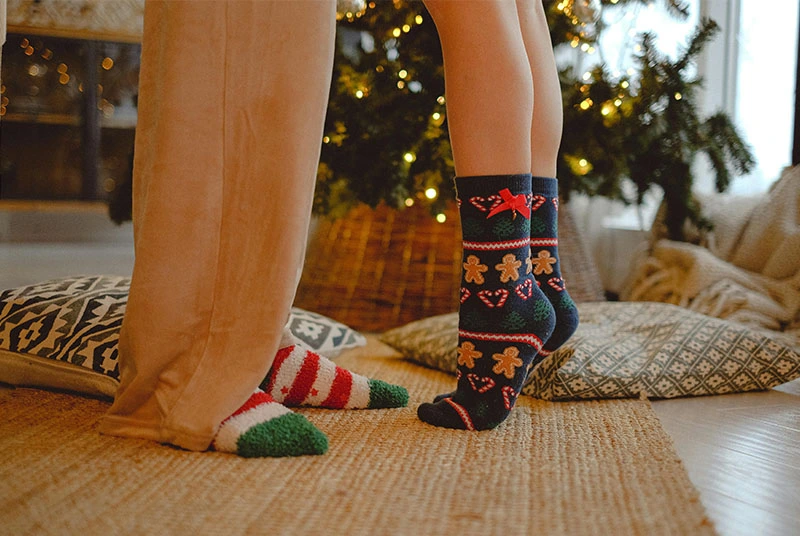
Where Can You Buy Christmas Socks in Bulk?
Christmas socks are a classic element of festive celebrations, highly valued for their festive designs and practical functions. From the cozy knitted styles used in family gatherings to the branded custom-made versions for corporate gifts, the demand for Christmas socks , especially for bulk purchases continues to grow. This guide will show you where and how to purchase Christmas socks according to different needs. Online & Bulk Buying Options for Christmas Socks Bulk purchasing of Christmas socks has been simplified by the rise of e-commerce, with multiple platforms catering to different buyer needs—from small businesses to large retailers. Wholesale Marketplaces The socks wholesale market is mainly divided into two categories: offline physical stores and online platforms. Offline ones include well-known places like Yiwu International Trade City. However, such offline wholesale is more suitable for stocking up and purchasing existing styles. While online platforms are much more numerous. In China, there is the 1688 International Station which meets both wholesale and customization needs. Outside of China, there are also platforms like 4sgm.com and Wholesale Mart that are suitable for quick online connections or cross-border purchases. Custom Socks Factories For buyers who require customization and have specific personalized needs, the best option is to purchase custom Christmas socks directly from the factory. These factories are skilled at tailoring products according to the specific requirements of customers. You can customize the logo, as well as unique holiday patterns (such as those with a Christmas theme style), sizes (adult, children's or special-purpose styles), and fabrics (such as combed cotton, wool or coral fleece, etc.) Seasonal Gift Suppliers & Corporate Merch Vendors Seasonal gift suppliers and enterprise custom-made goods suppliers offer a wide range of products covering from holiday gifts to enterprise gifts, and provide end-to-end services including customization, procurement and logistics. Their service targets diverse buyers (enterprises, retailers, individuals), and are particularly suitable for customers who need various types of gifts/commodities. How to Make Christmas Socks for Your Brand Understanding the process required to customize your own brand of Christmas socks is an essential step. Start with Your Design Concept The process of designing personalized Christmas stocking concepts begins by clearly defining the core positioning and purpose. Next, it is necessary to consider whether it aligns with one's brand style. Then, specific design details need to be considered, such as whether patterns and colors with Christmas themes can be used. Of course, the overall layout of the pattern also needs to be considered to ensure better coordination. Finally, the overall design concept should also match the material of the stocking production to avoid conflicts between the customization process and the material, which could prevent the production from being carried out. Select Materials and Yarn Types When choosing the material and yarn for the socks, you can make reasonable selections based on specific needs: For daily wear, cotton is the preferred material; for warmth, coral fleece and flannel materials are suitable. In terms of yarn selection, fine yarns produce socks with better texture and are less prone to balling. If you need specific functions, such as anti-slip properties, you can choose styles containing anti-slip yarns, which can enhance stability during wearing. During transportation and use, the durability and practicality of the material should be taken into account. Add Custom Branding Details Add custom branding details to boost recognition. Employ techniques like embroidery, heat transfer printing, or woven labels to incorporate your brand logo, slogan, or limited - edition holiday details. Position the trademark in prominent locations such as the cuff or side panel of the socks to guarantee enhanced visibility and exposure. This strategic placement not only serves as a branding tool but also contributes to the overall aesthetic and marketability of the product within the academic context of marketing and product design research. Partner with an Experienced OEM Factory Such partners can not only provide pre-production samples, but also have relatively low minimum order requirements. Additionally, they will conduct quality inspections, including details such as stitch precision and color fastness. Besides meeting core production standards, they are better at translating your demands into actual outcomes, offering you more practical industry advice, and reliably adhering to delivery times. Key Considerations When Buying Christmas Socks Buying Christmas socks focuses on 5 core points: material (comfort/durability), MOQ/lead time (fit needs, meet holidays), design customization, pricing/packaging, and custom socks'cost-effectiveness. Material Quality & Comfort The quality of the material of socks directly affects the user experience and durability. Different materials also have different uses. If they are only for daily wear, it is recommended to choose breathable cotton, which can effectively reduce foot sweat; polyester blends can enhance durability and abrasion resistance, and are also suitable for frequent wear. In winter, for warmth, it is more recommended to choose coral fleece material. MOQ & Production Lead Time The minimum order quantity can also be adjusted according to the needs of different buyers. For example, small businesses or individual buyers are suitable for low minimum order quantities, as this can avoid overstocking and resulting in unsold products. While large retailers can achieve bulk discounts by setting a high minimum order quantity. Regarding the delivery time, in order to ensure timely delivery, it is more advisable to include the delivery time in the contract. This will more effectively ensure that the goods are completed on time. If there is an urgent need to rush the production of goods, it is best to contact the factory to see if additional funds can be provided for emergency production. It is also effective to continuously follow up on the production progress of the goods during the production process to prevent overdue delivery. Design Versatility & Customization Options Socks come in a wide variety of designs and can be adapted to various scenarios. If it is mainly for exhibition or for appearance, then choosing patterns such as Santa Claus and snowflakes, which highlight the festive atmosphere, would be very suitable; while if it is just for daily wear, simple stripe styles or solid colors would look more casual. Personalized customization can make

Wool Socks in Summer: Why Brands Should Care
In the past 2025 summer, many famous brands launched wool socks as their hot summer icon. And it is really a brilliant try. The summer wool socks won a lot of attention and heat. But why did the brands take such a creative chance? The answer is the fine wool. Are Wool Socks Good for Summer? When it comes to wool socks, many people's first reaction is that they are thick and warm for cold winter. However, this is actually a common misunderstanding. Thanks to modern textile technology, especially the wide application of fine wool materials such as Merino wool, wool socks have become a high-performance all-season clothing, especially perfect for summer. Temperature Regulation Explained Wool fiber has unbeatable temperature regulation properties, which makes it an excellent choice to cope with the variable temperatures of summer. The natural curly structure of wool fibers can form countless tiny stationary air layers between the fibers. These air layers can effectively lock in body temperature and resist the severe cold in winter. In summer, they act as an "insulating layer", separating the external heat from the skin on the feet and preventing rapid heat conduction. Meanwhile, the physical structure of wool fibers ensures excellent breathability, allowing free air circulation and preventing heat accumulation inside the shoes, thereby maintaining a relatively cool and stable microclimate environment. Unlike the "unidirectional" nature of many artificial fibers, wool is an "intelligent" regulating material. It doesn't simply make the feet feel hotter or cooler, but dynamically adjusts according to the ambient temperature. In an air-conditioned room, it can prevent feet from getting too cold. It can effectively insulate against external heat in high outdoor temperatures. This bidirectional regulation ability enables the feet to be in a comfortable balance point in any environment. Moisture Control and Dry Comfort In summer, feet are easy to sweat, and dampness is the main cause of discomfort and odor. Wool socks are far superior to traditional socks such as cotton in terms of humidity management. The core protein structure of wool fibers has extremely strong hydrophilicity, which can absorb up to 35% of its own weight in water (in the form of water vapor), while the surface still feels dry when touched. In contrast, cotton socks can only absorb about 7% to 8% of moisture, and after absorbing moisture, the fibers will become damp and stick to the skin. When wool socks absorb the sweat from the feet, the wool will release the moisture into the air through the gaps between the fibers, achieving rapid drying. What's even more unique is that even in a damp state, wool fibers can still maintain good heat insulation and won't make people feel cold like wet cotton socks. This feature is particularly important for sudden showers in summer or after intense exercise, effectively preventing foot discomfort caused by wet and cold socks. Wool Isn’t Just for Winter Wool only being for winter is such an old rule. Thanks to modern technologies, wool socks have been given a whole new vitality to keep up with summertime needs. The summer wool socks that we talk about are mostly those made from superfine Merino wool. The fibers of this type of wool are very fine (typically less than 20 microns) and is as smooth as silk which removes any roughness or itching feeling typical to wool. The woolen socks that are woven from it are light, soft and elastic. When on their feet they feel no burden, which is a world away from the heavy and bulky "wool socks" that we all have in mind. Besides temperature and moisture control, wool socks also have natural flame retardancy, UV resistance (with a high UPF value) and are highly resilient. They can fit the shape of the feet perfectly, reduce the friction, and prevent blisters effectively. These features make wool socks to offer a full range of comfort even in summer. Why Merino Wool Socks Work Even in Hot Weather People who doesn’t try merino wool socks may wonder why it can work well in hot weather. Is this just a publicity stunt by the brand or is there a genuine and reliable basis for it? Believe me, it’s true. Ultra-Soft and Lightweight Fibers The Merino wool fibre diameter is typically below 20 microns which is finer than that of regular wool. This makes it ultra-soft and light-textured, and also it’s not itchy or gives you a heavy feeling when you wear it in summer. This superfine fiber can be made into a thin and breathable protective layer which modulates the microclimate of the skin: when the temperature is high, the fiber’s natural curled structure permits free air flow, prohibiting heat gathering, and the fold softly follows the foot’s shape while on the other hand it reduces friction and pressure points. On the other hand, for example polyester or cotton socks become hard or inflexible in warm weather, making us feeling tied up and uncomfortable.And, it should be mentioned, Merino wool socks are used in outdoor sports like hiking or running. Their light form allows the feet to be flexible and comfortable, even during long periods of exercise, and this is one of their foremost fitness concepts through which they get adaptability in hot environments. Odor-Resistant and Quick-Drying Merino wool is supposed to be antibacterial and breathable. The odor-resistant ability originates from keratin in wool fibers, which may slow bacterial growth and thus the production of foul smelling by-products from the breakdown of perspiration. Merino wool passes through multiple processing stages that allow water that is the equivalent of 30% of its weight to be quickly absorbed and then treated with a drying method that releases water droplets between the fiber tubes to enable a "quick-drying" feeling. This system not only says goodbye to the stifling sensation and skin diseases caused by moisture in the socks, but also decreases the chances of fungal infections. In contrast to cotton socks, after absorbing moisture, the synthetic ones tend to hold the moisture and can cause unpleasant odor and discomfort especially in warm weather.Therefore, merino wool socks are very good

What Is FCA Shipping Terms: Guide for B2B Socks Orders
In the fast-paced environment of global trade, clear communication is the foundation of successful transactions. In the shipping and logistics sector, different professional terms can lead to numerous misunderstandings. For buyers and sellers of goods such as socks, which have high demand and strict time requirements, choosing the appropriate transportation terms can ensure a smooth order process and profitability, and also avoid unexpected costs and delays during the logistics process. Today, let's take a look at the term "FCA" (which stands for "Delivered to Carrier"). It is a very practical and increasingly popular clause in the Incoterms® (International Commercial Terms) of international trade, suitable for businesses that wish to clearly define responsibilities and control processes. By elaborating on the meaning of FCA, we will explain why it is the best choice for your next batch of sock orders. What Is FCA in Shipping Terms? Shipping terms FCA, full name is "Delivery to Carrier", which means that the seller delivers the goods to the carrier designated by the buyer at the specified location, thus completing the delivery. It is applicable to various modes of transportation, and the risk is transferred when the goods are delivered to the carrier. Under FCA, the seller is responsible for: Packaging for export: The carton is firm enough for a long transportation. Export clearance: Processing for export clearance under the necessary customs procedures and documents for exporting the goods from the seller country. Delivery: The goods are delivered ( for example, at the seller’s own warehouse dock, a local freight forwarder’s terminal, or a seaport). The crucial moment is that when the goods are taken over by the buyer’s nominated vehicle at the seller’s place of business or by the carrier at a different place indicated. At that precise point, the risk and cost of loss or damage transfer from the seller to the buyer. How FCA Shipping Works in Practice Please see below: a real-world B2B socks example: The Deal: A UK sock seller (the Buyer) orders 5,000 pairs of merino wool socks from sockcn (the Seller, a manufacturer based in China). They agree on the price, and the terms are "FCA Ningbo, China." Seller's Duty: The 50 cartons of socks are packed by the Chinese manufacturer, who also fills out all the Chinese export paperwork and arranges for the merchandise to be hauled to their loading dock in Ningbo. The Point of Delivery: The UK buyer has nominated a freight forwarder to collect the goods. When the seller loads 50 boxes of goods onto the truck (with the assistance of the buyer's freight forwarder) and completes the loading operation at the warehouse in Ningbo, the seller's work is basically done. Buyer's Responsibility: From then on, the freight agent of the British buyers will bear and cover all other expenses: Major international transportation costs (transporting the goods to the port and shipping them to the UK). UKimport customs clearance and duties. Final trucking from the UKport to the buyer's warehouse. FCA vs Other Shipping Terms How does FCA stack up against other common terms? FCA vs. EXW (Ex Works): Under the EXW transaction model, the buyer is required to directly pick up the goods from the seller's factory. The seller is not responsible for loading or handling the export customs clearance procedures. FCA enables the seller to control the export procedures, which is crucial in many countries and thus is more popular. For the buyer, this method is usually simpler and more direct. FCA vs. FOB (Free On Board): FOB is a classic term but is only applicable to sea or inland waterway transportation. Once the goods are on board the ship, the seller's responsibility ends. From this viewpoint, FCA is more adaptable and current; it is applicable to all types of transportation (truck, air, rail, sea), and the buyer obtains more control over the main carriage from a much earlier stage, which often leads to better freight rates. FCA vs. DAP (Delivered at Place): The seller takes on responsibility for all risks and costs to deliver the goods to the buyer's named place under DAP (for example, their warehouse in the US). The majority of transportation risk and cost under FCA is transferred to the buyer, which generally results in a more attractive offer for the seller. Advantages of Using FCA Shipping Terms Transparency and control: each party is aware exactly where the scope of their responsibilities start and finish. The buyer retains control of the primary shipping logistics and may negotiate directly with their carrier of choice. Costs known in advance for the seller: The seller can quote a price which covers all of their local costs without the uncertainty of global shipping. Efficiency: FCA streamlines the handover process. It is particularly efficient when the buyer uses a global freight forwarder who can manage the entire journey from the seller's location. Flexibility: It works seamlessly for multi-modal shipments, which is the reality for most B2B socks orders traveling from a factory to a distant retail distribution center. Common Mistakes to Avoid with FCA Muddying the location.Just agreeing to “FCA”will be a disaster. The specified location must be accurate, for example, "FCA Seller's Warehouse, 123 Textile Street, Istanbul" or "FCA Port of Izmir." Confusing the obligation to Load:if the place named under the contract is the seller's premises, the seller has to load the goods onto the buyer'stransport. If that’s any other place, the seller transfers possession with the goods on his own transport. Lack of communication with the freight forwarder. The buyer is responsible for ensuring that its freight forwarder can properly coordinate the pick-up time with the seller to avoid the occurrence of demur-ragefees or delays. FAQ Who pays for the main ocean or air freight under FCA? The buyer is responsible for and pays all costs from the point of delivery onward, including the main international freight. Can FCA be used for air freight? Absolutely. FCA is versatile and works for any mode of transport. The named place could be an airport cargo terminal. Who handles insurance under FCA? Neither party is obligated to insure the goods under FCA. However,
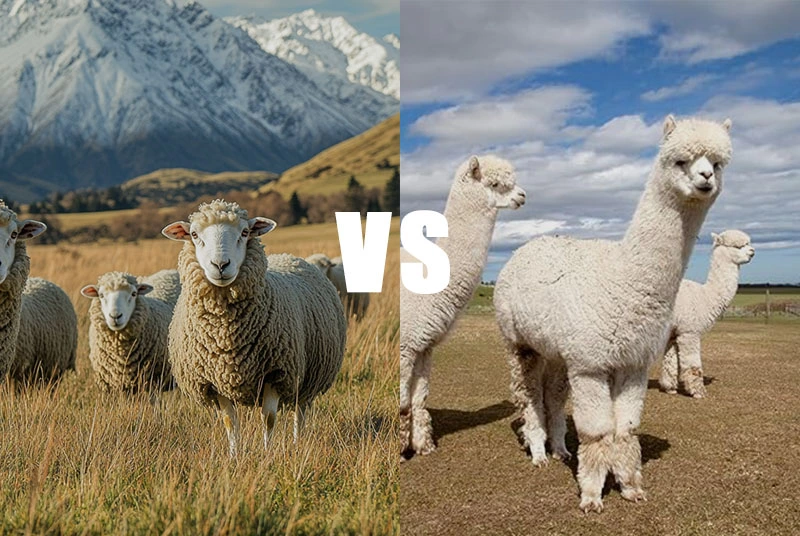
Merino Wool vs Alpaca: Best Choice for Custom Socks
Which material shall I use to customize my socks - alpaca wool or merino? Which one suits my brand? Are these the questions always in your mind before making a socks retail plan? Merino wool and alpaca wool are natural fibers that offer luxury and high performance. They are both fantastic and popular, but they cater to slightly different needs and concepts. Today, let's talk about the differences between them to help you create custom socks for your brand. What's the Difference Between Merino Wool and Alpaca Wool? Firstly, let's understand the fundamental differences between these two types of fibers - alpaca wool vs merino wool Origin and Fiber Characteristics Merino wool: Merino sheep are originated in Spain, however, it is now primarily raised in Australia, New Zealand, and South Africa. What distinguishes Merino wool is the fine diameter of its fibers (usually less than 23.5 microns), which translates directly into extraordinary softness. The fibers spaces at surface with small overlapping scales, which results in natural elasticity and ability to absorb and quickly evaporate moisture. Alpaca wool: Alpaca wool is sourced from alpacas in the South American Andes Mountains, like those from Chile and Peru. Structure is the biggest difference between alpaca wool vs merino wool. Alpaca wool is hollow in the middle. This hollow lies-shaped tube feature makes alpaca wool even lighter than merino wool, and also allowing it to trap more air, resulting in extraordinary insulation capabilities. The thickness of alpaca wool fibers is comparable to that of merino wool fibers, however there are more types of alpaca wool (e.g. baby alpaca is not the same as regular alpaca wool). Texture and Touch Merino wool: It is extremely soft, hence it is often referred to as "skin-friendly". The high-quality Merino wool that has undergone advanced processing by the yarn factory is almost not itchy at all and has become the preferred choice for close-fitting clothing, including socks. Alpaca wool: The texture is typically fine and soft with a creamy richness to the fibers. It is free of lanolin (natural oil associated with merino wool), making it feel exceptionally smooth and is generally a good option for anyone with allergies to wool. Natural Properties Merino wool: It can take in 30% of its weight in moisture without feeling wet, and sweat can also be evaporated from the skin. Alpaca wool: Excellent at temperature regulation. The hollow fibers provides outstanding insulation in cold conditions and maintain coolness in hot weather. It also has good moisture absorption properties, which are comparable to or slightly superior to those of merino wool. Which Material Works Better for Socks? Socks are a product that needs to balance comfort, functionality, and durability. If you're evaluating different fibers beyond just merino and alpaca, it’s helpful to refer to a complete guide to sock materials to understand how each option performs across various use cases. Softness & Skin Comfort The two are equally Merino wool is a verified and reliable soft material. Customers trust its skin-friendly comfort. This is a safe and much-loved option for brands seeking mass market appeal. Alpaca wool has a unique feel and softness often compared to cashmere. The slippery feeling is a big differentiator. For brands that target at a high-end positioning and want to provide a unique tactile sensorial experience, this is a strong selling point. Moisture Control & Breathability Winner: Merino wool ( by a narrow margin ) The structure of Merino wool fibers has been tailored to allow the skin moisture to be absorbed efficiently and transported on the surface of the fibers to the outside. It also works extremely well in high-exertion activities, like hiking or running, keeping feet dry and blister-free. Alpaca is known for its superior moisture absorbency and it has great sweat-wicking abilities. Because of its hollow shape, it allows the air flow. The active moisture transport is very similar to merino wool, however merino wool is slightly better at removing active moisture, particularly during strenuous activity. Temperature Regulation Winner: Alpaca wool The alpaca wool fibers are hollow and offer the best heat insulation. It allows you to retain more heat in cold weather while it also allows you to breathe more in hot weather without getting too hot. For socks that focus on maximum climate control (winter mountaineering socks or all-season socks), alpaca wool is the superior option. Merino wool has excellent temperature-regulating capabilities and can respond to temperature changes. However, when of the same weight, its insulating performance is not as good as that of alpaca wool. Durability, Elasticity & Brand Positioning Socks lifespan and appearance retention are critical to consumer satisfaction and brand reputation. Fiber Strength & Shape Retention Winner: Alpaca wool Alpaca wool is more durable than merino wool. That means socks in alpaca wool are more resistant to tears, less probable to pill and longer lasting. While merino has a good natural stretch, the fibers are quite thin, and they wear out. High-quality, tightly woven merino wool is very durable, but in general it’s not as strong as alpaca wool. Product Lifespan & Care Winner: Alpaca wool Alpaca socks are more durable and are more resistant to pilling because of the higher alpaca fiber content. And it lacks lanolin, which makes it less likely to get dirty and easier to clean. Taking care of merino wool is a bit more sensitive. In order to avoid shrinking or felting, we usually advise casual machine washing or hand washing with cold water. Although hard-wearing, over time it may wear out sooner than socks in alpaca wool. Cost & Market Positioning Winner: Merino wool (Lower cost) The Merino wool supply chain is more developed and the supply larger, so it’s a more cost effective option. This allows the brand to price its products more competitively and still deliver a quality experience. Alpaca wool production is quite modest (the world alpaca population is tiny in comparison to merino sheep), and its processing is more niche, making prices higher. So it naturally sits in the luxury and high end space. Simply the use of wool from the alpaca says exclusivity, sustainable and performance. How to Choose the Right Wool for Your Custom Sock Line Ultimately, the choice depends on your brand strategy and target customers. Consider Your Brand Identity Merino wool: if your brand focuses
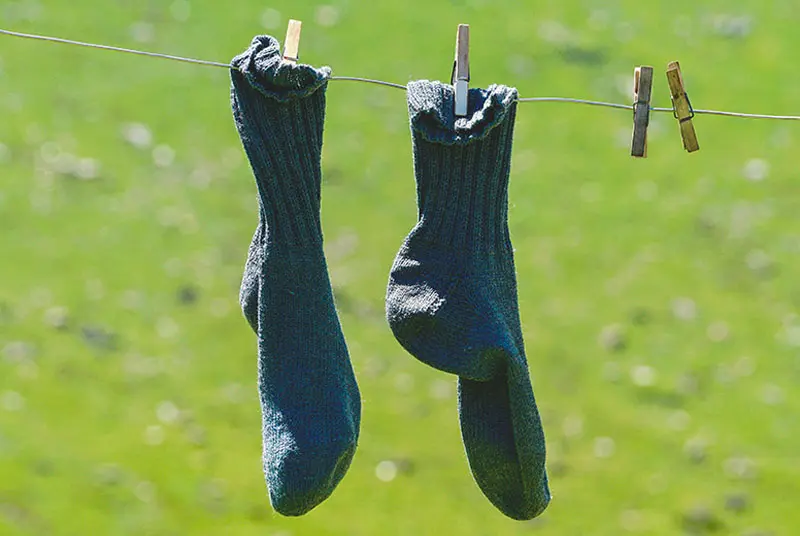
Crew Socks vs Ankle Socks: Which Style Fits Your Brand Best?
Crew Socks VS Ankle Socks: What’s the Difference? Strut into any sock drawer or clothing store, and you’re confronted with a choice that looks straightforward but is actually laden with nuance: ankle socks or crew socks? Though they both perform the basic function of shielding your feet, they are miles apart in style, function, and feel. Selecting the right sock isn’t simply a matter of determining what color to buy; it involves pairing your sock choice with your footwear and activity, your clothing, and even your individual comfort philosophy. Now, we’re going to figure out — inch-by-inch — the great debate sock to rule them all. The most obvious and defining difference is, of course, the length. Crew Socks: This sock is a regular length sock that comes up to about the middle of your calf falls 6 to 8 inches above your ankle bone. They give you plenty of coverage—sometimes they can feel like a warm hug for your lower leg. Ankle Socks: These are named for the fact that they really do sit on or just above your ankle bone. They are low-profile and are usually hidden inside the shoe instead of you seeing them. A few ultra-low-cut styles -- aka “no-show” or “loafer” socks -- go even lower so that they stay completely out of sight. But the difference is much more than a few inches of cloth. This height difference leads to all the other differences between them. The Function & Performance Arena Crew Socks: Versatile Work and Play Style Cushioning & Support: Crew socks tend to provide more space for cushioning in the heel, toe, and foot area. This makes them excellent for high-impact workouts such as running, basketball, or hiking, where additional shock absorption never hurts. Warm Reception: There is just something about the extra material that keeps you warm in colder weather and shields your calves from scratches, sun or bugs on a nature hike. Scratch, sun or bugs protection: The additional fabric shields your calves from scratches, sun or bugs in nature. Moisture Wicking: Both styles can be moisture-wicking, but due to its larger surface area, a crew can sometimes help you breathe better and manage sweat better during strenuous activities. Ankle Socks: The Lightweight Performer Breathability & Mobility With less fabric, ankle socks are naturally more air-permeable and less sticky to the skin. They are ideal for warm climates, easy gym visits, or general use when you want your legs to be as free as they can be. Minimalist Feel - Many people like the "nothing there" sensation of an ankle sock as it does not pinch the calf. Some are better designed with heel grips to prevent them from slipping down so much during certain activities. Shoe-Specific Design: They’re made to fit low-cut shoes so they won’t bunch up or peek over the shoe collar in an unseemly manner. The Pros and Cons at a Glance Crew Socks: Pros: More cushioning and warmth, nicer to wear in boots, make great style statements, classic athletic support. Cons: May be too warm for summer, can feel restrictive, not all shoe types are compatible (e.g. loafers). Ankle Socks: Discreet, breathable, lightweight, great for a minimalist style, best for low top shoes. Pros: Discreet, breathable, lightweight, great for a minimalist look, best for low top shoes. Cons: Less padding, No protection for your calf, Can slip off, No-show models are not to be worn unless they are designed well. Which Style Works Better for Different Markets? Your target market is probably the most important aspect of this decision. Sports and Fitness Brands For brands in the sports and performance space, the choice is heavily influenced by the specific activity. Ankle Socks : Running, cycling, tennis, and HIIT. The ankle-friendly design also minimizes bulk and eliminates friction against the shoe. They have performance features including targeted cushioning in the heel and ball of the foot, arch support and moisture-wicking technical fabrics that are as important for athletes as they are for anyone with high foot demands. Crew Socks: The classic uniform sports of baseball, football,hunting and rugby. They are popular among weightlifting /cross-training types too, as the additional coverage can protect the shins in exercises such as dead-lifts, or just provide a bit more warmth. The goal is heavy-duty cushion, and to wicks sweat superior. Verdict: Ankle socks are likely to be the best seller for most fitness fashion labels these days and for good reason. That being said, adding a performance crew sock to your lineup will enable you to speak to a small, but dedicated part of your consumer base. Outdoor and Workwear Brands Toughness, security, and heat were uncompromising in this industry. Crew Socks are the Undisputed Champion: Whether it’s hiking, construction, or really any hard outdoor work, you need the crew sock. It forms an essential layer of defense from boot wear, ticks, brush, and cold weather. Outdoor and workwear crews are generally constructed from sturdy materials such as merino wool or thick cotton blends and the heels and toes are reinforced for extra longevity. Ankle Socks have a Hard Time Finding a Place: You’d be hard pressed to spot an ankle sock with any serious hiker or construction worker. They’re just not protective enough. They are used in this market only for casual, fair outdoor activities or as a lightweight liner, but they are not the center piece. Verdict: If you are a brand that sells outdoor or workwear socks, your hero sock must be a high quality crew. Ankle socks are a distant thought at best.— and the… only.” Lifestyle and Fashion Labels This is where the decision becomes most nuanced and brand-dependent. Crew Socks as a Statement Accessory: For streetwear, vintage, and preppy labels, crew socks is almost an accessory. They're deliberately put on display, emblazoned with bold logos and eye-catching patterns, or featuring retro designs. They lend themselves to a "pop" of color or can be used to extend a fashion story from the apparel collection. Imagine a stylish fashionista wearing crew socks and loafers or a streetwear lover rocking them with chunky sneakers. Ankle Socks for a Minimalist Aesthetic: Much to the minimalist and high-fashion brand's delight, the ankle sock wins out. This clean, continuous line from the pants to the shoe lets
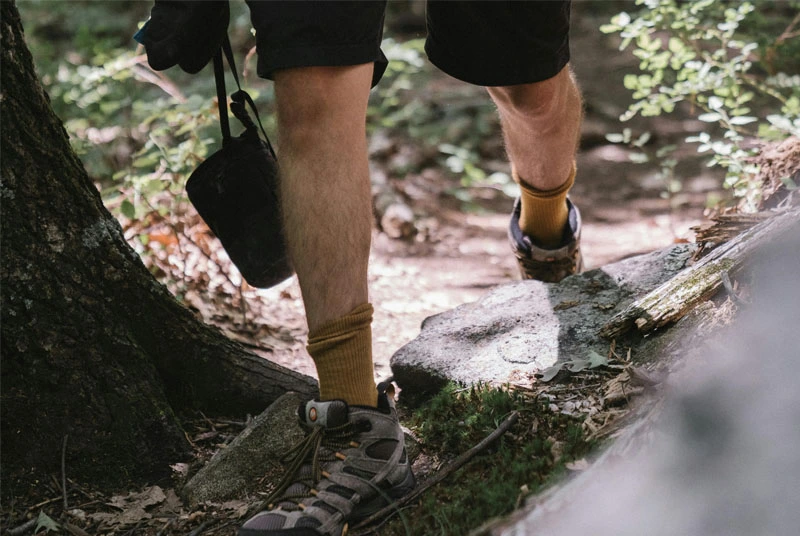
What Are the Best Socks for Sweaty Feet: 2026 Guide
Sweaty feet are more common than you think—and the wrong socks can make it worse. If your feet often feel damp, smelly, or uncomfortable, the problem isn’t you—it’s your socks. In most cases, choosing moisture-wicking socks for sweaty feet is one of the most effective ways to keep your feet dry and comfortable throughout the day. In this guide, we’ll break down the best socks for sweaty feet, including the materials, features, and styles that actually keep your feet dry all day. Best Socks for Sweaty Feet (Quick Answer) If you want a quick summary: Best overall material: Merino wool—offers moisture-wicking, temperature regulation, and natural antibacterial and odor-resistant properties. Best value/top choice for sports: Coolmax or polyester-blend socks—quick-drying and durable. Eco-Friendly Choice: Bamboo fiber—soft, breathable, and naturally antibacterial. Least Recommended: 100% cotton—absorbs moisture like a sponge, dries extremely slowly, and only makes your feet wetter. For most people, a blend of merino wool, a small amount of nylon, and spandex offers the best balance of comfort, durability, and moisture management. What Causes Sweaty Feet in Socks? Feet naturally have a high concentration of sweat glands. When you put on socks and shoes, airflow is reduced. If you also choose socks made of unsuitable materials—such as plain cotton or synthetic fabrics with poor breathability—moisture becomes trapped inside the socks, causing the temperature to rise. The end result is that sweat cannot evaporate, leading to increasingly damp conditions and unpleasant odors. Different sock materials yield completely different results. Cotton socks absorb moisture but don’t wick it away; bamboo fiber socks are breathable but have average moisture-wicking properties; wool-blend socks both absorb and wick away moisture, making them an excellent choice. In short, the key lies in whether the socks can effectively draw sweat away from the skin’s surface. Best Sock Materials for Sweaty Feet Choosing the right fabric solves 90% of the problem. Below is a comparison of how several mainstream materials perform in terms of moisture control. Merino Wool Socks for Sweaty Feet Don’t assume that wool means “hot” or “warm”—merino wool is actually the gold standard for sweaty feet. Merino fibers are hydrophilic on the inside (absorbing moisture) and hydrophobic on the outside (repelling liquid water), allowing them to wick sweat away from the skin’s surface before it turns into liquid. Additionally, wool fibers naturally contain lanolin, which has antibacterial properties, so they don’t easily develop odors even after wearing them for several days. They are ideal for environments with fluctuating temperatures or situations requiring prolonged wear. Merino wool is widely considered one of the best choices for moisture control. If you're wondering 【are wool socks good for sweaty feet】 or how they compare to other materials, this performance comes from its unique fiber structure. Bamboo Socks for Sweaty Feet Bamboo fiber socks have become increasingly popular in recent years due to their eco-friendly nature. The cross-section of bamboo fibers features natural micro-pores, providing excellent breathability and moisture absorption, along with natural antibacterial properties. Their durability is slightly lower than that of wool or synthetic fibers, particularly when wet, as their abrasion resistance decreases. Therefore, bamboo fiber socks are typically blended with nylon to enhance durability. Cotton Socks for Sweaty Feet (Are They a Bad Choice?) For people with sweaty feet, pure cotton socks are indeed not a good choice. Cotton is hydrophilic, meaning it absorbs and traps moisture. Once soaked, they dry very slowly. Wet cotton socks increase friction, making your feet prone to slipping, and are highly susceptible to bacterial infections and blisters. The trend in 2026 is to use high-quality, finely combed cotton blends, but these are limited to low-intensity daily commuting. For sports or long work hours, avoid 100% cotton socks. Synthetic Socks (Coolmax, Polyester) Synthetic socks are well-suited for athletic activities. For example, Coolmax—a polyester fiber with a special cross-sectional structure—wicks moisture faster than natural fibers, making it a common choice for runners and sports enthusiasts. Polyester or cotton-polyester blends are durable, elastic, and quick-drying. Synthetic socks are highly durable, affordable, and quick-drying. Best Socks for Different Activities The type of socks you wear depends on what you’re doing. Socks designed for standing 12-hour shifts certainly aren’t suitable for running a 5K. Best Running Socks for Sweaty Feet Look for thin styles with arch support that fit snugly without slipping to reduce the risk of blisters. High-end running socks in 2026 typically feature large mesh panels on the top of the foot. For style and design inspiration, check out the Balega Hidden Comfort or Feetures Elite. Key Points: Thin fabric, breathable mesh, snug fit without slipping to reduce the risk of blisters. Material: Coolmax or merino wool + nylon blend. Reason: Running generates a lot of heat, requiring rapid evaporation. Prioritize styles labeled “ultra-light” or “invisible” with mesh panels. Recommendation: Running socks that distinguish between left and right feet better conform to the foot’s shape and reduce friction. For a full breakdown of performance features and material choices, check our guide to best socks for sweaty feet running. Best Work Socks for Sweaty Feet Key Points: Medium thickness, arch support, and durability—ideal for prolonged standing. Material: Merino wool blend. Reason: If you wear leather shoes to the office, breathability is essential; for jobs requiring constant movement—such as in food service, retail, or construction—you need socks that provide cushioning without causing overheating. Merino wool’s advantage is that it resists odor even with prolonged wear. Best Boot Socks for Sweaty Feet Key Features: Mid-to-high cut, varying cushioning thickness across different zones, reinforced heels and toes. Material: High-density merino wool or wool/synthetic blend. Common misconception: Many people believe that wearing boots requires thick socks. However, for sweaty feet, the placement of cushioning is more important than thickness. We recommend choosing socks that are thicker only in high-impact areas like the heel and forefoot, while being thinner on the instep and ankle. This provides cushioning while allowing for better heat dissipation. Unless you’re in extremely cold conditions, avoid “winter-weight” styles. How to Stop Sweaty & Smelly Feet Even the best
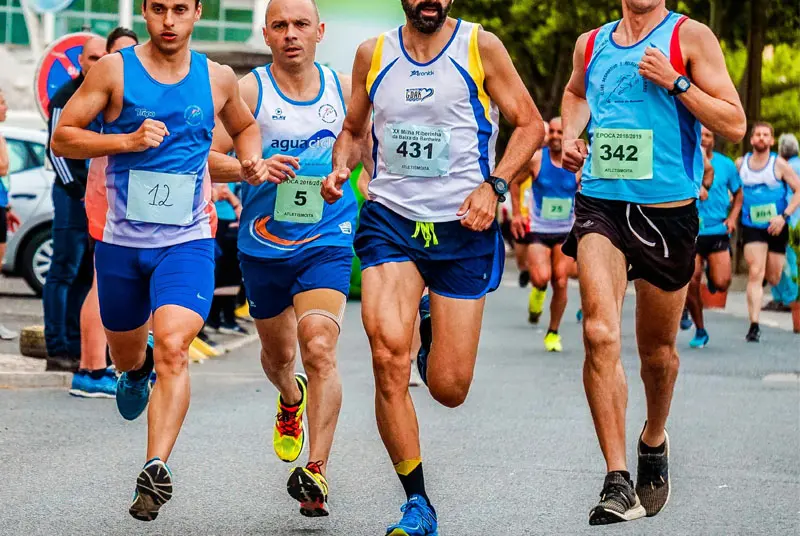
Bulk Running Socks: How Retailers Source Athletic Socks?
Whether it's the morning jogging on the riverbank and the sidewalk, or the evening running on the playground or gym, you can see energetic runners everywhere. They are building their healthy and spiritual world with their vigorous and steady strides. And their running socks are just as diverse as their running steps. Some wear classic white and black brand sports socks like Adidas, some wear colorful fashionable knee-length compression socks, and some wear novel wool socks, etc. Running socks have increasingly become a major business opportunity for retailers. Why Bulk Running Socks Are in High Demand Growth of Sports and Fitness Markets After the pandemic, people of all the ages have payed more attention to their health and wellness. The quantity of people that engage in a particular sport has exploded. Running, as one of the sports with the lowest entry barriers, has attracted a large number of participants. Rising Demand for Performance Gear Among the participants in the sports activities, there are many middle-class and young consumers who are willing to invest in professional equipment. They not only want to run, but also want to avoid getting injured. They have developed a preventive awareness regarding sports injuries and have high requirements for socks in all aspects. On the other hand, high-performance fashion socks have also become fashion accessories that complement shoes. Retail Opportunities in Athletic Wear Running socks are consumable products that need to be replaced at a higher frequency than running shoes. An active runner can burn through a couple of dozen pairs of socks in a year. Because of the fatigue caused by extended activity and the erosion of sweat marks, running socks have a shorter service life than running shoes. That provides retailers with a steady customer base and continuous cash flow. Running socks, on the other hand, are the ideal complementary product. When selling running shoes, you can also suggest a pair of running socks that matches. It helps boost sales turnover and it's a good promotional product. Because of the consumers wide variety of needs, the running socks can be divided further.By running intensity, there are everyday training socks, marathon socks and competition socks; According to their purposes, applicable of some types are protection socks, support socks, breathable and moisture management socks, compression socks, etc; By usage scenario, there are seasonal socks, trendy collaboration models, various theme models and so forth. Key Criteria for High Quality Wool Socks Breathability and Moisture-Wicking Breathability and moisture-wicking are very important for running. This is primarily because of the following: Blisters resistant: On wet feet, the coefficient of friction between wet skin, socks, and shoe walls is greatly enhanced, and this is the main cause of blisters. Comfort and performance: Keep feet Dry for better grip and stability on your insoles, helping to prevent your feet from slipping in the shoes. Temperature regulation: The feet producesa great deal of heat when running. The breathability and the moisture-wicking can effectively cool down the feet and stop overheating. Odor resistant and health: A humid environment is a breeding ground for fungi and bacteria. Keeping dry helps maintain foot health. The first thing to consider when achieving moisture - wicking and breathability is the material of the socks. Coolmax increases the surface area through a synthetic special non-circular cross-sectional structure. It quickly removes sweat through capillary action and evaporates it. This is one of the most commonly used materials for running socks. Merino Wool fibers are natural fibers. Wool fibers have a naturally irregular cross-section, which increases the surface area and has a sweat draining effect. Wool fibers/lambswool can suck up more than 30 % of its own weight in moisture without feeling wet. Nylon has less moisture-wicking ability compared to the above materials, but it is better than cotton in terms of moisture t-wicking. Moreover, nylon is extremely durable. The next consideration for achieving breathability and moisture-wicking is the design of the sock's structure. Left and right foot divided sock caps. To provide a design that fits the foot shape more closely for both left and right feet, reducing the accumulation of excess fabric and reducing the feeling of heat. Mesh knitting. In non-critical stress areas such as the heel and ankle of the socks, a large area of breathable mesh is used, which is like opening windows on the socks, greatly promoting air circulation. Seamless toe. The traditional seam at the sock cap is thick and prone to friction. The seamless technology eliminates this friction point and hotspot, improving comfort and breathability. Cushioning and Support Cushion refers to a padding on the socks, where the part is felt to be thicker, softer and more elastic than the non-cushion part. In running socks, the cushion is often located on the sole, heel, and toes, which are the areas that bear the main impact and friction. Here is a picture showing the cushion in different parts. Option 1 has no cushion, Option 2 has cushion on the sole, toes and heel, which is the most common choice for running socks. And option 3 has cushion throughout the entire sock. The main functions of the cushion are as follows: Energy absorption and dissipation: When the foot lands, the dense cell structure compresses and deforms, dissipating and absorbing the ground reaction force. It can alleviate the impact on the plantar fascia, joints and bones, and prevent fatigue and malaise induced by long-distance running. Pressure distribution: When a flat fabric is subjected to stress, the pressure is applied to a few points. The thick cushion enhances the contact between the sock and the foot sole, and makes the pressure on the sole more evenly distributed. It eliminates the concentrated pressure, and it is one of the important factors to prevent blisters and black nails. Better fit and stability: Most Comfortable Cushion material is Elastic and Impact Resistant. It allows the sock to fit tightly around the foot, and in so doing the foot inside the sock, and the sock inside the shoe, all have less motion. It gives the foot a "held" place, giving you more confidence in your ankle, especially when making sharp turns and speed changes. Filling and protection: In areas with protruding